
California Auto Fraud Attorney
When the problem is not the car breaking down, but what you were told before you signed.
Short answer
What Counts as Auto Fraud in California
Auto fraud turns on what you were told before the sale rather than whether the car later breaks down. The usual examples are an undisclosed accident history, a branded title presented as clean, an odometer that does not match the service records, and financing unwound weeks after you drove the car home. These are separate claims from a lemon law claim and can be brought alongside one.
Think Your Car Might Be a Lemon?
Find out in 60 seconds. Free case review, no upfront cost, and you only pay if we win.
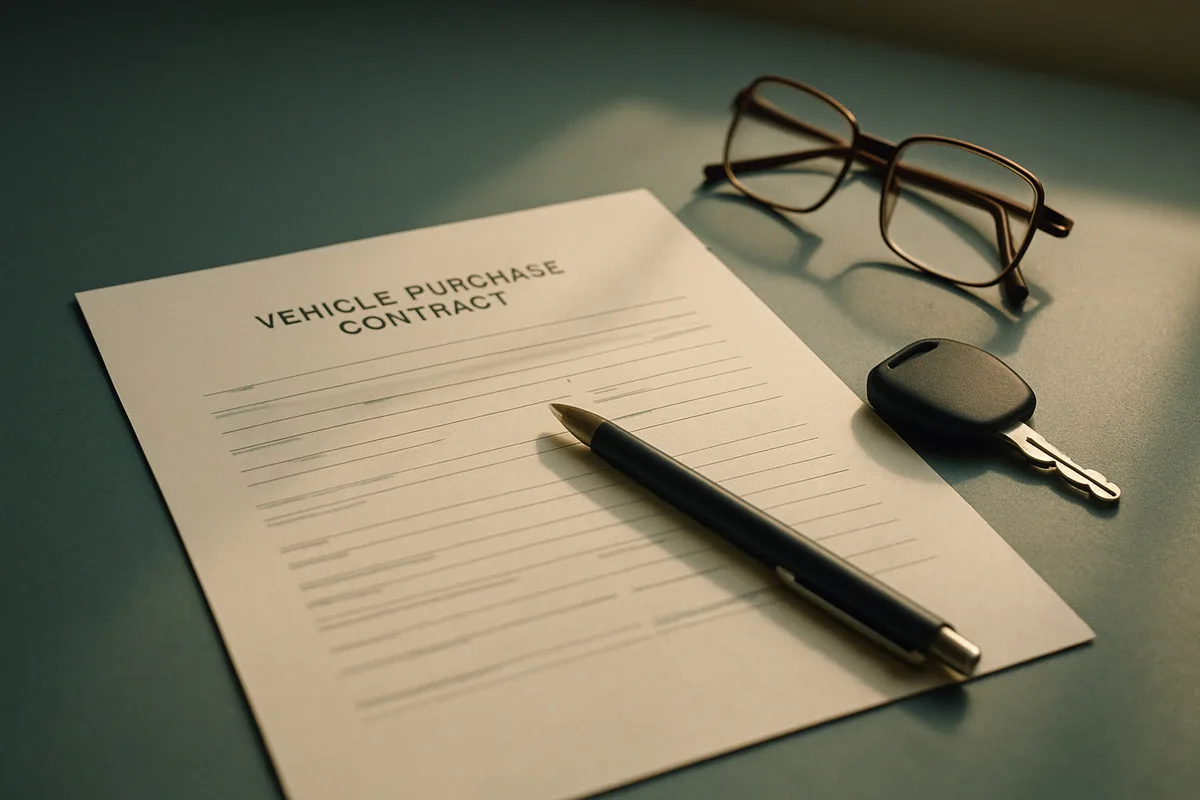
Most people who call us about a dealership do not begin by saying they were defrauded. They say something felt wrong.
The car had been in an accident nobody mentioned. The title came back branded. The odometer did not match the service history. The finance manager rang three weeks later to say the loan had not gone through after all. Each of those is a different problem in law, and none of them is a lemon law problem, which is a large part of why they so often go unaddressed.
California gives vehicle buyers a separate set of protections that apply to the sale itself rather than to the machine. They cover what a seller told you, what a seller stayed quiet about, and what the law required to be disclosed whether or not you thought to ask. This page explains how those protections work, what the paperwork usually reveals, what a claim can ask for, and how long you have to bring one.
Auto Fraud and Lemon Law Are Not the Same Claim
They are frequently confused, and the difference decides who you are making a claim against.
| Lemon law claim | Auto fraud claim | |
|---|---|---|
| The question asked | Could the manufacturer repair the defect within a reasonable number of attempts? | Was the sale itself honest about what the vehicle was? |
| Who it runs against | The manufacturer, under the warranty | The seller, and sometimes the lender or the salesperson |
| What proves it | Repair orders, warranty history, days out of service | The contract, the disclosures, the advertisement, the title history |
| When it applies | The car is defective and the warranty covers it | Something material was misstated or concealed at sale |
| Typical remedy | Repurchase or replacement of the vehicle | Rescission of the sale, or damages for the difference in value |
A car can qualify as a lemon with nobody having lied to you. A dealer can misrepresent a car that never gives you a day of trouble. When both happen at once the two claims proceed in parallel, against different parties, proved with different evidence.
That distinction is also why a lemon law consultation sometimes ends with a fraud claim instead, or with both. It is worth having the sale documents read even when the presenting problem sounds mechanical, and that applies just as much to a used car bought from a dealer as to a new one.
What Auto Fraud Usually Looks Like
These are the patterns that recur in California vehicle sales. Most cases involve one or two of them rather than a dramatic scheme.
Undisclosed accident damage
The car was repaired after a collision and sold without that history ever coming up. It usually surfaces later, in a history report that was never shown, in paint depth that changes from panel to panel, in bolt heads that have been turned, or in a body-shop invoice the previous owner forgot in the glovebox. The damage itself is rarely the point. The point is that it was known and not said.
A branded or salvage title
A permanent designation on the title from flood, theft recovery, major structural damage or a manufacturer repurchase. The brand travels with the car for the rest of its life and changes what it is worth, whether it can be financed and how it can be insured. That is exactly why California treats it as something a buyer must be told.
A prior buyback sold as ordinary
A vehicle the manufacturer bought back under lemon law, repaired, and put back into the market. California requires that history to be disclosed and the car identified for what it is. These vehicles are legal to sell; selling one quietly is the problem. It helps to know what a lemon law buyback actually is before deciding whether one was concealed from you.
Odometer and mileage discrepancies
Mileage that does not reconcile with the service history, with earlier title entries, or with the physical wear on the pedals and seat. Outright rollback is rarer than it once was, but replaced instrument clusters and inaccurate mileage statements still appear, and federal and state law both take the disclosure seriously.
Undisclosed prior use
A former rental, fleet vehicle, driving-school car, demo or dealer loaner presented as an ordinary privately owned used car. Prior use affects value directly, and it tells you something about how the car spent its first years that no inspection will show you.
Spot delivery and changed financing
You sign, you drive away, and weeks later the dealership calls to say the lender declined and the terms have to change. California regulates conditional delivery closely, including what has to appear on the face of the contract and what happens to your trade-in and your deposit if the deal unwinds. Many of these calls are lawful. Many are not.
Packed payments and unagreed add-ons
Service contracts, gap coverage, paint or fabric protection and alarm systems that appear in the numbers without having been agreed, or that were presented as mandatory when they were optional. The tell is usually a monthly payment that matches what you discussed while the amount financed does not.
Certified pre-owned that was not certified
A car sold under a manufacturer certified program without the multi-point inspection that program requires, or with conditions the inspection was supposed to catch and disclose. Buyers pay a premium for certification precisely because it is meant to mean something.
The California Laws That Apply
Four bodies of law do the work. Most cases rely on more than one, because the same conduct often breaches several at once.
Consumer Legal Remedies Act
Lists the practices banned in consumer transactions, including claiming a vehicle has characteristics it does not, or presenting something used or reconditioned as new. It is the statute most of these claims are built on, and it lets a prevailing consumer recover attorney fees. That fee provision is why an ordinary buyer can bring a case at all.
Song-Beverly Consumer Warranty Act
California's lemon law, which also governs consumer warranties more broadly. It limits what a seller can do with an as-is sale when a written warranty or service contract is part of the deal, a point that surprises buyers who were told the as-is box settled everything.
Civil Code section 1793.23
The buyback rule. A vehicle the manufacturer repurchased has to be identified as such when it is resold. Where the law compels a disclosure, the omission is the violation, and nobody has to prove an intent to deceive.
Vehicle Code section 11713.18
Sets what a dealer must do before selling a vehicle as certified pre-owned, including the inspection behind the certification. Buyers pay a premium for that badge precisely because it is meant to mean something.
Alongside those sit the older claims of common law fraud and negligent misrepresentation: a false statement of material fact, made knowingly or without reasonable grounds for believing it true, which you relied on to your detriment. Concealment counts where there was a duty to speak.
Who Can Be Held Responsible
Identifying every party early is what decides how much coverage is available later.

The selling dealership is the usual defendant, because the representations, the advertising and the statutory disclosures are all its responsibility. That holds whether the misstatement came from the salesperson on the lot or from the finance office at the end.
The individual salesperson or finance manager can be named where the conduct was theirs personally rather than a matter of company policy or oversight.
The lender or assignee matters more often than buyers expect. Consumer credit contracts commonly carry a notice preserving the buyer's claims and defenses against whoever holds the paper, which means the finance company can find itself answering for the seller's conduct.
The manufacturer comes into it where a certified pre-owned program was invoked, where a required buyback disclosure was not made, or where the warranty claim runs in parallel with the fraud claim. Manufacturer conduct also drives recalls and class actions, which occasionally overlap with an individual sale.
Prior owners and wholesale auctions occasionally enter the picture, though far less often. The practical point is that these cases are rarely one defendant, and the answer to what a claim is worth frequently depends on how many parties are properly in it.
What a Claim Can Ask For (Illustrative)
Remedies depend on which claims apply and what the evidence supports. Broadly they take three shapes.
Unwind the sale
The transaction is rescinded. The vehicle goes back and you recover what you put into it, which can include the down payment, the payments made and the incidental costs of the purchase.
Keep the car, recover the difference
You stay in the vehicle and recover the gap between what you paid and what it was actually worth given the history you were not told about. Often the practical choice when the car works and you need it. Where a repurchase is on the table instead, the buyback calculator shows how that figure is built.
Fees and, rarely, punitive damages
The Consumer Legal Remedies Act allows a prevailing consumer to recover attorney fees. Punitive damages exist for genuine fraud but are not routine, and no honest assessment treats them as expected.
What any individual matter is worth depends on its own facts: which claims are available, what the documents show, how many parties are liable and what the vehicle is genuinely worth in its true condition. Anyone who quotes you a number before reading the contract is guessing.
How These Cases Usually Proceed
Most resolve without a trial. The sequence is fairly consistent.
The documents are read
The contract, the addenda, the advertisement and the title history are compared against what you were told. This is where most cases are either made or set aside, and it happens before anything is filed.
The missing records are obtained
What you do not have can usually be pulled from the dealer, the lender, the manufacturer or the state. A gap in your own file is not the end of a case.
Notice and demand
The Consumer Legal Remedies Act requires notice before certain damages can be sought, which gives the seller an opportunity to correct the problem. A number of matters end at this stage. The California Attorney General also takes consumer complaints, which some buyers file alongside a claim.
Filing and discovery
If the demand does not resolve it, the claim is filed and the internal records come out: the reconditioning file, the auction paperwork, the wholesale history and the internal notes on the vehicle.
Resolution
Most cases settle once the documents are on the table, because by then both sides can see what the file shows. Those that do not go to trial or, where the contract requires it, to arbitration.
What to Gather Before You Call
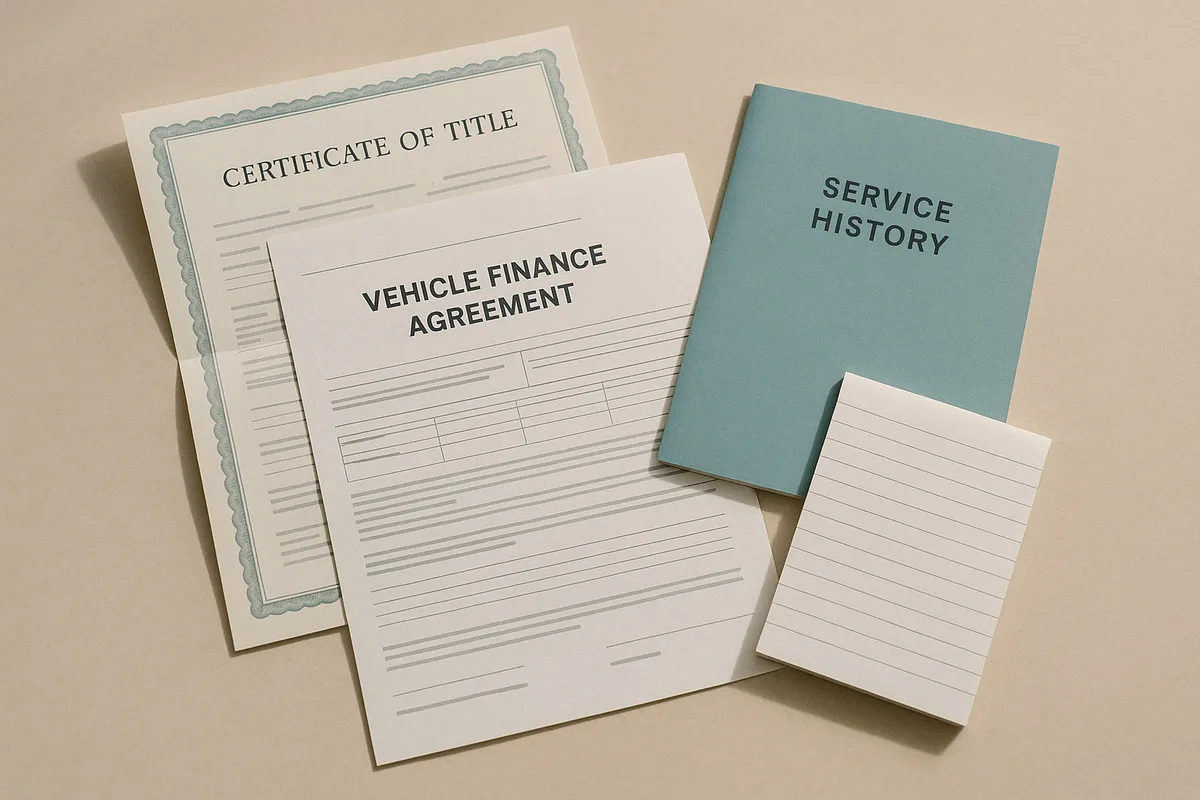
These cases are decided in the document stack rather than in anyone's memory of the conversation. What matters most:
- The purchase contract and every addendum, including anything signed after you drove away
- The window sticker, the Buyers Guide that federal law requires on used vehicles, and the advertisement or listing
- Title documents and registration, which the California DMV can confirm, plus any history report you were shown or later ran
- Financing documents, plus any second version if the terms changed after delivery
- Service and repair records from before and after the sale
- Text messages and emails with the salesperson, which is where the representations usually survive in writing
- Photographs of the vehicle, particularly of anything that prompted the doubt in the first place
If you no longer have all of it, that is ordinary and not fatal. Much of it can be obtained from the dealer, the lender, the manufacturer or the state once a claim is underway.
Deadlines
The Consumer Legal Remedies Act generally allows three years from the violation. Common law fraud generally allows three years from the point the fraud was discovered, or reasonably should have been discovered. Warranty claims run on their own schedule, which is one more reason the two kinds of claim are worth separating early.
Those are general periods rather than a statement about any particular case, because which one applies depends on the claim being made and when the facts came to light. The practical consideration is simpler than the legal one. Records become harder to obtain over time, dealership staff move on, the vehicle itself changes hands or condition, and memories of what was said on the lot fade in a way that documents do not. Early is better than late.
Questions People Ask
What counts as auto fraud in California?
It comes down to what the seller knew and did not tell you, or told you wrongly, about something that would have changed your decision. Prior accident damage, a branded or salvage title, a manufacturer buyback, mileage that does not add up, or a car presented as new that had already served as a rental or a demo. The test is not whether the car later broke down. It is whether the sale rested on something untrue.
How is this different from a lemon law claim?
Lemon law asks whether the manufacturer could repair a defect under warranty. Fraud asks whether the sale was honest. A car can qualify as a lemon with nobody having lied to you, and a dealer can misrepresent a car that never gives you a day of mechanical trouble. When both are true the claims run alongside each other against different parties, the manufacturer on the warranty and the dealer on the sale.
The contract says the car was sold as is. Does that end it?
No. An as-is clause allocates the risk of defects nobody made promises about. It does not license a false statement and it does not excuse hiding something the law requires to be disclosed. Concealing a known material fact has long been treated differently from ordinary buyer beware.
I signed everything at the dealership. Does that hurt my case?
Signing is normal. Almost every buyer signs, often quickly, often at the end of a long afternoon. What matters is what the documents actually say measured against what you were told, and whether the disclosures the law requires appear anywhere in the stack at all. In practice the paperwork is more often where these cases are proved than where they are lost.
The dealer called weeks later and said my financing fell through. Is that legal?
That situation has a name, spot delivery, and California regulates it closely. You left with the car before financing was final and the dealership now wants different terms or the car back. Whether it was handled lawfully turns on what the contract said, whether it was conditional on its face, and what happens to your trade-in and deposit. Have the paperwork read before agreeing to anything.
Who can actually be held responsible?
Usually the selling dealership, since the representations and the disclosures are its responsibility. Depending on the facts it can extend to the salesperson or finance manager personally, to a lender that took assignment of the contract, and in some circumstances to a manufacturer whose certified program was invoked. Identifying every party early matters, because it decides how much coverage exists.
What can a fraud claim actually recover?
Depending on the claim, that can mean unwinding the deal and recovering what you put into it, or keeping the car and recovering the difference between what you paid and what it was really worth. The Consumer Legal Remedies Act also allows a prevailing consumer to recover attorney fees, which is what makes these cases realistic to bring at all.
How long do I have?
It depends which claim applies. The Consumer Legal Remedies Act generally runs three years from the violation, and common law fraud generally runs three years from discovery. Those are general periods rather than a statement about any particular case. The practical answer is that the evidence gets harder to obtain the longer you wait.
What does it cost to have my paperwork reviewed?
Nothing. The case review is free and these matters are handled on contingency, so there is no attorney fee unless we recover for you.
How is auto fraud different from a lemon law claim?
A lemon law claim concerns a defect the manufacturer's warranty covers and generally runs against the manufacturer. An auto fraud claim concerns what the dealer told you, or failed to tell you, before the sale, and runs against the dealer. Both can be brought together.
Have Your Paperwork Read
If something about the sale does not add up, the quickest way to find out is to have the contract and the disclosures reviewed by someone who reads them for a living. You can see who would be reading it before you call. The review is free and there is no fee unless we recover for you.