

Short answer
The right car in California depends on your budget, how far you commute and how much space you need, so no single model suits everyone. Whatever you choose, the legal protection is identical: any vehicle sold with a manufacturer's warranty falls under the Song-Beverly Act if a substantial defect cannot be repaired in a reasonable number of attempts.
Choosing the perfect vehicle depends on your budget, driving habits, and whether you need more space for family, pets, or all your stuff. If you need maximum practicality, a minivan makes plenty of sense. At the same time, a fuel-efficient hybrid, EV, or even a Volkswagen SUV may be a better fit depending on your lifestyle. Of course, a cute compact car can be ideal for city driving, while a truck or crossover is worth the extra bit of capability for outdoor adventures. With the right research, a few smart ideas, and a little luck, you can find a vehicle that's ready for everything California has to offer.
The Lemon Pros has helped hundreds of California consumers pursue relief under the state's Lemon Law. Past results do not guarantee a similar outcome. Our firm's attorneys handle claims involving defective cars, trucks, SUVs, motorcycles, and electric vehicles, seeking buybacks, replacements, and cash settlements from manufacturers. The team is dedicated to helping consumers enforce their rights at no upfront cost. If you're driving a defective vehicle, contact us for a free case evaluation.
Let's look more closely at what makes for an ideal car in California and start to narrow down your options between the bestselling cars.
What Makes a Perfect Car for California?
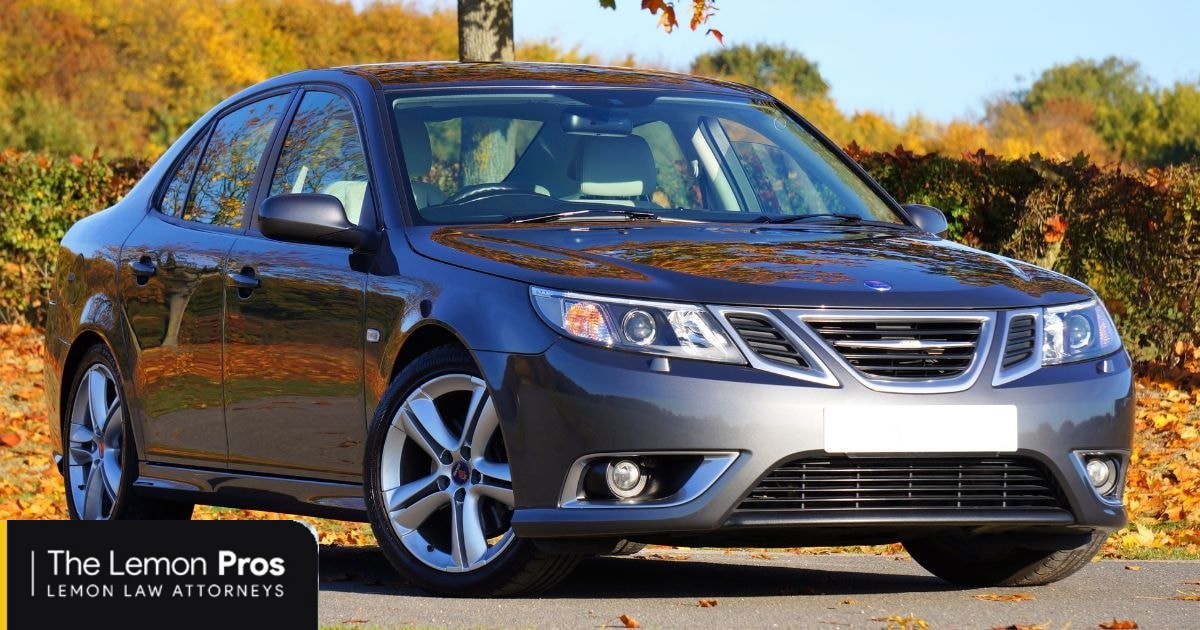
When considering the perfect car for California, size and maneuverability are often among the top concerns. After all, you may want to drive a 2-seater convertible, but if you have four children, this model probably isn't right for you. Beyond interior space, you also need to think about where you are driving, especially if you need to park on tight city streets.
Reliability is another top factor. Between heat waves, coastal salt, and the snowy mountains, you don't want to face an unexpected repair bill or be broken down on the side of the road. You need a car that's going to go the distance with you.
Once you've nailed down reliability, the next question is what kind of impact you want your car to have. If you care deeply about the environment and want a car that reflects your values, you may choose something equipped with an electric engine. California's Clean Air Act sets strict guidelines on the types of vehicles allowed on the road, with a heavy focus on emissions.
Fuel economy is another critical consideration. No one wants a car that chugs regular unleaded gasoline (or electricity). Picking a fuel-efficient car can save you a lot of money in the long run, and the upfront costs are a sharp contrast to the long-term maintenance costs. Lastly, consider the features. We all love high-tech features for comfort, entertainment, and safety. However, your budget will ultimately determine which features you can afford.
Top Car Types Suited for California
While every situation is different, the best new car is often included in one of these categories.
- Compact car, making it easy to drive and park in the city
- Electric vehicle or hybrid, offering federal and state tax incentives, with a minimal carbon footprint
- SUV or crossover for family and outdoor activities
- Sports car or convertible to enjoy the beautiful weather in California
- Pickup truck, especially when four-wheel drive is needed for off-roading
- Luxury car for impressing clients and friends
To determine what works best for you, it's helpful to make a list of your needs and wants when shopping around.
The Most Versatile Vehicle Choice for California Drivers
For many California drivers, a hybrid crossover is often the most versatile vehicle choice. It combines the fuel savings of a hybrid powertrain with the cargo space, seating position, and flexibility of an SUV. A hybrid crossover works well for nearly every California lifestyle. It can handle daily commuting through busy city streets, weekend beach trips, family road trips, and occasional mountain travel without forcing drivers to compromise between efficiency and practicality.
Models such as the Toyota RAV4 Hybrid and Honda CR-V Hybrid demonstrate why this category continues to grow. They offer strong fuel economy, available all-wheel drive, generous cargo space, and lower ownership costs compared with many traditional SUVs. For buyers who need one vehicle capable of handling California's diverse environment, a hybrid crossover often provides the best balance of efficiency, capability, and long-term value.
The California Car Choice Framework: Match Your Vehicle to Your Driving Environment
California has a wide range of driving conditions that affect vehicle choice. A commuter traveling between Los Angeles and Orange County needs a different vehicle than someone navigating snowy mountain roads near Lake Tahoe, coastal highways, or rural desert trails. When evaluating the best cars for California, we recommend considering five factors:
- Daily commute: Drivers covering long distances should prioritize fuel economy, comfort, and advanced driver-assistance features.
- Climate and terrain: Coastal residents may value efficiency and corrosion resistance, while mountain drivers should prioritize traction and capability.
- Lifestyle needs: Families, outdoor enthusiasts, and pet owners often benefit from SUVs and crossovers with flexible cargo space.
- Ownership costs: Insurance, maintenance, depreciation, and charging or fuel expenses can impact the true cost of ownership.
- Reliability history: A vehicle that performs well in California's demanding conditions should have strong reliability ratings and a proven repair record.
Using this framework helps buyers avoid choosing a vehicle based only on appearance or popularity and instead select a car that fits how they actually drive.
Which Hybrid and Electric Cars Are Best for California?
Hybrids and electric vehicles suit California for reasons beyond fuel economy. State emissions rules favor cleaner drivetrains, and buyers can tap incentives that lower the real cost of ownership. Qualifying electric vehicles may earn federal and state tax credits, and many hybrids and EVs unlock HOV-lane access with a Clean Air Vehicle decal, which turns a crowded commute into a faster one. Kelley Blue Book and recent reviews rank these models near the top for value and reliability.
The Toyota Prius remains the benchmark for urban fuel economy. Current models earn up to about 57 mpg combined, so city drivers spend far less per gallon than they would in a gas sedan. The Toyota RAV4 Hybrid pairs strong fuel economy with all-wheel drive, landing around 39 to 40 mpg combined, which makes it a first choice for families who want space and traction. The Honda Civic Hybrid delivers about 49 mpg combined and undercuts many rivals on price, so it earns its reputation for value.
The Tesla Model 3 remains one of California's most recognized electric vehicles because of its efficiency, charging network access, and technology features. The Tesla Model 3 offers an EV range of 261 miles, making it practical for many daily commuters while reducing reliance on gasoline. Its compact size also makes it easier to navigate urban areas while maintaining the benefits of electric ownership.
You can compare listings and pricing on Kelley Blue Book and Cars.com before you visit a dealer. Fuel savings add up fast. A driver covering 15,000 miles a year in a 50-mpg hybrid buys a fraction of the gas a 25-mpg sedan needs. Over five years, that gap can pay for a good set of tires many times over.
What Are the Best Rugged SUVs and Off-Road Cars for California Terrain?
In our experience, California terrain rewards a capable vehicle. Snowy mountain roads, desert trails, and rural routes call for ground clearance, real four-wheel drive, and towing muscle. A handful of vehicles stand out for that kind of work. The Jeep Wrangler is the classic trail rig, built for rock crawling and removable-top weekends. The Ford Bronco returns the same off-road spirit with modern comfort and strong four-wheel-drive hardware.
The Toyota 4Runner brings a reputation for durability and easy parts availability, which keeps long-term repair costs down. The Toyota Land Cruiser sits at the premium end, built for punishing terrain and long ownership. For drivers who want light off-road ability with everyday comfort, the Subaru Outback is a smart match.
It comes standard with all-wheel drive, offers 8.7 inches of ground clearance, and holds up to 75.6 cubic feet of cargo with the seats folded, which suits families and road trips alike. Its base engine returns around 29 mpg combined, good economy for a rugged wagon. Research towing ratings and drivetrain specs on Kelley Blue Book and cars.com before you commit, since numbers vary by trim.
Versatile SUVs and compact crossovers are best for California's diverse environment because they combine everyday comfort with the flexibility needed for changing terrain. Drivers can move from city commuting to weekend adventures without sacrificing fuel economy, cargo space, or safety. For California buyers who want one vehicle that can handle the widest range of conditions, compact hybrid crossovers often provide the strongest overall balance.
How Do You Use Kelley Blue Book Value to Choose the Best Cars for California?
Kelley Blue Book, often shortened to KBB, is a trusted source for what a car is worth. It publishes pricing data for new and used vehicles based on real transactions, condition, mileage, and region. Reading that value well protects your wallet. For a new car, KBB shows the fair purchase price, which tells you whether a dealer's quote is reasonable. For a used car, the Blue Book value reflects mileage, trim, and condition, so you can spot a listing priced above the market.
California listings vary by region, since demand and supply differ between San Diego, the Bay Area, and the Central Valley. Compare the same model across Kelley Blue Book and cars.com to see the real average price in your area. Check the KBB value before you buy, before you trade in, and before you accept any offer. A few minutes of research can save thousands and keep you from overpaying on an otherwise good vehicle.
What Are the Best Cars for California Commuting and Long-Distance Driving?
Long commutes and road trips reward comfort, fuel economy, and proven reliability. The best comfortable car for long-distance driving keeps you relaxed over hundreds of miles, while the best affordable cars for long-distance driving keep fuel costs low without sacrificing quality. The models below balance all three.
The Honda Accord Hybrid is a roomy, quiet sedan that returns about 44 to 48 mpg combined, which makes it a strong highway companion. The Toyota Camry is now hybrid-only and rated around 47 to 51 mpg combined, a large jump over older gas versions, so it delivers both comfort and low fuel costs on long drives.
The Toyota Prius stays the efficiency leader for commuters who prioritize the pump. The Honda CR-V Hybrid adds cargo space and roughly 37 to 40 mpg combined for drivers who need more room. The table below compares five reliable choices, with current figures for the trim ranges most buyers consider.
| Model | Fuel Economy / Range | Typical Price Range | Key Feature(s) |
|---|---|---|---|
| Toyota Prius | Up to about 57 mpg combined | $29,000 to $36,000 | Best-in-class hybrid fuel economy for daily commuting |
| Toyota Camry Hybrid | About 47 to 51 mpg combined | $29,000 to $36,000 | Comfortable hybrid sedan ideal for long-distance driving |
| Honda Accord Hybrid | About 44 to 48 mpg combined | $34,000 to $40,000 | Spacious interior with a quiet, refined highway ride |
| Honda CR-V Hybrid | About 37 to 40 mpg combined | $35,000 to $41,000 | Excellent cargo space combined with strong fuel efficiency |
| Tesla Model 3 | About 300 to 360 miles of EPA-estimated range | $42,000 to $54,000 | Long electric driving range with California HOV-lane eligibility (where applicable) |
Which Cars Give California Families the Best Value for Money in 2026?
Value means more than a low sticker price. It means fuel economy, reliability, resale strength, and reasonable running costs over years of ownership. Toyota and Honda have long earned family trust for reliability, and a few newer entries now compete hard on price.
The Kia K4 starts around $22,000 and pairs a low entry price with a long powertrain warranty, which makes it a genuine value pick for first-time buyers. The Honda Civic holds resale value and reliability across both gas and hybrid versions, so it stays a smart long-term buy.
The Hyundai Elantra Hybrid returns up to about 54 mpg combined and starts near $27,000, which keeps running costs low for commuters. Kia has drawn value recognition in recent Kelley Blue Book award coverage, including a 2026 Best Buy nod for its EV9, so the brand is worth a look for buyers who want warranty coverage and low ownership costs. The table below sums up three value picks for 2026.
| Model | Approximate Starting Price | Combined MPG / EV Range | Why It's a Great Value |
|---|---|---|---|
| Kia K4 | Starts around $22,000 | About 33 to 39 mpg highway (gas) | Affordable entry price with an industry-leading powertrain warranty |
| Honda Civic | Starts around $25,000 | About 36 mpg combined (gas); up to about 49 mpg combined (hybrid) | Outstanding reliability, excellent fuel economy, and strong resale value |
| Hyundai Elantra Hybrid | Starts around $27,000 | Up to about 54 mpg combined | Exceptional fuel efficiency and low long-term ownership costs |
What Should Budget-Conscious City Drivers Know Before Buying?
City driving in California carries costs that never show up on the window sticker. A budget of around $30,000 buys a well-equipped urban car, but the smart buyer looks past the price to the full cost of ownership. In our experience, insurance is the first surprise. Premiums vary widely by California ZIP code, so the same car can cost far more to insure in Los Angeles than in a smaller inland town. Get a quote for your exact address before you buy.
Depreciation is the second cost, and it hits used-car math hardest, since a vehicle that loses value quickly costs more over time than its purchase price suggests. Reliable brands like Toyota and Honda tend to hold value, which softens that blow. Catalytic converter theft is a real California risk, and some vehicles are targeted more than others, which raises repair and insurance costs. Ask about parts availability and theft rates for any model you consider.
For tight city streets, a compact hatchback or sedan makes parking easier and sips fuel. The Honda Civic, Toyota Corolla, and Ford Escape all fit crowded neighborhoods while keeping good mpg. Few vehicles combine easy parking, low fuel costs, and dependable service records as well as a compact from a reliable brand. Match the car to the way you actually drive, not to the one that looks best in the showroom.
What Are the Most Efficient Cars in CA?
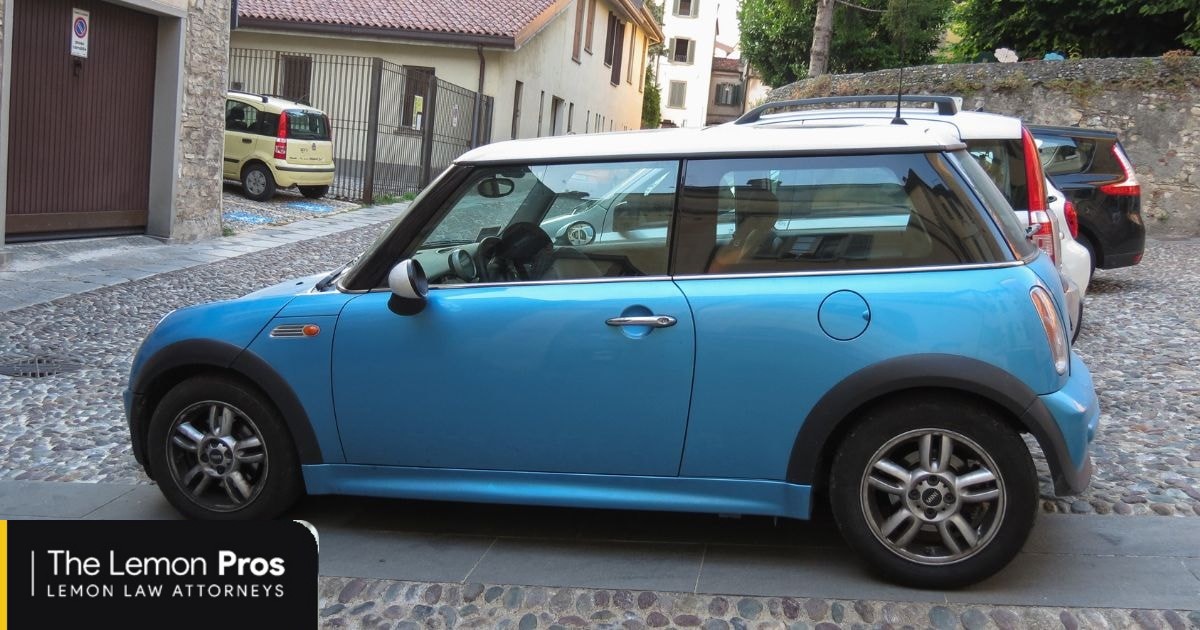
We evaluate some popular car models by category, helping you find what you need. Our options are ranked based on what your current needs may be.
Fuel-Efficient Cars for California Drivers
If the vehicle's energy consumption is essential to what you drive, it's best to evaluate the ratings from the Environmental Protection Agency. You can easily see the combined fuel economy of any model. Here are some of the top-selling vehicles with a good rating for the car's combined miles.
- Toyota Prius - An original hybrid that keeps gas costs low (up to 57 combined mpg) and offers plenty of features.
- Honda Insight - Not only efficient for long commutes, but it is also a bunch of fun to drive.
- Hyundai Ioniq - With excellent fuel economy and modern tech, this electric SUV is the perfect match for anyone desiring an enjoyable ride.
- Tesla Model 3 - This car has a superior EV range, a smooth ride, and is great for earning zero-emissions incentives.
- Kia Niro - With its compact design, it's efficient and versatile enough for a variety of adventures.
Budget-Friendly Cars for California
Even in California, you don't have to break the bank to get a reliable car. Affordable models can still offer excellent value, low maintenance, and good fuel efficiency. First-time buyers should look for well-maintained vehicles and consider the total cost of ownership, including car insurance costs, taxes, and repairs.
- Toyota Corolla - Mentioned earlier, this budget-friendly car is reliable, fuel-efficient, and inexpensive to maintain.
- Honda Civic - Another popular choice among commuters, the Civic is known for being long-lasting and easy to insure.
- Hyundai Elantra - Whether you buy an Elantra new or used, it tends to be affordable, equipped with modern features, and typically has good warranty coverage.
- Kia Soul - This budget-friendly SUV is spacious, low-cost, has cheap insurance, and is quirky enough to stand out in traffic.
- Mazda3 - With superior style, the Mazda3 is a lot of fun to drive, and it offers great value for the price with a low base MSRP.
How Much Should You Expect to Pay for a Car in California?

The gap between new and used cars is more than $20,000, on average. However, the price range reflects differently, depending on the type of model you've chosen. Additionally, average vehicle prices vary widely depending on your location. For example, someone living in Los Angeles or San Diego is going to pay more for the same car than someone in a rural or suburban location.
According to AAA's 2025 Your Driving Costs study, the average new vehicle costs approximately $11,577 per year to own and operate, or about $965 per month. AAA calculates ownership costs using factors such as depreciation, financing, fuel, insurance, maintenance, repairs, tires, and registration expenses over a five-year ownership period with 15,000 miles driven annually.
You must also consider the average cost for the auto loan interest rates, taxes, fees, registration costs, and insurance, all of which are added to the price. Thankfully, buyers of eco-friendly and fuel-efficient cars may qualify for additional incentives, further helping with the cost.
With the new car, you may pay more, but you must consider the warranty protection you get. On top of that, there are strong Lemon Laws that cover you in case of major defects. Sadly, you won't get the same used car Lemon Laws in most cases, so it may be worth spending more for something brand-new.
When a Popular Vehicle Becomes a California Lemon
At The Lemon Pros, we have seen how even popular and highly rated vehicles can become a major source of frustration for California drivers. For example, a client we worked with purchased a new SUV expecting dependable transportation, only to experience repeated transmission issues, electrical failures, warning lights, and other defects that continue despite multiple repair attempts.
In our experience, the details matter. Keeping every repair invoice, dealership communication, and service record can help establish the vehicle's repair history and show whether the manufacturer has been given a reasonable opportunity to correct the problem. Our team helps California consumers understand their rights under the Song-Beverly Consumer Warranty Act and evaluate whether their vehicle may qualify for a buyback, replacement, or cash settlement.
A vehicle's reputation, sales numbers, or brand name does not prevent it from being a lemon. What matters is whether the manufacturer can successfully repair a substantial defect covered by warranty. This is why The Lemon Pros encourages drivers to research reliability before purchasing while also knowing what steps to take if their vehicle repeatedly returns to the repair shop.
Which Cars Should California Buyers Be Cautious About Due to Known Defects or Issues?
When shopping for a new or used car in California, you must be aware of models that have known defects or frequent safety recalls. Purchasing one of these vehicles could lead to unexpected repair bills and safety hazards. Here are a few models that have been known to be lemons in the past (cars with significant defects affecting their use, safety, or value).
- 2023-2025 Ford F-150 - A safety recall was issued for defects in the rear axle hub bolts that can weaken and break, leading to a loss of power or unintended movement of the full-sized trucks when parked.
- 2023-2025 Kia Seltos - A recall was issued for faulty piston rings that cause premature engine damage and fires.
- 2022-2024 Tesla Cybertruck - A software error causes trouble with the large instrument panel (one of the key features), leading to distracted driving.
- 2024 Hyundai Santa Fe - A defect with the dual-clutch automatic transmission has led to delayed shifting and erratic acceleration.
If you find yourself with any of the signs of a lemon car, you may be entitled to a replacement or refund under California's Lemon Law. It's best to speak with a Lemon Law attorney about your case and your rights.
How to Spot Potentially Defective Cars Before Buying

To prevent potential issues, you need to know how to avoid buying a lemon car. A little preparation and research can go a long way. Start by researching the reliability of the car model. You can check with Consumer Reports or Kelley Blue Book. Kelley Blue Book is also a free site that allows you to research the average transaction prices.
Next, you want to have a third-party inspection of the vehicle by a trusted mechanic. The technician looks beyond the features and style to ensure the vehicle is mechanically safe. You should also look for the vehicle on the NHTSA website to check for recalls. Simply enter the Vehicle Identification Number (VIN) to see if there are any glaring issues.
Finally, remember to perform a vehicle history check through CARFAX or AutoCheck if you are buying a used car. Through the Bureau of Automotive Repair, you can run an inspection check as well. Before signing any paperwork, know exactly what you are getting into. Ask for a complete breakdown of the cost, including the new vehicle registrations and fees, taxes, and interest rates. When looking at the bigger picture of consumer affordability, it's important to understand every fee that's involved.
How Does California Lemon Law Shape Your Best Car Choices?
Even the best cars for California can arrive with a defect, and California law gives buyers real protection when that happens. The Song-Beverly Consumer Warranty Act, the state's Lemon Law, covers vehicles with a substantial defect the manufacturer cannot fix after a reasonable number of repair attempts. When that standard is met, the remedy can be a repair, a replacement, or a refund. In our experience, Lemon-law awareness helps you shop smarter.
"A practical approach is to prioritize proven reliability, strong resale value, and a drivetrain that matches local driving conditions. A fuel-efficient vehicle may be ideal for daily commuting, while a capable SUV with all-wheel drive may better serve drivers regularly traveling through mountain regions," says Michael Saeedian.
Check a vehicle's recall and repair history before you buy, and research whether a model has a pattern of defects. A used car with a clean service record is a safer bet than a bargain with a history of unresolved problems. If you already own a car that keeps returning to the shop for the same issue, you may have a lemon on your hands. The Lemon Pros helps California drivers pursue buyback, replacement, or refund remedies under the Song-Beverly Act.
In our experience helping California drivers, the earlier you keep records of repair visits, the stronger your position. You can learn how to file a Lemon Law claim in California, understand the California Lemon Law buyback formula, and review the average Lemon Law settlement in California to know what to expect. If you suspect your vehicle is a lemon, request a free case review. Past results do not guarantee future outcomes.
Need a Lemon Lawyer?
Unlike a simple list of bestselling vehicles, this guide evaluates cars based on California's unique combination of conditions: urban traffic, long commutes, environmental regulations, coastal climates, mountain travel, and ownership costs. The goal is to help drivers choose vehicles that fit their daily reality while also understanding what protections are available if a vehicle develops serious defects.
For great advice, you want an experienced attorney on your side, such as the Lemon Pros. Our team of Lemon Law attorneys in California focuses exclusively on California Lemon Law cases and has helped drivers pursue claims, total loss disputes, and manufacturer buybacks. Contact us today for a free case evaluation to discuss your options at no cost.
Frequently Asked Questions
Here, you can find answers to the most common questions regarding the best cars for California drivers:
What Color Car Is Least Stolen?
Studies of theft data show that less common colors, such as green, purple, and bright hues, tend to be stolen the least. The most-stolen cars tend to wear the most common colors on the road, like white, black, silver, and gray, since they blend in and are easier to resell.
How Does the California Lemon Law Protect Car Buyers?
The Song-Beverly Consumer Warranty Act requires a manufacturer to repair, replace, or refund a vehicle with a covered defect it cannot fix after a reasonable number of attempts. The Lemon Pros helps California drivers pursue those remedies, and the law shifts attorney fees to the manufacturer, so there is no fee unless we recover for you.
Which Cars Hold the Value Best in California?
There's an increased desire for cars that hold their value well. According to the NADA, Jeep Wranglers tend to depreciate the least. The Porsche 911, Toyota Tacoma, Honda Civic, Subaru BRZ, and Ford Mustang also make the list.
How Do California's Emissions Laws Affect Car Ownership?
California's strict emissions laws mean your car must meet tougher smog standards than in most states. Certain older or high-polluting vehicles may be harder to register or sell. These rules encourage cleaner cars but can increase repair and compliance costs.
What Is the Most Reliable Car Brand in California?
The J.D. Power Vehicle Dependability Study puts Lexus on top, followed by Buick, Mazda, and Toyota. The luxury brand vehicles are known for being reliable and driving many miles before any major problems occur.
What Is the Most Sold Car in California?
In 2024, there were nearly 129,000 Tesla Model Y vehicles sold in California, following the record highs of the previous year. These EV sales were almost double the next bestselling vehicle, the Toyota RAV4, which only sold about 65,000 units in California.
What Are Some Common Car Defects to Watch For?
Common car defects may include bad transmissions, electrical issues, and a worn engine. Some cars may have recurring issues, such as peeling paint, brake fade, oil leaks, or malfunctioning airbags. Check for recalls and run a vehicle history report before buying any used car.
How Can I Check if a Car Has Recalls or Known Problems?
Enter the VIN on the NHTSA website to look for any active recalls. You should also run a vehicle history check to look for issues with the title or lemon concerns. Finally, read online owner forums to discover any known issues about the particular model year and brand.
What Should I Do if My New Car Keeps Breaking Down?
Even the most popular vehicles can turn out to be lemons. If your vehicle continues breaking down while covered under a warranty, you may be able to file a lemon claim. Contact a Lemon Law lawyer for a free consultation.
Legal disclaimer: This article is educational information, not legal advice. Reading it does not create an attorney-client relationship. Laws change, and every case turns on its own facts. Consult a qualified California-licensed attorney before acting on anything described here. Past results do not guarantee future outcomes.
Does Buying a Popular or Highly Rated Model Change My Lemon Law Rights?
No. Coverage follows the warranty, not the badge. Any vehicle sold with a manufacturer's warranty falls under the Song-Beverly Act, whether it is a small commuter car or a full-size truck. A well-regarded model can still develop a substantial defect, and the same repair-attempt test applies either way.

Michael Saeedian, Esq.
Founding PartnerMichael Saeedian, Esq. is a California Lemon Law attorney and a founding attorney of The Lemon Pros; he develops tailored strategies to pursue the full compensation you're owed.
View Attorney Profile →