
How to Avoid Buying a Lemon?

Before you start shopping for a vehicle, you want to know how to avoid buying a lemon, so you don’t get stuck with a bad used car. Having an independent inspection, checking the vehicle history report, and doing your research are all essential to avoiding lemon car purchases.
The Lemon Pros fight for the rights of consumers stuck with defective vehicles. As an expert in car lemon law, our attorneys provide valuable insight into the claims process. If you’ve been dealing with a lemon car, contact us today for a free consultation.
In this guide, we discuss valuable tips for spotting a lemon car. We also talk about the importance of a pre purchase inspection and show you what to do if you’ve already bought a lemon.
Table Of Contents
- What Does "Buying a Lemon" Mean?
- What Are the Red Flags When Buying a Used Car and How to Avoid Buying a Lemon?
- How Can One Avoid Lemons?
- What Are the Benefits of a Pre Purchase Inspection?
- What If You've Already Bought a Lemon?
- Beware of Lemon Pitfalls - Act Now!
- FAQs
- What Are the Signs of a Lemon Car and How to Avoid Buying a Lemon?
- How Can I Check a Car’s History for Damage and Odometer Fraud?
- Should I Buy a Certified Pre-Owned or New Car to Avoid a Lemon?
- Can I Get a Reliable Vehicle From a Private Seller?
- What Are the Most Common Car Problems Used Vehicles Have?
- Should I Buy a Used Car With a Salvage Title?
What Does "Buying a Lemon" Mean?
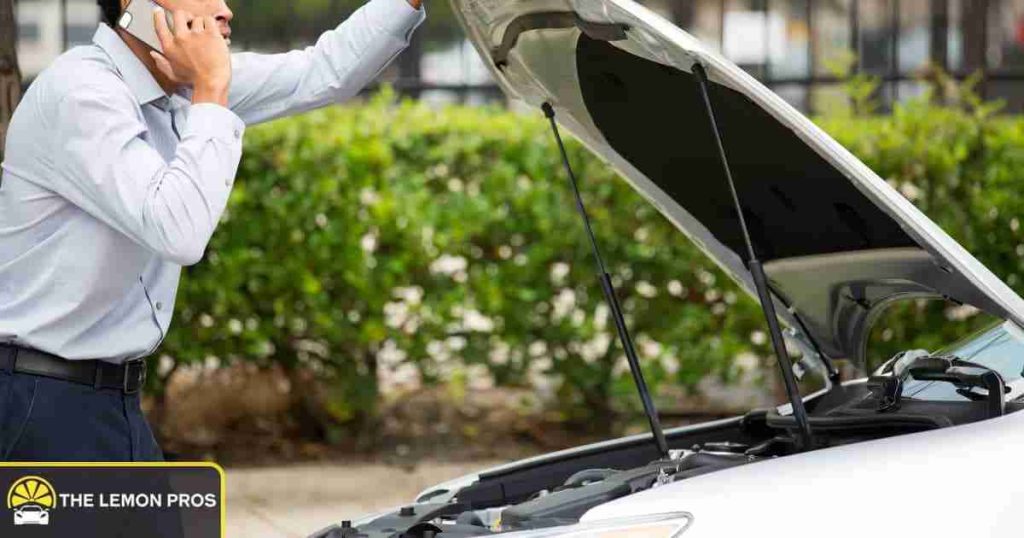
“Buying a lemon” refers to purchasing a vehicle that turns out to be defective. The term is most commonly associated with cars, but it can apply to any expensive item, such as RVs, motorcycles, appliances, or electronics.
The phrase has been in use since the early 1900s, when “lemon” was slang for something disappointing or inferior. Over time, it became a widely recognized description for products that simply don’t work the way they should.
When it comes to used cars, there are no federal laws protecting buyers. The only federal law, the Magnuson Moss Warranty Act, is designed for new car buyers. However, some states have lemon laws that cover a variety of used vehicles. In California, the Song Beverly Consumer Warranty Act does offer some provisions for pre-owned models.
What Are the Red Flags When Buying a Used Car and How to Avoid Buying a Lemon?
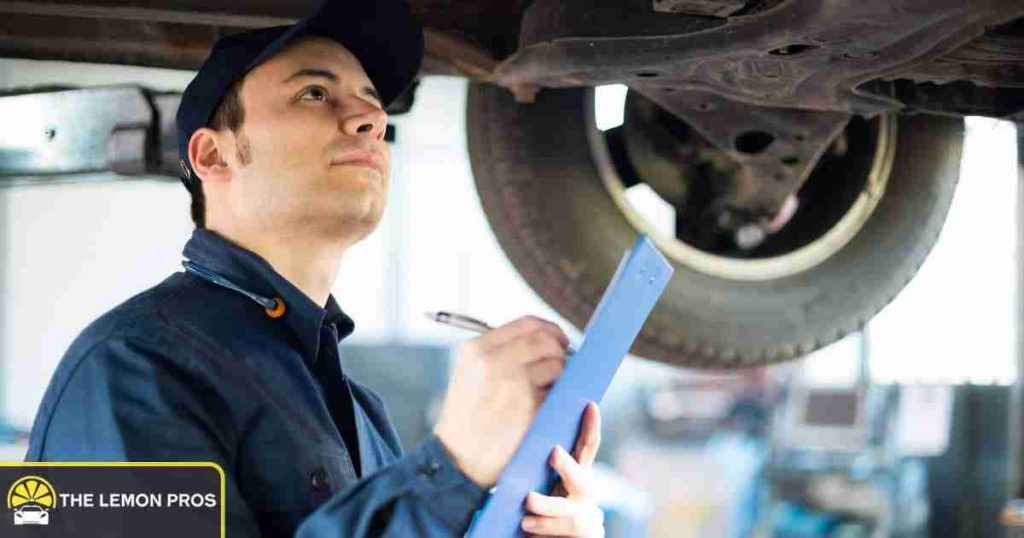
When shopping for a used car, common warning signs suggest the vehicle may be a lemon. By catching them early, you can avoid a costly mistake.
One of the biggest red flags is unexplained noises during the test drive. Knocking, grinding, or squealing sounds can signal trouble with the engine, suspension, or transmission. If you hear anything unusual, it’s a good reason to slow down the deal and request a professional vehicle inspection before moving forward.
You should also pay close attention to how often the car has been in the shop. Frequent repairs may mean the vehicle has ongoing mechanical issues the seller hasn’t resolved. Reviewing the car’s maintenance records can help you spot patterns and determine whether past repairs were routine or signs of deeper problems.
Another major warning sign is a poor vehicle history report. Issues like accidents, title problems, odometer discrepancies, or gaps in service history often indicate hidden damage that could lead to expensive repairs later on. A seller who discourages you from checking the vehicle’s history or who refuses to provide repair documentation is waving a bright red flag.
Finally, take note of whether the car comes with any type of warranty. While many used cars are sold “as-is,” a seller willing to offer even a short warranty often shows greater confidence in the vehicle’s condition. The absence of any warranty doesn’t automatically mean the car is bad, but when combined with other concerns, it can reinforce that you should move on.
How Can One Avoid Lemons?
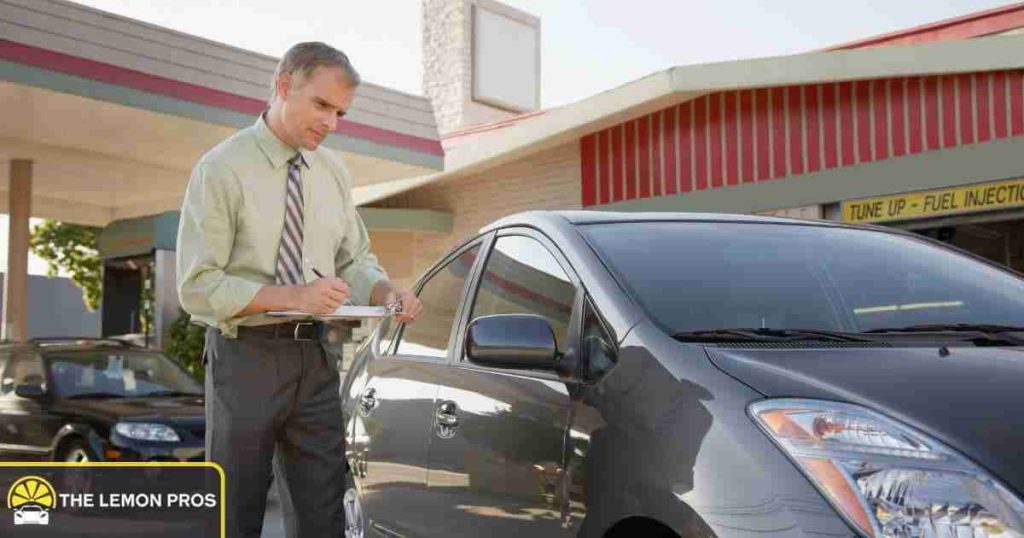
If you want to find a reliable vehicle that’s free of any hidden issues, there are some steps you can take. Even though these steps will add time to the car shopping process, they will prevent you from headaches in the future.
Steps to Take Before Purchase
Follow these valuable steps if you want to know how to prevent buying a lemon car. We recommend taking your time and doing all the research necessary to choose the best option.
Buy from a reputable dealership. It is tempting to save money and buy from a private seller, but that doesn’t give you any protection. Instead, consider buying from a dealership in your area that offers a warranty. For your best protection, you want to look at a certified pre owned that still has the factory warranty.
Research cars before shopping. Some cars are known lemons and they should be avoided. Read consumer reports and check the reliability record before settling on a particular model. By doing a little vehicle research, you can avoid any known lemon brands.
Understand the warranty. A trusted dealership is going to put all of the warranty conditions on the window sticker of the car. If you don’t understand the warranty terms, it’s best to discuss them with the car dealers before purchasing.
Take a test drive. During the test drive, look for any clear warning signs that something is wrong. You are looking for excessive wear, listening for strange noises, and watching for any indication of hidden damage.
Get a vehicle inspection. A qualified mechanic is going to be able to find any issues far better than you can. Pay the extra money to have the mechanical components and electrical system inspected.
Check the vehicle history report. Check the car’s history through a reputable site, such as CARFAX. You are looking for a decent maintenance history and an indication of a branded title. If the car was a lemon law buyback or incurred flood damage, these issues should be noted on the report and you should steer clear of the purchase.
What Are the Benefits of a Pre Purchase Inspection?

Getting a pre-purchase inspection might seem like an extra hassle, but trust us, it's worth it when you end up with a car that's free from defects. Here are a few benefits to consider.
- It helps identify hidden mechanical or safety issues before you commit to the sale.
- The mechanic confirms whether the car has been properly maintained and if any big repairs were completed properly.
- Minor defects provide leverage to negotiate a lower price.
- The mechanic verifies the accident history and confirms the seller’s description.
- The information reduces the risk of buying a lemon and offers insight into whether it will require extensive repairs.
Overall, the pre-purchase inspection ensures that you make an informed decision. Unless you are a mechanic, it can be difficult knowing where to find quality used cars that aren’t going to require a lot of work.
What If You've Already Bought a Lemon?
If you’ve already purchased a lemon, you may have rights. California has lemon laws that protect consumers who are stuck with a defective vehicle. Plus, there are some lemon law rights when buying a used car.
First things first, it’s important to review your purchase agreement and warranty paperwork. If repairs are needed, file a warranty claim through the dealership. Keep track of all repairs made because this documentation may be required to prove the car is a lemon.
Additionally, you want to explore your legal options. An experienced lemon law attorney should offer a free consultation and often works on a contingency basis, meaning they don’t get paid unless you earn a settlement.
Beware of Lemon Pitfalls - Act Now!

Avoiding purchasing a lemon vehicle involves thorough research and careful attention to detail. Take control of your buying decisions to ensure a smooth, lemon-free experience.
The Lemon Pros offer expert consultation if you are stuck with a defective vehicle. If you’ve been dealing with costly repairs on your car with a warranty, you can find us on Google. Contact us today for your free consultation.
FAQs
If you’re trying to avoid a bad deal, these FAQs can help. They break down what buyers should watch for. They also explain how to protect yourself before signing anything.
What Are the Signs of a Lemon Car and How to Avoid Buying a Lemon?
A car may be a lemon if its service record shows repeated repairs for the same issue, the car’s condition raises concerns during a test drive, or it’s already had extensive repairs that suggest significant defects.
How Can I Check a Car’s History for Damage and Odometer Fraud?
Start by running a vehicle history report to review high mileage patterns, accident data, and title status changes. Compare the car’s current condition with similar models. If the wear doesn’t match the reported mileage or the title history looks questionable, it may be a sign of hidden damage or odometer tampering.
Should I Buy a Certified Pre-Owned or New Car to Avoid a Lemon?
Choosing certified pre owned cars can reduce the risk of buying a lemon since they’re inspected, refurbished, and often come with extended warranties. However, new cars generally have fewer hidden issues. Always compare prices to the market average to ensure fair pricing.
Can I Get a Reliable Vehicle From a Private Seller?
Yes, but extra caution is needed since you won’t have lemon law protection. Private sales may hide safety issues or previous damage. Always have the car inspected by a trusted mechanic and review its service history before buying to reduce the risk of ending up with a lemon.
What Are the Most Common Car Problems Used Vehicles Have?
Depending on the mileage, a used car can have major problems, such as a blown head gasket, blue smoke from the exhaust, or serious suspension issues. There could also be automatic transmission problems, such as burnt transmission fluid. Many older cars need an expensive repair to replace the timing belt or to fix cosmetic issues with body panels and other components.
Should I Buy a Used Car With a Salvage Title?
Buying a car with a salvage title is risky. Such vehicles may have hidden damage to critical structural components that can affect safety and performance, making them more likely to turn into a lemon despite a lower purchase price.