

Is a Catalytic Converter Covered Under GM Powertrain Warranty

Commonly misunderstood, the catalytic converter is not covered under GM’s Powertrain Limited Warranty. Instead, it is protected under the Federal Emissions Warranty for 8 years or 80,000 miles, whichever comes first.
At The Lemon Pros, our team brings years of experience handling GM warranty and emissions coverage claims with a proven record of success. Our car warranty lawyers use verified manufacturer data and EPA warranty standards to ensure every claim is backed by expert guidance. Contact us today for your free consultation.
In this guide, we look closer at the legal protection for catalytic converter defects. We explain the coverage under the powertrain warranty and show you the legal recourse for warranty claims.
Table Of Contents
Is a Catalytic Converter Covered Under GM Powertrain Warranty?
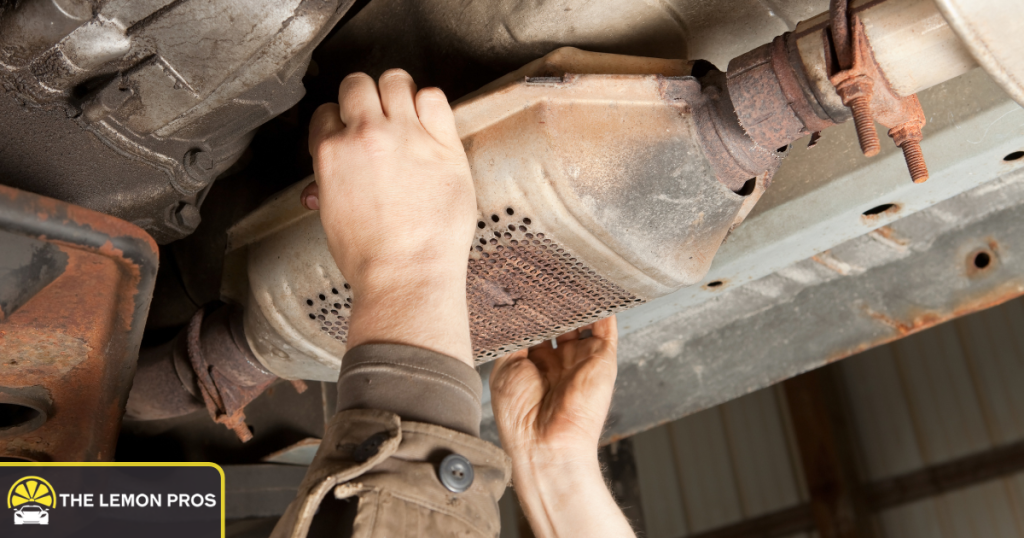
While the GM Powertrain Limited Warranty provides broad coverage for major engine and drivetrain components, it does not extend to the catalytic converter. Instead, catalytic converters are generally protected under the Federal Emissions Warranty, which covers defects in materials or workmanship for 8 years or 80,000 miles, whichever comes first.
GM Powertrain Limited Warranty Overview
The GM Powertrain Limited Warranty protects key components of your vehicle’s engine, transmission, and drivetrain. Common covered components include the engine block, cylinder heads, timing chains, internal transmission parts, and drive axles. It typically excludes wear-and-tear components and damage from neglect or accidents.
Now that you know what is covered under the GM powertrain warranty, it's important to understand its duration. GM’s coverage lasts 5 years or 60,000 miles, whichever comes first. However, the limited warranty does not cover emissions components, including the catalytic converter. If you need help understanding the GM powertrain warranty coverage details, it’s best to speak with one of our lemon law attorneys.
Catalytic Converter Chevy Warranty Coverage
Catalytic converters are not covered under the GM Powertrain Limited Warranty. Instead, they fall under the Federal Emissions Warranty, which lasts for 8 years or 80,000 miles, whichever comes first.
The coverage only includes defects in materials or workmanship. Any failures due to an accident, misuse, corrosion, or modifications are excluded. If you need a GM warranty catalytic converter replacement, the dealer would still be responsible for the labor and repair.
How to Claim GM Warranty for Catalytic Converter?
When the vehicle requires warranty repairs, you must file a claim through GM. We outline the step-by-step process below, so you have fewer warranty coverage disputes to deal with. Remember to keep all service records and communication to file a successful claim.
Claim Process Steps
If you need to file a GM warranty claim for the catalytic converter, there's a certain process you should follow to make sure it goes smoothly. Here's how our attorneys usually handle it when they're working with clients.
- Gather required documentation. Collect all your relevant documentation. You want the vehicle’s purchase or lease paperwork, maintenance and service records, and any prior repair invoices. You strengthen your claim by keeping detailed records.
- Submit the claim through an authorized GM dealership. Take your vehicle to the nearest authorized dealership and inform them that you are starting the catalytic converter claim process. The dealership will inspect the vehicle, confirm the defect, and schedule the repair.
- Understand the timelines. Once submitted, GM reviews warranty claims, but processing can take some time. Maintain clear communication with the dealership and ask for updates along the way. If you are close to the deadline, you don’t want to miss out on the free repair.
Following these steps ensures your GM warranty claims are properly documented and increases the likelihood of a successful catalytic converter replacement.
Common Challenges With New Vehicle Limited Warranty Claims
Even when the catalytic converter is covered under the Federal Emissions Warranty, owners may face obstacles when filing a claim. Common denial reasons include the following:
- Misuse
- Corrosion
- Aftermarket modifications
- Lack of proper maintenance
It’s important to understand that the Magnuson-Moss Warranty Act prohibits denial due to aftermarket modifications unless they specifically caused the failure. However, many dealerships try to skirt around this and blame the consumer for problems caused by poor workmanship and materials.
One of the most common challenges with warranty claims is a lack of documentation. If you are missing any service history or repair records, you could jeopardize the claim.
Before trying to handle a GM warranty catalytic converter replacement on your own, consider hiring an attorney. While you can file a claim without a lawyer, it’s best to have a professional on your side.
Differences Between Powertrain and Bumper-To-Bumper Warranty

It's important to understand the differences between GM’s powertrain and bumper-to-bumper warranties. This will help you figure out which warranty covers what. Let's dive into how each warranty deals with components like catalytic converters and other important parts. This overview sets the stage for exploring how each warranty handles components like catalytic converters and other key parts.
Manufacturer's Limited Warranty Coverage Comparison
There are major differences between the GM powertrain vs. bumper-to-bumper warranty. First, let’s look at covered components. The powertrain limited warranty covers major components, such as the engine, transmission, and drivetrain. It also covers supporting components, such as the engine control module and transmission control module. The bumper-to-bumper warranty offers broader protection. It covers most other vehicle components.
Another difference is the vehicle’s warranty term. GM and Chevrolet vehicles are covered by the bumper-to-bumper warranty for 3 years or 36,000 miles. In comparison, the powertrain warranty lasts 5 years or 60,000 miles, offering longer protection.
Warranty coverage differences extend to the other protections as well. With a new GM vehicle, consumers also get the federal emissions control systems warranty, a corrosion (rust through protection) warranty, and complimentary roadside assistance.
Impact on Catalytic Converter Coverage
Catalytic converters are not covered under the powertrain limited warranty, but receive protection through the federal emissions warranty. Coverage is limited to defects in materials or workmanship. Therefore, you can’t file a claim for misuse, corrosion, or damage caused by modifications.
Is Your Catalytic Converter Issue Covered?
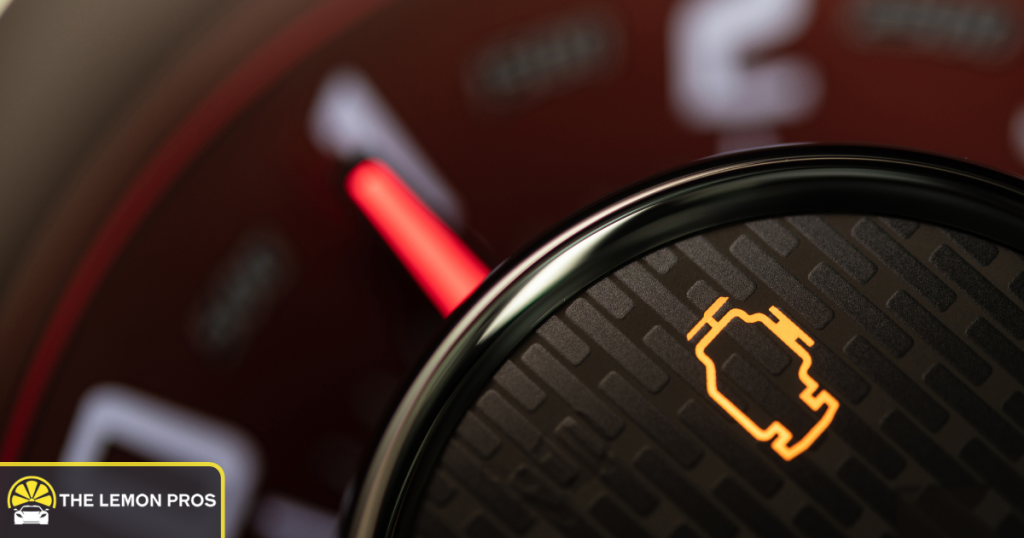
Trying to figure out your Chevy warranty coverage can be a daunting task. You can read the warranty manual to learn more about the coverage. Here are a few tips.
Identifying Emissions Control Systems Warranty Coverage
To verify if a catalytic converter defect is covered, here are some important steps to follow.
- Review your GM warranty documents. This paperwork outlines the GM Powertrain warranty exhaust system coverage and details the exclusions.
- Consult with your authorized GM dealership. Provide details about the problem and let the dealer start the warranty verification process.
- File a claim. The dealer handles the claim directly with GM. Your repair is scheduled, and the catalytic converter should be replaced.
Signs of Catalytic Converter Failure
Emissions system issues are among the most common car problems to occur. Here are a few of the most notable catalytic converter failure symptoms to be aware of.
- Reduced engine power
- Poor acceleration
- Decreased fuel efficiency
- Failed emissions tests
- Check Engine Light
- Rattling or buzzing from under the car if components are broken
Recognizing these signs can help prevent further damage and support a successful warranty claim.
Fight for Catalytic Converter Warranty Coverage
Knowing what the powertrain limited warranty covers helps you figure out how to handle claims. If you are having trouble getting your defective catalytic converter repaired under warranty, it’s time to speak with a legal professional.
The Lemon Pros know how to get results when dealing with the manufacturer's limited warranty. As the best lemon law lawyers in California, our team is ready to handle your case. Contact us today for your free consultation.
FAQs
After purchasing your vehicle, it's important to understand the warranty limitations, especially when it comes to expensive components like the catalytic converter. Here are some of the most asked questions regarding the applicable new vehicle warranty and how it applies to the catalytic converter.
Does the GM Powertrain Warranty Cover Catalytic Converters?
No, catalytic converters are not covered under the GM Powertrain Warranty. They fall under the Federal Emissions Warranty, which excludes damage from corrosion and is separate from protections like the bumper-to-bumper limited warranty that covers the entire vehicle.
What Is the GM Coverage Period for a Catalytic Converter?
Catalytic converters are covered under GM’s Federal Emissions Warranty, which typically lasts 8 years or 80,000 miles from vehicle delivery. This coverage is separate from the bumper to bumper warranty, and exact coverage periods typically appear in the owner’s manual for each vehicle.
How Do I Claim GM Warranty for a Catalytic Converter?
To file a claim, take your vehicle to an authorized GM dealer and explain the issue with the emissions component. While typical powertrain warranties don’t cover catalytic converters, the Chevrolet warranty for emissions components usually does, provided you have service records and documentation showing the defect.
Does GM’s Rust Through Protection Cover the Converter?
No, GM’s rust-through protection applies only to sheet metal components and does not cover catalytic converters. The corrosion protection warranty addresses issues like an actual hole in body panels, helping avoid unexpected repair costs, but it does not extend to select emissions related components.
Does the Bumper Limited Warranty Cover the Converter?
No, the bumper to bumper coverage does not include catalytic converters, which are part of the emissions system. It mainly covers general vehicle components and internal electrical components, so owners should not rely on it for this warranty concern.