
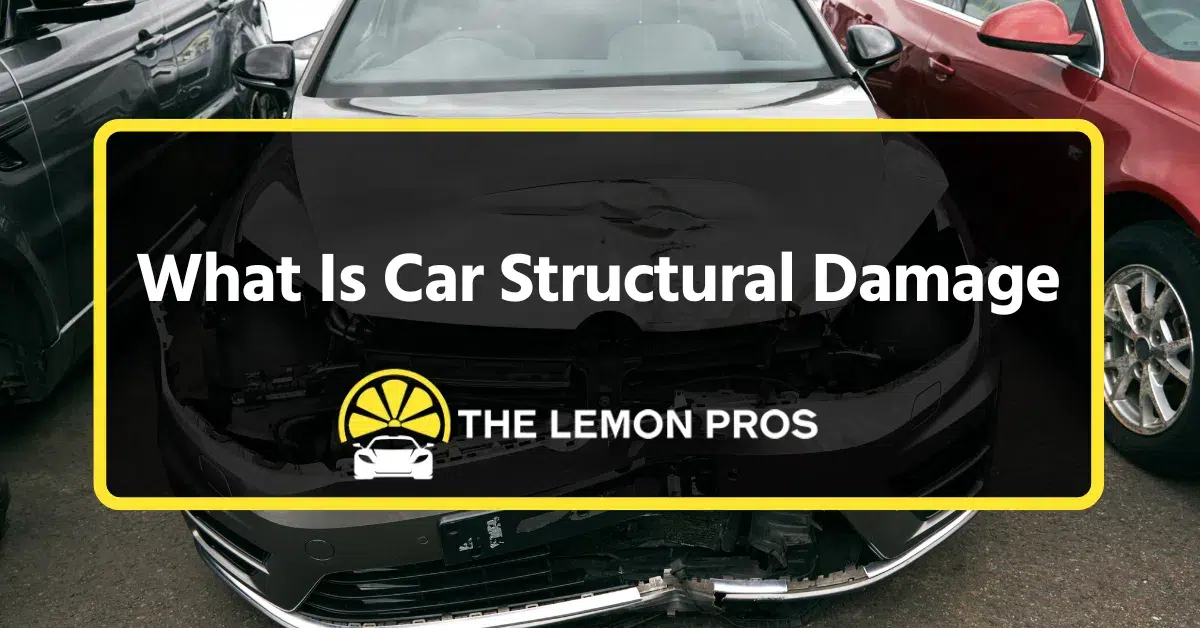
What Is Car Structural Damage

Car structural damage occurs when there’s been harm to the vehicle’s load-bearing framework, typically caused by collisions or severe impacts. Structural damage affects the vehicle’s safety, resulting in reduced crash protection and costly repairs.
The Lemon Pros have extensive experience helping consumers who discover structural defects or hidden frame damage in their vehicles. Our attorneys regularly work with manufacturers and dealerships on cases involving undisclosed damage, repeated repair attempts, and safety-related defects. If your car shows signs of structural issues or has lost value because of a defect, our team may be able to secure compensation under California lemon laws. Contact us today for a free consultation.
In this guide, we give you steps to identifying car structural damage and explain how it affects vehicle safety. We also discuss why recognizing structural damage is important as a vehicle owner and what to do if your car’s integrity is compromised.
Table Of Contents
- What Is Car Structural Damage?
- How Do Car Structural Issues Occur?
- What Are the Implications of Car Structural Damage?
- How Can Car Structural Damage Be Repaired?
- What Are the Steps After Identifying Car Structural Damage?
- Recognizing Structural Damage Now!
- FAQs
- How Does Structural Damage Affect the Safety of the Vehicle?
- Where Can I Find a Mechanic to Assess Cosmetic Damage?
- What Factors Determine the Cost of Car Structural Damage Repairs?
- What Are Mistakes Made When Dealing With Car Frame Damage?
- Are There Legal Implications for Hidden Damage to a Car?
- Is Frame Straightening Safe for My Vehicle?
- What Is Car Structural Damage and How Is It Defined?
What Is Car Structural Damage?
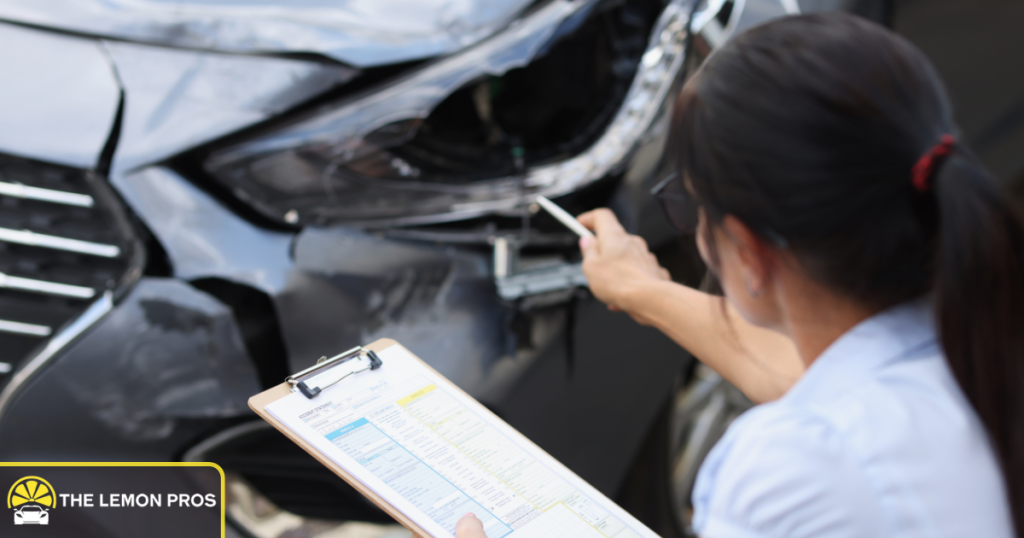
Car structural damage refers to any deformation of a vehicle’s load-bearing parts, such as the frame or unibody. This type of damage can result from collisions, severe impacts, or long-term wear and may affect the car’s alignment, performance, and overall safety.
Understanding the Concept of Car Structural Damage
Structural damage differs from cosmetic or mechanical damage because it affects the core framework that supports the vehicle, rather than its appearance or individual mechanical systems. While cosmetic damage might include scratches, dents, or paint issues, and mechanical damage involves problems with the engine, transmission, or brakes, structural damage compromises safety and long-term drivability.
When evaluating a used car for purchase, it’s critical to know the differences. If you want to buy a car with frame damage, you must first consider the implications and the cost of repairs.
How Do Car Structural Issues Occur?
Car structural damage results from any event that compromises the vehicle’s load-bearing framework. Car accidents and collisions are the most common cause, as impacts can bend or crack the frame, damage the unibody, and even cause delamination of structural components. Poor road conditions, such as potholes or uneven surfaces, can gradually stress the frame and suspension, leading to misalignment and long-term structural weakness.
Natural disasters, including floods, hurricanes, and hailstorms, can introduce water damage and corrosion that weakens the vehicle’s core structure. Additionally, a lack of maintenance, like ignoring rust prevention or failing to address minor structural issues, allows corrosion and decay to spread, further compromising safety. It's important to understand these causes so you can assess a car's condition and avoid buying one with hidden structural issues.
Because car structural damage consequences include reduced safety and hefty repair bills, it’s crucial to do your research before buying a car. The last thing you want is to buy a lemon car and be stuck with the headache.
What Are the Implications of Car Structural Damage?

Car structural damage can significantly affect a vehicle’s performance, handling, and overall safety, as the integrity of the frame or unibody is compromised. It can also reduce resale value, as buyers and insurers often view structural issues as serious, costly, and potentially hazardous.
Impact on Performance and Vehicle Safety
Most importantly, when the structural integrity of a car is compromised, there’s a serious risk of injury and reduced performance. The vehicle’s structure is akin to a car’s skeleton, and it’s needed to keep everything in order. Any defect could lead to the following:
- Impact on vehicle alignment. Structural damage may bend or twist the frame, creating misalignment. This condition leads to uneven tire wear, steering issues, and reduced handling.
- Negative effect on stability and control. Compromised structural integrity makes the vehicle less stable, especially when traveling at high speeds or making sudden maneuvers. Overall, the lack of stability reduces driver confidence.
- Increased chance of injury. With weakened structural components, the vehicle provides less protection during a collision, thereby increasing the chance of injury to the driver and passengers.
Impact on Resale Value
With frame damage or structural deformities, you won’t be able to get fair market value for your car. Expect frame damage to impact the resale value in the following ways:
- Lower resale value. These cars sell for significantly less, mainly because the integrity is unknown and structural repairs can be expensive.
- Defects are shown on the vehicle history report. Buyers review the report based on the car’s VIN (such as CARFAX) to see what damage has been done to a vehicle. Structural issues are often flagged, alerting buyers to a problem.
- Decreased buyers’ confidence. Many buyers avoid cars with a history of frame damage, and for good reason. These cars are seen as unsafe and high-risk investments.
How Can Car Structural Damage Be Repaired?
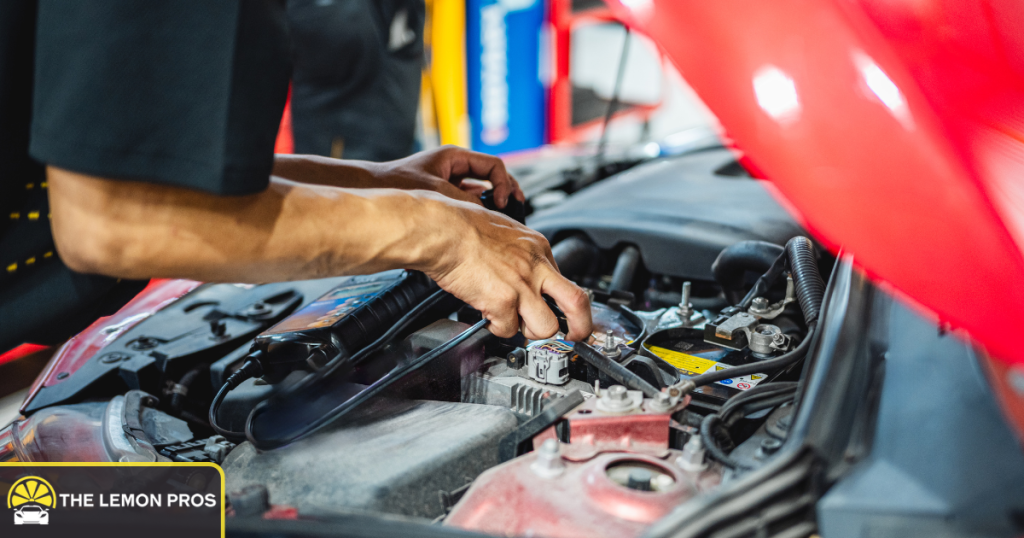
To repair structural damage, a thorough assessment must be performed by a professional mechanic. The car structural damage diagnosis determines the extent of the issues to the frame, unibody, and other body parts, such as the panels.
Modern repair tools, including computerized measuring systems and hydraulic lifts, allow precise diagnostics and accurate restoration. Techniques such as frame straightening, realign bent or twisted frames to factory specifications. On the other hand, welding and panel replacement may be required to reinforce the vehicle’s structure, ensuring safety and maintaining performance.
What Are the Steps After Identifying Car Structural Damage?
Once a car structural damage inspection checklist has been used and the problem is identified, it’s important to take quick action. Follow these steps to ensure the vehicle is safe to drive and your rights are protected.
- Work with a professional. You want a mechanic who can fix any hidden damage and underlying structure issues. Get a repair quote upfront and ask for the timeline that can be expected.
- Contact your insurance company. Insurance claims can be difficult to navigate, but some professional shops will handle this step for you.
- Follow up on repairs. It’s always wise to get a second opinion, ensuring that all the repairs have been completed correctly. If not, you should take the car back to the original shop and have the defects looked at again. Remember to document everything.
There’s always the option to sell the car without the damage repaired. However, you need to consider the legal implications of selling a damaged car first. It’s important to disclose any damage you know about and you must be willing to sell the vehicle at a lower price than the fair market value.
Recognizing Structural Damage Now!
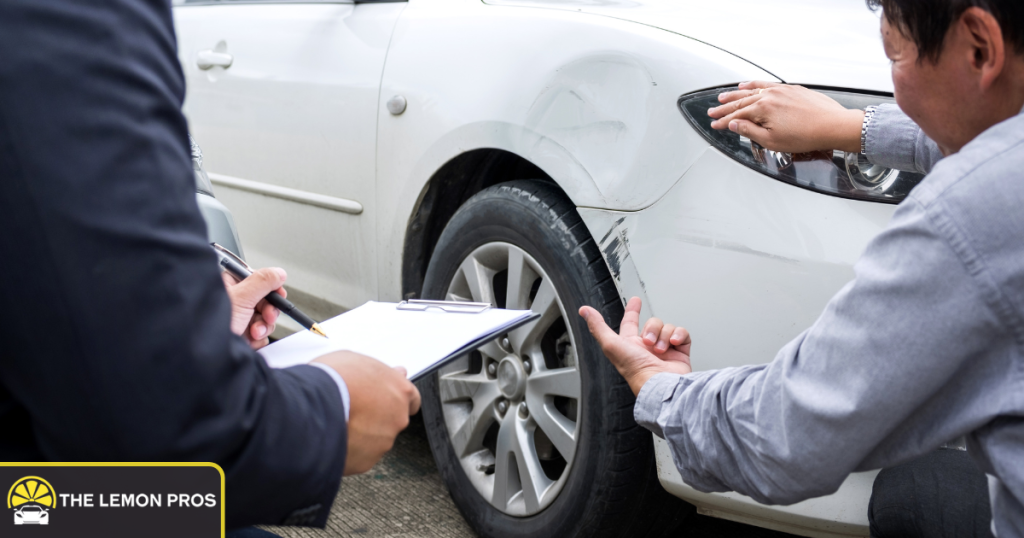
Empower yourself with knowledge to identify and address car structural damage promptly, ensuring safety and peace of mind. If the car qualifies for protection under the California’s Lemon Law, you should also speak with an attorney.
The Lemon Pros are experts in defects with today’s modern cars. We understand the red flags and telltale signs of a lemon car. To get compensation, find us on Google and contact us today for a free consultation.
FAQs
In this FAQ, we address common questions about what is considered structural damage and which damaged parts can affect a vehicle’s safety and performance. Understanding these elements helps drivers make informed decisions when buying, selling, or repairing a car.
How Does Structural Damage Affect the Safety of the Vehicle?
Structural damage can create internal damage and hinder safety features, reducing the effectiveness of crumple zones designed to absorb impact. If any damage occurred to these critical areas, the car may not protect occupants properly in a collision, increasing the risk of injuries.
Where Can I Find a Mechanic to Assess Cosmetic Damage?
To properly assess damage, look for a mechanic experienced with a vehicle’s internal systems and unibody frame who uses advanced tools to evaluate the job accurately. Certified body shops or collision repair specialists often have the equipment and expertise needed for a thorough inspection.
What Factors Determine the Cost of Car Structural Damage Repairs?
The cost of car structural repairs depends on several factors, including the severity of the damage, the type of vehicle, and the repair methods involved. Labor, parts, and the need for specialized equipment can also influence the total expense.
What Are Mistakes Made When Dealing With Car Frame Damage?
Common mistakes when addressing car frame damage include overlooking uneven gaps between panels, which can indicate misalignment. It’s also a common mistake to assume that minor damage is harmless. In many cases, even a small instance of frame misalignment can lead to safety issues or costly repairs if left uncorrected.
Are There Legal Implications for Hidden Damage to a Car?
Yes, there may be legal implications for hidden damage to a car, especially if it affects safety. Issues such as a misaligned wheel or a bent frame that isn’t disclosed can put the seller on the wrong side of the law. To remain in line with local regulations, it’s best to disclose every defect you know about when selling a vehicle.
Is Frame Straightening Safe for My Vehicle?
Frame straightening can be safe when performed by a qualified professional using the right equipment. However, improper repairs may affect the suspension system and overall alignment, potentially compromising the vehicle’s handling and safety.
What Is Car Structural Damage and How Is It Defined?
Structural damage to a car refers to any damage that affects the vehicle’s core framework, including the frame or unibody, preventing it from maintaining its original shape. Such damage can compromise safety, handling, and long-term durability.