
What Is Corrosion Perforation Warranty

A corrosion perforation warranty covers the repair or replacement of sheet metal parts that rust through from the inside out, causing an actual hole in the metal. This rust-through protection typically lasts several years, but it doesn’t cover surface rust or damage caused by chips, scratches, or environmental exposure.
The Lemon Pros provide drivers with legal protection against corrosion. As the top car warranty lawyers in California, we spearhead a corrosion warranty lawsuit when the manufacturer won’t uphold its agreement. Contact us today for a free consultation.
In this guide, we look closely at the anti perforation warranty, showing you what’s included and what’s excluded. We also dig into the corrosion perforation claim process, so you know how to get your car defects covered.
Table Of Contents
What Is Corrosion Perforation Warranty for Your Vehicle?
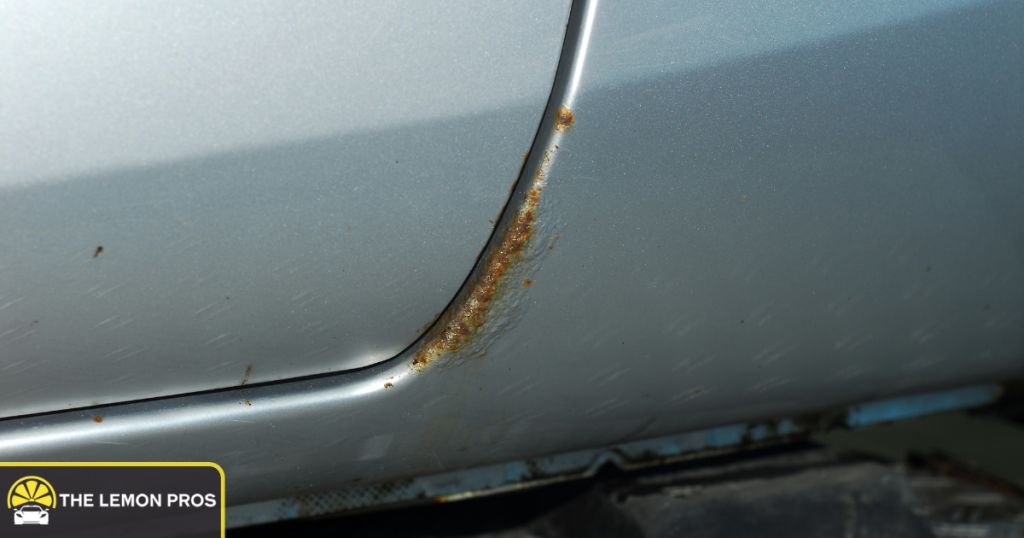
A corrosion perforation warranty protects consumers when rust eats through the body sheet metal panels, leading to holes or structural damage. Legally, it ensures manufacturers are responsible for repairing or replacing affected parts if the corrosion meets the warranty’s specific terms.
Corrosion Warranty Coverage Basics
Typically, corrosion warranty coverage includes repairs or replacement of metal body panels due to rust that occurs from the inside out. Most manufacturers offer this warranty for several years, usually between 5 and 12 years.
Coverage includes any surface corrosion caused by defects in workmanship or materials. It can be used for any rust covered body panels or if a bumper corrodes.
How Do You Get Corrosion Warranty Repairs Approved?
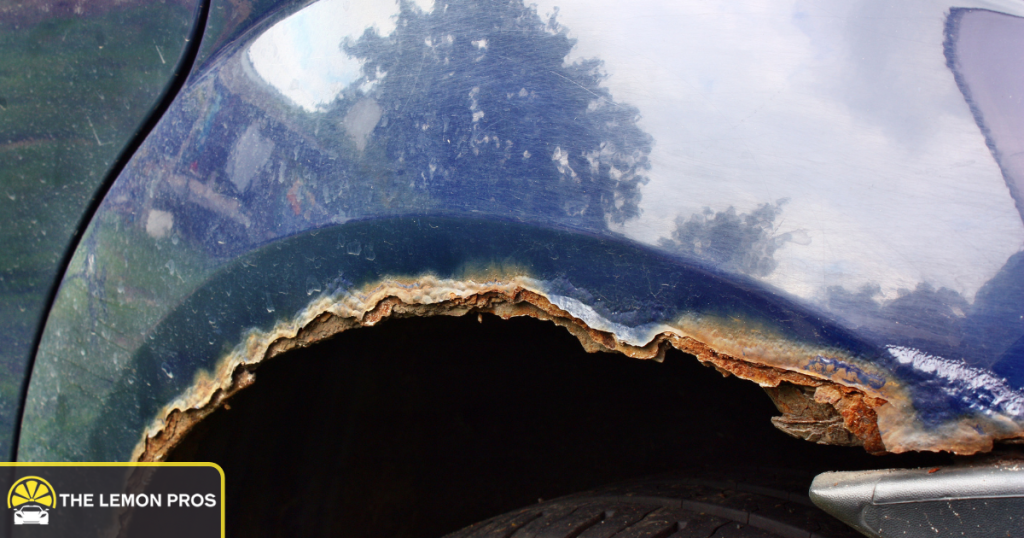
To get corrosion warranty repairs approved, you often need to provide proof that the rust meets the manufacturer’s definition of perforation, which requires a careful inspection. Because automakers closely review these claims, consumers should understand the process and common reasons a corrosion warranty repair might be denied.
Approval Process Steps
It’s essential to know how the corrosion warranty works if you want to get approval for the repairs. Consider these steps.
- Prepare documentation. Take clear photos of the perforation to send with the vehicle VIN, the original warranty paperwork, and repair orders that prove regular maintenance.
- Schedule an inspection. Have an authorized dealer inspect the rust. Ask them to verify the panel has rusted through (not just surface rust) and that it is covered under the corrosion warranty.
- Get the report and estimate in writing. Ask the service advisor to document the corrosion and whether it meets the corrosion perforation definition. Even though there should be no corrosion warranty cost to you, it’s still helpful to have the written repair estimate available.
- Wait for the manufacturer. After the dealer submits the claim, manufacturers review it within a few weeks. Ask the dealer for an estimate on how long this step may take. If you don’t hear anything in a reasonable time, remember to follow up.
- Schedule repairs (if approved). Confirm the timeline of repairs in writing and get the final invoice when the repairs are complete.
- Request a written denial (if denied). Ask for a letter from the manufacturer explaining why the claim was denied. Common denial reasons may include external damage or modifications. You may need to request a second inspection or pursue arbitration.
If your car is a lemon, or you can’t get an answer from the manufacturer, it may be better to reach out to a professional. The Song Beverly Consumer Warranty Act allows drivers in California to receive compensation for defects that aren’t repaired through the manufacturer’s warranty.
Common Anti Perforation Warranty Exclusions
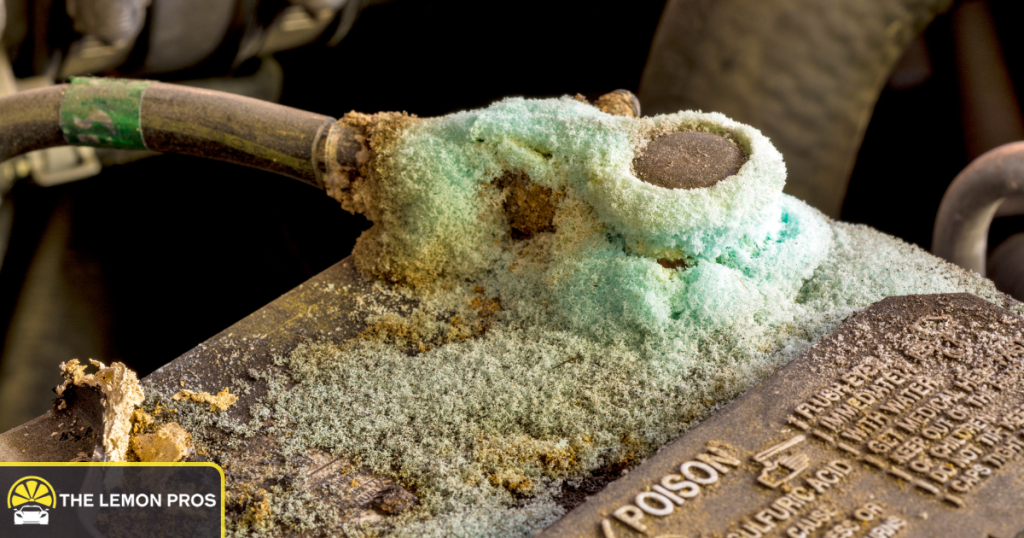
Based on the warranty coverage details, most exclude normal wear and tear. If your car has scratches, chips, and minor surface rust, none of that will be covered. These are considered normal deterioration properties instead of a factory defect.
Extreme environmental conditions are another exclusion. Therefore, any damage from road salt, hail, floods, and chemical exposure will be denied.
Additionally, aftermarket parts that alter the original body panels can void coverage. However, the Magnuson Moss Warranty Act is a federal regulation that prevents manufacturers from denying warranty work unless the modifications specifically led to damage.
If you plan to use corrosion protection products on your vehicle, make sure they don’t interfere with the warranty. Additionally, if you research the best corrosion warranty for cars, you want to read the exclusions carefully to be sure you get what you pay for. With a practice area focused on car defects, our team of professionals can help you get compensation when the manufacturer denies your valid claim.
Are There Alternatives to Manufacturer Corrosion Warranties?
For vehicles without full manufacturer corrosion coverage, several alternative options exist that can help protect against rust perforation. Let’s explore some other solutions beyond the original warranty.
Extended Warranty Options
Extended warranties provide added protection beyond the manufacturer’s original corrosion or anti-perforation coverage. Some extended warranties allow repairs at a variety of authorized service centers that use genuine parts.
Extended coverage comes in a variety of levels, so you want to carefully review plan pricing and exclusions. Make sure that the plan offers comprehensive coverage, from full-panel rust repair to limited corrosion service.
Ready to Assert Your Warranty Rights?

If your car has rust holes or corrosion damage to the aluminum panels and it’s covered by a warranty, you need to get repairs performed immediately. If the manufacturer refuses to repair your vehicle, it’s time to take action. Protect your rights and seek advice from a reliable attorney.
The Lemon Pros understand manufacturer and extended warranty options, ensuring that consumers get the protection they deserve. We can get the manufacturer to pay for the rust damage that has occurred to your car if you have comprehensive coverage. Find us on Google and contact our legal team today.
FAQs
This FAQ covers the most common questions about rust protection. It also shows how your local dealer can help with issues related to warranty-covered perforation. It explains key details so you know what is protected and how to address potential corrosion.
How Does Corrosion Perforation Warranty Work?
A corrosion perforation warranty works by covering repairs or replacement of metal panels that rust through from the inside out, caused under normal use and not by abnormal usage or exposure to extremely corrosive materials. The warranty requires that repairs use factory-supplied materials and are performed by authorized service centers to maintain coverage. For complete details, read your owner’s manual.
What Vehicles Come With a Corrosion Perforation Warranty?
Vehicles from most major manufacturers, including Toyota and Ford, often come with a corrosion perforation warranty that covers rust-through issues for a set coverage period, sometimes up to unlimited miles. The specific terms and duration can vary based on the model, so it’s important to check each vehicle’s warranty details.
What is Corrosion Perforation Warranty Coverage?
A corrosion perforation warranty is designed to cover repairs to affected key components when the manufacturer is unable to prevent rust from causing holes in a vehicle’s body panels. The warranty ensures that any corrosion related concern meeting the perforation criteria is repaired or replaced, protecting the vehicle’s structural integrity under normal conditions.
How Can I Ensure My Corrosion Warranty Repairs Are Approved?
To ensure your corrosion warranty repairs are approved, document any rust caused by perforation with clear photos and service records. Provide all additional information the dealer or manufacturer may request. Always use authorized services to perform inspections and repairs, as this helps validate your claim and maintain warranty coverage.
Is Car Rust Covered Under Extended Coverage Warranty?
Car rust is typically not covered under extended coverage warranty, unless specifically outlined. If rust is caused by regular wear or minor surface corrosion, even the manufacturer’s warranty won’t cover it. Most manufacturer warranties guarantee abnormal rust coverage for a period of five years or more.