

What Is the Lemon Law in California for Used Cars

If a used car has a major flaw that significantly reduces its use, value, or safety and is still covered by the manufacturer's original warranty or a dealer's express warranty, California Lemon Law may be applicable. The car may be legally regarded as a lemon if the manufacturer or dealer is unable to correct the flaw after a reasonable number of repair attempts. Customers may be eligible for remedies like cash compensation, a replacement car, or a refund. However, California's Lemon Law typically does not apply to cars that are sold as-is without a warranty.
The Lemon Pros possess extensive experience in representing clients in California lemon law cases, securing favourable settlements. With our practice area centered on lemons, we run a law firm that strives to get results. Call (855) 694-1071 for a free initial consultation
In this guide, we will cover the qualifications for used cars under California's Lemon Law, outline the steps required to file a claim, and explain the filing process.
Table Of Contents
- How Does the California Lemon Law Protect Buyers of Used Cars?
- How Do I File a Lemon Law Claim for a Used Car in California?
- Real-World Example: Used Car Lemon Law Case in California
- New Car vs Used Car Lemon Law Protections in California
- The 5-Step California Used Car Lemon Law Framework
- What Are the Common Challenges in California Lemon Law Cases for Used Cars?
- What Is the Lemon Law in California for Used Cars?
- Can You Return a Used Car Under the Lemon Law?
- What Are the Exemptions to the Lemon Law for Used Vehicles?
- How Many Repair Attempts Must Be Made?
- Why Choose The Lemon Pros in California Lemon Law Cases?
- Need a Lemon Lawyer for Your Used Car?
- Frequently Asked Questions
- Can I Use the Lemon Law if I Bought a Used Car From a Private Seller?
- What Types of Defects Qualify Under California Lemon Law for Used Cars?
- How Long Do I Have to File a Lemon Law Claim for a Used Car?
- Does the Lemon Law Cover Used Cars Bought Out of State?
- What Compensation Can I Expect if I Win a Lemon Law Case for a Used Car?
How Does the California Lemon Law Protect Buyers of Used Cars?
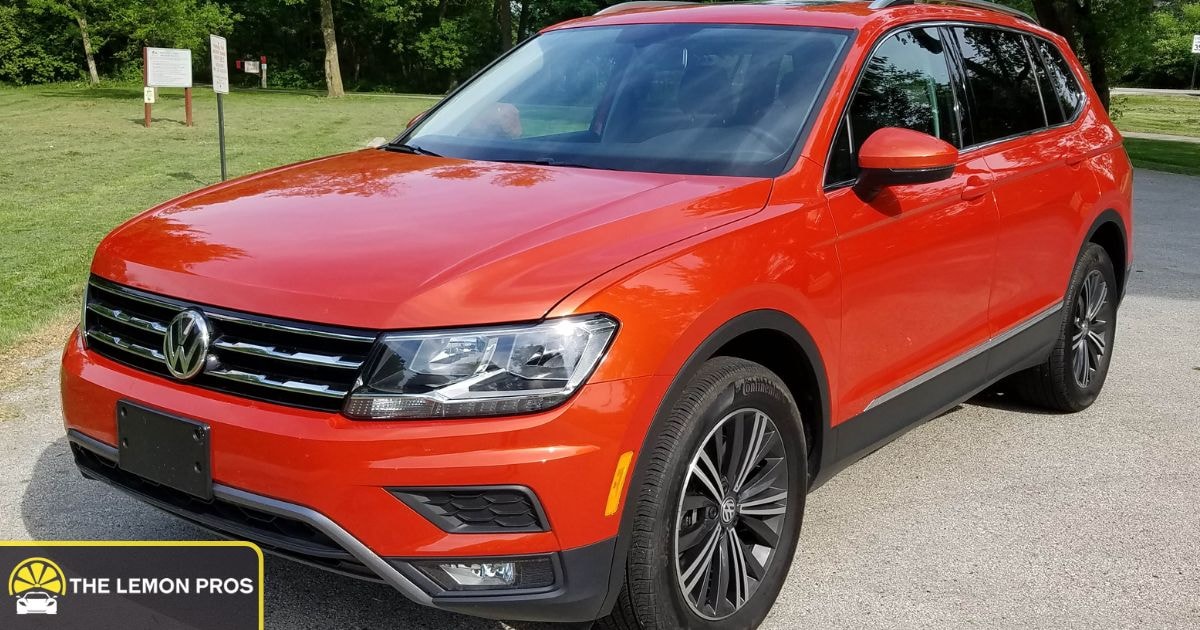
California’s Lemon Law protects consumers who purchase defective vehicles, including certain used cars, from private individuals or dealerships. While most people associate the law with new vehicles, it also applies to used cars that come with a manufacturer’s warranty. To qualify, the defect must substantially impair the vehicle’s safety, value, or use, such as brake failure, engine issues, or problems affecting the gross weight capacity. Vehicles sold without warranty typically do not qualify, so it’s important to confirm coverage before filing a claim.
Eligibility under the California Lemon Law for used cars requires that the defect be reported within the warranty period or within a certain time frame after purchase. Common defects include issues that could lead to death or serious injury, such as malfunctioning brakes, steering failures, or structural problems. The law distinguishes between new and used car protections.
While new cars often receive broader coverage and mandatory repair attempts, used cars may have shorter warranty periods and more limited remedies, though they are still entitled to repair, replacement, or refund if the defect is significant. According to the Federal Trade Commission’s Consumer Sentinel Network, vehicles, especially used cars, rank among the top complaint categories, with over 1.5 million auto-related complaints reported in 2022.
Time limits and warranty requirements are crucial when filing a claim for a used car. Most claims must be made within the duration of the manufacturer’s original warranty or within a specific mileage limit. Buyers should maintain detailed repair records, communicate with the seller promptly, and understand that the law can cover serious safety hazards, including defects that might contribute to death or severe injury. Acting quickly ensures that your rights under California Lemon Law are preserved.
How Do I File a Lemon Law Claim for a Used Car in California?
Filing a Lemon Law claim for a used car in California begins with documenting the vehicle’s defects and repair history. You should gather all relevant evidence, including repair orders, warranty information, and any communication with the seller or dealership. Once you have your documentation, contact the manufacturer or dealership to formally report the defect and request a resolution, as they often have a chance to repair the issue before a claim moves forward.
If the problem persists after reasonable repair attempts, you can submit a Lemon Law claim to the appropriate authority or pursue legal action. Dealerships and manufacturers are required to respond and may offer a replacement, refund, or settlement depending on the severity of the defect. Timelines for claims can vary, but it typically takes several weeks to months for a resolution, depending on the complexity of the case and the responsiveness of the parties involved.
Seeking legal help is recommended if the dealership or manufacturer is uncooperative or if the claim involves serious safety defects, such as brake failure or other issues that could result in injury or death. An experienced Lemon Law attorney can guide you through the process, ensure all required documentation is submitted, and help maximize your chances of a successful outcome. Acting promptly and keeping detailed records is key to protecting your rights under California Lemon Law.
What Documents Are Required for a Lemon Law Claim?
A purchase contract is essential because it proves when and where the vehicle was bought, the price paid, and the identity of the seller, which helps establish eligibility for a Lemon Law claim. Repair records are equally important because they show that the same problem occurred repeatedly and that the dealership or repair facility attempted to fix it multiple times without success.
Also, warranty papers are critical because they confirm that the vehicle was covered when the defect occurred and help demonstrate whether warranty problems exist. Correspondence with dealerships or manufacturers is necessary because it shows that you reported the issue and allowed the manufacturer to resolve it, which can help a neutral third party evaluate the case if the manufacturer agrees to arbitration or dispute resolution.
What Role Does Legal Representation Play in Lemon Law Cases, and How Are Attorney Fees Handled in California?
Hiring a lemon law attorney can greatly increase a consumer’s chances of success in a California Lemon Law claim because these cases involve complex legal standards, strict documentation requirements, and negotiations with vehicle manufacturers. An experienced lawyer knows how to prove that a vehicle qualifies as a lemon, compile evidence of repeated repair attempts, and apply the Song-Beverly Consumer Warranty Act effectively. Legal representation also helps consumers avoid procedural errors, manage communication with automakers, and pursue the maximum compensation available, whether through refunds, vehicle replacements, or cash settlements.
Under California Lemon Law, attorney fees are typically paid by the vehicle manufacturer when a claim is successful, making legal representation more accessible to consumers. Courts require these fees to be reasonable, taking into account factors such as the time spent on the case, its complexity, the attorney’s experience, and prevailing market rates. In practice, reasonable attorney fees can range from several thousand to tens of thousands of dollars depending on the circumstances, and because manufacturers usually cover these costs, many lemon law attorneys offer free consultations and represent clients without upfront legal fees.
Real-World Example: Used Car Lemon Law Case in California
In one California case, a consumer purchased a certified pre-owned SUV that repeatedly experienced transmission failure within the warranty period. Despite four repair attempts by the dealership, the defect persisted and significantly affected the vehicle’s safety and drivability. After filing a Lemon Law claim, the manufacturer agreed to repurchase the vehicle and reimburse the buyer for monthly payments, repair costs, and incidental expenses.
This example illustrates how used car buyers can effectively pursue compensation when manufacturers fail to rectify serious defects within a reasonable number of repair attempts. "We frequently see strong cases involving used cars that are still under warranty, but many consumers believe the Lemon Law only applies to new vehicles," says Michael Saeedian of The Lemon Pros, a Lemon Law attorney with extensive experience. "Whether the manufacturer had a fair chance to fix a serious defect and failed to do so is the key factor, not the vehicle's age."
New Car vs Used Car Lemon Law Protections in California
| Feature | New Car Lemon Law | Used Car Lemon Law |
|---|---|---|
| Eligibility Criteria | Applies to new vehicles purchased or leased in California that develop substantial defects affecting safety, value, or use within the manufacturer’s warranty period. | Applies to used vehicles if they are still covered by the manufacturer’s warranty or a dealer warranty and have serious defects that impair safety, value, or usability. |
| Warranty Requirements | Covered automatically under the manufacturer’s original warranty, typically lasting several years or a set mileage limit. | Coverage depends on whether the used car still has an active manufacturer warranty, certified pre-owned warranty, or dealer-issued warranty. |
| Claim Timelines | Claims generally arise within the first 18 months or 18,000 miles, though coverage can extend as long as the warranty remains active. | Timelines vary widely and depend on the remaining warranty period and the timing of defect discovery after purchase. |
| Common Challenges | Proving repeated repair attempts, meeting the “reasonable number of repairs” standard, and documenting manufacturer involvement. | Demonstrating warranty coverage, proving the defect existed during the warranty period, and overcoming disputes about wear-and-tear versus defects. |
| Compensation Types | Consumers may be entitled to a refund, replacement vehicle, reimbursement for expenses, or cash settlement. | Consumers may receive a refund, repair reimbursement, partial compensation, or settlement, depending on warranty coverage and defect severity. |
New vs Used Car Lemon Law: Key Trade-Offs
Lemon Law claims for used cars have limitations, even though they provide significant protections. One significant benefit is that consumers can still get replacements or refunds for defects that arise while the product is still under warranty. However, due to potentially shorter warranty coverage and manufacturers' common claims that wear and tear causes defects, eligibility is often more limited than for new cars. Customers can assess whether filing a Lemon Law claim is likely to be beneficial by being aware of these trade-offs.
The 5-Step California Used Car Lemon Law Framework
To determine whether a used vehicle qualifies under California Lemon Law, consumers can follow a structured five-step framework. First, confirm that the vehicle is covered by an active manufacturer or dealer warranty. Second, identify whether the defect substantially affects the vehicle’s safety, value, or usability. Third, document all repair attempts and service records to establish a pattern of unresolved defects. Fourth, verify that the defect occurred within the warranty period or legal time limits. Finally, pursue resolution through the manufacturer, arbitration, or legal action if repairs fail. This framework helps consumers quickly assess eligibility and take informed action.
What Are the Common Challenges in California Lemon Law Cases for Used Cars?
Many consumers face obstacles when pursuing California Lemon Law claims for used cars, especially when dealerships refuse to acknowledge defects or delay necessary repairs. Proving that a defect is substantial can also be difficult, particularly when repair attempts are inconsistent or poorly documented. Used car buyers often encounter additional challenges with limited warranties or as-is sales, which can restrict legal protections and make it harder to establish eligibility under the law. These issues can discourage consumers from moving forward, even when their vehicle clearly has recurring problems that affect safety, performance, or value.
Lemon law advocates can help overcome these challenges by analyzing warranty coverage, organizing repair records, and negotiating with manufacturers or dealerships on behalf of the consumer. Experienced professionals understand how to demonstrate that defects meet legal thresholds and can guide claimants through complex procedural requirements. However, unresolved defects may still affect insurance premiums and reduce resale value, making timely action essential. By understanding these common challenges and seeking the right support, used car owners can better protect their rights and improve their chances of a successful lemon law claim.
Not every defective used vehicle qualifies under California Lemon Law, particularly when the car is sold without warranty, or the defect results from normal wear and tear. Manufacturers may also argue that defects existed before purchase or were caused by improper maintenance. Recognizing these limitations helps consumers approach claims with realistic expectations while still pursuing valid legal remedies.
What Is the Lemon Law in California for Used Cars?

Used cars don’t receive the same type of Lemon Law coverage as new cars, but there are still some circumstances where they are covered. Used vehicles still covered by the manufacturer’s warranty have more protection than those without.
Qualifying Under the Car Lemon Law
For a used car to qualify under the California Song-Beverly Consumer Warranty Act, it must be sold or leased with the manufacturer’s warranty. This stipulation includes many Certified Pre-Owned vehicles and some used cars that still have factory coverage.
Additionally, the defect must show up within 18 months or 18,000 miles of the original delivery date. You must have allowed the manufacturer ample time to repair the problem. In California, this requirement typically means that there have been two repair attempts for serious safety issues, or four repair attempts for other recurring problems. Otherwise, if the car has been out of service for more than thirty days, it could qualify.
In California, qualifying defects must substantially affect the car’s use, safety, or value. Therefore, covered complaints can include anything from serious engine damage to annoying electrical glitches. If your used car qualifies under these conditions, you may be eligible for a Lemon Law buyback or replacement vehicle.
What Are the Requirements for a Car to Be Considered a Lemon Under the Law?
Once the defect has been reported and the manufacturer has had a reasonable number of repair attempts to fix it, California law outlines when the vehicle can be deemed a lemon. For starters, the issue must be above a simple inconvenience. The defect must, in some way, affect the use, value, or safety of the vehicle.
You must also have a documented repair history for the defect. Detailed records of each visit help establish this history and support your used car Lemon Law rights. Even if the defect meets the criteria outlined above, the claim must be filed within the California Lemon Law statute of limitations. While the defect must show up within 18 months or 18,000 miles, your used car Lemon Law rights are valid for up to four years.
Can You Return a Used Car Under the Lemon Law?
In most cases, you can’t simply return a used car just because it has problems. The California Lemon Law doesn’t guarantee a return or refund on demand. It only applies when the vehicle meets specific legal standards for being defective.
Filing a Lemon Law Claim
To file a claim for California Lemon Law used cars, it’s always best to have legal representation. You can file a Lemon Law case without an attorney, but you may not receive the same level of compensation.
A Lemon Law attorney in California helps you gather all of your documentation and evidence for a successful case. They also help you meet all of the deadlines, so you don’t miss out on compensation. If you get involved in Lemon Law arbitration in California, you want to have a professional on your side for the negotiations.
Potential Compensation
If your new or used vehicle qualifies under California Lemon Law, you may be entitled to different forms of compensation designed to offset the money, time, and inconvenience caused by a defective vehicle. These remedies aim to restore your financial position as much as possible and provide fair relief when a manufacturer or dealer fails to fix serious defects.
One option is a full refund through a Lemon Law buyback, where the manufacturer repurchases the vehicle and reimburses payments you’ve made, including sales tax, registration fees, and interest. Another option is a replacement vehicle of comparable value, which may appeal to drivers who want to remain with the same brand or model but without the recurring defects. In some cases, you may receive a cash-and-keep settlement, where the manufacturer offers a monetary payment while you keep the vehicle, though this option requires careful consideration of the long-term risks of owning a defective car.
Compensation under California Lemon Law for used cars can also cover incidental expenses such as towing costs, rental car fees, and repair bills paid out of pocket. In addition, the manufacturer may be required to cover your attorney’s fees, reducing the financial burden of pursuing a Lemon Law claim.
What Are the Exemptions to the Lemon Law for Used Vehicles?
The consumer protection provided by California Lemon Law is only available to car owners who use the vehicle for normal household purposes. The cars, SUVs, and pickup trucks must be titled to an individual, not a business. The Lemon Law applies to vehicles purchased, financed, or leased from car dealers, but not private party sellers.
Implied Warranty of Merchantability
The implied warranty of merchantability is built into most vehicle sales. This warranty basically states that when a dealer sells you a car, they’re promising the vehicle is fit for ordinary driving purposes. In other words, the car should run as intended, be safe, and provide reliable transportation.
Unlike the manufacturer's original warranty or the extended warranty, the implied warranty isn’t written into the contract. It applies automatically when the dealer sells the vehicle, unless it is sold as-is.
Sadly, there is no California Lemon Law protection when purchasing from private sellers. For coverage to exist, you must purchase the car from a reputable dealership.
What Is the Arbitration Program for Lemon Law Disputes, and How Does It Work?
When a dispute arises over whether a car qualifies as a lemon, you may prefer Lemon Law arbitration in California. The state-certified arbitration program, through the California Department of Consumer Affairs, helps you avoid court and get a faster resolution. In general, these are the steps involved with arbitration.
- Submit documentation. Turn all of your repair records, service invoices, and warranty details over to the state-certified board. There’s no charge to start the case.
- Arbitrator mediation occurs. The arbitrator goes through the case, discussing details with the claimant and the manufacturer.
- A decision is reached. The arbitrator decides whether the manufacturer must repair, replace, or repurchase the vehicle.
While this process can be a lot faster than filing a lawsuit, you may not like the outcome. However, you aren’t bound to accepting the terms. For this reason, it’s best to work with a Lemon Law attorney in California who can explain your options.
How Many Repair Attempts Must Be Made?
Both the used and new cars are subject to the same repair requirement before filing a Lemon Law claim. For any defect that can cause serious bodily injury, only two repair attempts are required. All others may require four visits to a repair shop before eligibility occurs.
What Repair Attempts Are Required to Meet Lemon Law Legal Standards?
Under the California Lemon Law, repair attempts show that the manufacturer had a fair chance to fix the defect. Well-documented repair records are crucial, as they support your claim and demonstrate that the car qualifies for a Lemon Law buyback. Accurate records strengthen your used car Lemon Law rights and help ensure a smoother resolution.
If you haven’t given the manufacturer a window for reasonable repair attempts to fix the problem, this will be a requirement before you file a claim. Even if you have met the requirement, you may still be asked to give the manufacturer one more attempt. Over the years, we’ve seen that manufacturers are more likely to settle when claims are supported by clear evidence and legal representation.
Case Studies and Rulings
Several California Supreme Court rulings on used cars have helped clarify how repair attempts affect consumer rights. For example, courts have ruled that persistent defects, even with multiple repair efforts, can justify a Lemon Law buyback if they substantially impair the vehicle’s use, safety, or value.
Other cases illustrate the importance of detailed repair records, showing that without proper documentation, consumers may struggle to prove the manufacturer had sufficient opportunities to fix the defect. These decisions set precedents for legal outcomes and help define used car Lemon Law rights, giving buyers guidance on when a claim is likely to succeed.
Why Choose The Lemon Pros in California Lemon Law Cases?
The Lemon Pros only deal with Lemon Law claims, in contrast to many firms that handle a wide variety of consumer cases. Our legal team can anticipate manufacturer defenses, spot compelling claims more quickly, and negotiate more skillfully thanks to this specialization. In our experience, a data-driven approach and methodical case evaluation process assist clients in fully comprehending their options prior to taking any further action. This means we can provide used car Lemon Law clients with stronger results and quicker resolutions thanks to this targeted approach.
Need a Lemon Lawyer for Your Used Car?

While California Lemon Law offers strong protections, not every claim will succeed. Manufacturers often challenge whether defects are substantial or whether they existed before purchase. At the same time, many consumers underestimate their legal rights and fail to pursue valid claims. A realistic understanding of both the strengths and limitations of Lemon Law protections helps buyers make informed decisions.
The Lemon Pros are the team for you. As trusted California lemon law advocates based in Beverly Hills, The Lemon Pros offer 24/7 free case evaluations to help consumers understand their legal options. Reach out for your free case evaluation today.
Frequently Asked Questions
If your used car is still covered by a manufacturer or dealer warranty, you may have legal rights under the Lemon Law. Below, we address common questions to help both you and other customers understand your options and protections when dealing with a defective used vehicle.
Can I Use the Lemon Law if I Bought a Used Car From a Private Seller?
In most cases, the California Lemon Law does not apply to used cars purchased from a private individual unless the vehicle is still covered by a manufacturer’s warranty. Without an active warranty, private sales are usually excluded from lemon law protections.
What Types of Defects Qualify Under California Lemon Law for Used Cars?
Qualifying defects are problems that substantially impair the vehicle’s use, safety, or value, such as engine failures, transmission issues, or brake defects. The defect must occur during the warranty period and persist despite reasonable repair attempts.
How Long Do I Have to File a Lemon Law Claim for a Used Car?
Generally, you must file a claim within the manufacturer’s warranty period and within the statute of limitations, which is typically four years from when the defect was discovered. Acting quickly is important because delays can weaken your claim.
Does the Lemon Law Cover Used Cars Bought Out of State?
California Lemon Law may apply if the vehicle is registered in California and the warranty was issued by the manufacturer, but coverage depends on the specific circumstances. Cases involving out-of-state purchases are more complex and often require legal review.
What Compensation Can I Expect if I Win a Lemon Law Case for a Used Car?
If you win, you may receive a refund, replacement vehicle, or monetary compensation for repairs and related costs. The exact amount depends on factors like the vehicle’s value, mileage, and severity of the defect.