

Does Lemon Law Apply to Used Cars?

Lemon law applies to cars that have a defect that cannot be repaired in a reasonable number of attempts while under warranty. Car lemon laws are typically related to new cars, but there is also coverage for used cars in certain circumstances.
The Lemon Pros are experts in dealing with the Lemon Law and defective vehicles. Since our practice area is focused on lemon vehicles, we have been able to secure compensation for drivers. Contact us today to get a free consultation about your branded title vehicle!
This guide explains how the car lemon law applies to used vehicles and outlines the criteria for taking action.
Table Of Contents
- Does California Lemon Law Apply to Used Cars?
- How Can You Determine if Your Used Car Is a Lemon in California?
- What Steps Should You Take if Your Used Car Qualifies Under Lemon Law?
- Used Car Lemon Law Protections vs New Car Lemon Law Protections
- Lemon Law vs Other Consumer Protections
- What Are Used Car Lemon Laws?
- Real Examples of Used Cars Covered by Lemon Law
- State-by-State Analysis: Lemon Law for Used Cars
- Warranties and Used Car Lemon Law
- How To File a Lemon Law Claim for a Used Car
- Alternatives to Lemon Law for Used Cars
- Tips for Buying a Used Car
- What Are the Common Misconceptions About Lemon Law and Used Cars in California?
- Want To File a Lemon Law Claim for Used Cars?
- Frequently Asked Questions
Does California Lemon Law Apply to Used Cars?
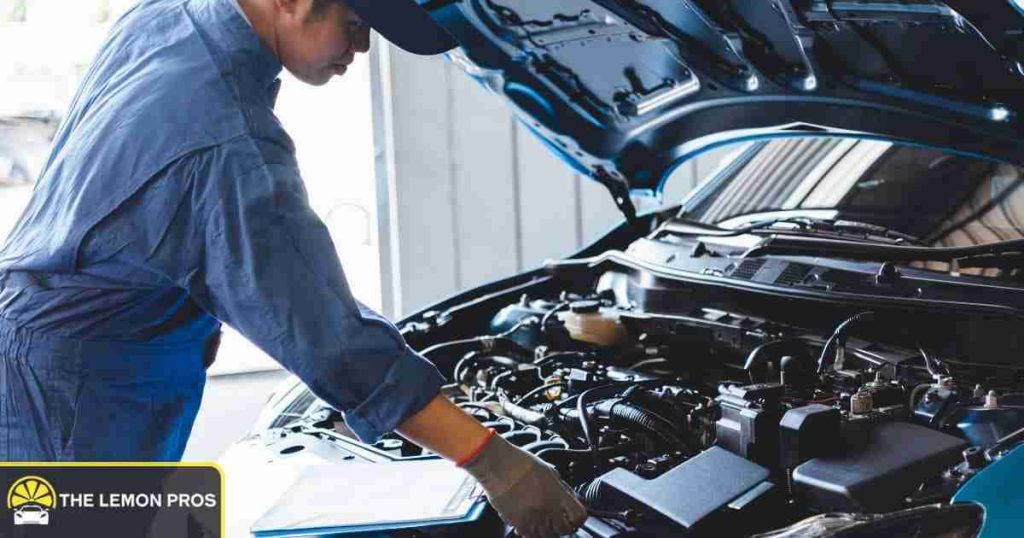
For a used car to qualify for lemon law in California, it must be covered by either a factory warranty (Certified Pre-Owned) or an extended warranty offered by the dealership. The issues causing problems must be covered under the warranty, and be unrepairable, leaving you with a defective car. Examples of potential problems include mechanical failure, inability to use safety features, and a lack of working comfort features that would be covered by the warranty period.
In most cases, lemon laws aim to protect new car drivers from defects, but you may also have a used car lemon that needs to be dealt with. Since 2013, all Buy Here, Pay Here dealerships have been required to offer a minimum 30-day/1,000-mile warranty on all used vehicles sold, ensuring better consumer protections. There’s also broad coverage for defects, including anything that impairs the vehicle’s use, value, or safety. Therefore, the types of problems covered by the lemon law could be anything from a ticking engine to squeaky brakes.
How Can You Determine if Your Used Car Is a Lemon in California?
To qualify as a lemon in California, a used car must usually be sold with a warranty or still be covered by the manufacturer’s original warranty. Under the California Lemon Law, protection depends on warranty coverage when the defect occurs.
The problem must be substantial and affect the vehicle’s use, value, or safety, such as engine failure, transmission issues, brake defects, or serious electrical problems. The dealer or manufacturer must be given a reasonable number of repair attempts, typically three or four for the same issue, or a total of about 30 days out of service for repairs.
The defect must be reported within the warranty period, and the dealer must repair covered problems at no cost if a written warranty was provided. Federal law, including the Magnuson-Moss Warranty Act, may offer additional protection. According to the National Highway Traffic Safety Administration (NHTSA), tens of millions of vehicles are recalled annually due to safety defects, highlighting how common serious vehicle problems can be.
Keep all repair records and service documents, as proof of repeated failed repairs is essential for a claim. If you need guidance, the Better Business Bureau AUTO LINE can assist with manufacturer dispute programs.
What Steps Should You Take if Your Used Car Qualifies Under Lemon Law?

Buying a used car can be risky, especially if it develops repeated problems shortly after purchase. If your vehicle keeps breaking down despite repairs, knowing your rights under lemon laws can help you secure a refund or replacement.
Step 1: Confirm Warranty Coverage
Check your sales documents for a written warranty. Dealers often must repair covered defects at no cost, especially for major components like the engine, transmission, and brakes. The federal Magnuson-Moss Warranty Act and state lemon laws protect consumers when repeated problems occur under warranty, even overriding some as-is sales.
Step 2: Allow Reasonable Repair Attempts
Give the dealer or manufacturer time to fix the defect. Laws typically allow three to four repair attempts or about 30 cumulative days out of service. If the same problem persists after multiple attempts, you may be entitled to a refund or replacement.
Step 3: Notify the Dealer or Manufacturer
Send a written notice that the defect continues. Consumer protection laws require dealers to respond honestly, and formal notice is often required before pursuing further action.
Step 4: Use Arbitration if Available
Many manufacturers offer dispute programs before litigation. Consumers can consult the Better Business Bureau AUTO LINE for state-specific guidance and assistance.
Step 5: Consult a Lemon Law Attorney
An attorney can assess eligibility, handle negotiations, and file claims if needed, often at no upfront cost to you.
Step 6: Seek Available Remedies
If your claim succeeds, you may receive a full refund, a replacement vehicle, or reimbursement for related expenses, depending on state law. By following these steps, you can protect your rights as a used car buyer and take action confidently if your vehicle qualifies as a lemon.
Used Car Lemon Law Protections vs New Car Lemon Law Protections
It is important to understand your rights when purchasing a car in case it turns out to be a lemon. Although there are legal protections for both new and used cars, the regulations and coverage can vary greatly. If your car has ongoing issues, knowing the distinctions between new and used car lemon law protections will help you take the appropriate action to obtain repairs, refunds, or replacements.
| Feature / Aspect | New Car Coverage | Used Car Coverage | Notes |
|---|---|---|---|
| Warranty Requirements | Must have a manufacturer’s warranty | Must have a written warranty from the dealer; some states require a manufacturer’s warranty. | Used cars sold as-is without warranty typically are not covered |
| Repair Attempt Limits | Usually 3–4 attempts or 30 days out of service | Typically 3 repair attempts; depends on state law | Limits can vary by state; some states allow longer cumulative repair time for used cars. |
| Time / Mileage Limits | Often 1–2 years or specific mileage (varies by state) | Varies by state (e.g., California, NY, NJ, MA); often lower mileage or shorter time than new cars | Some states cap eligibility based on vehicle age or odometer reading at purchase |
| Remedies Available | Full refund or replacement vehicle | Refund or replacement if the defect persists after reasonable repairs | Some states apply “usage offsets” for used cars based on mileage driven |
Lemon Law vs Other Consumer Protections
While other consumer protections cover more general issues like warranties, deceptive advertising, or dangerous products, lemon law is only one kind of protection that focuses on defective automobiles.
What Are Used Car Lemon Laws?
Some used cars come with a service contract or an extended warranty that covers potential defects. The dealer doesn't normally offer a lengthy warranty on the used vehicle, unless it is a Certified Pre-Owned car. However, the dealer warranty is all that's needed for a used car to be deemed a lemon for unrepairable defects.
While the lemon law applies to various used car situations, it can be slightly more difficult to navigate. Here are a few examples of where the used car lemon laws would apply.
- Stephen purchased a truck from a Buy Here, Pay Here dealership. Within the first week, the headlights started malfunctioning. The problem can’t be resolved even though the service center has tried four times, and the truck has been in the shop for 35 total days.
- Juan bought a Certified Pre-Owned SUV from a new car dealership, but the air conditioning wasn’t working correctly. The dealership has attempted repairs under the factory warranty, but is unable to fix it.
- Hannah can’t seem to get the tailgate on her hatchback working properly, even though she just bought the car from a dealership with an extended warranty. She has taken it back four times for repairs, but the problem keeps resurfacing.
While these cases are all very different, they all qualify for lemon coverage because the issues can’t be repaired while under warranty coverage. Repairs have been attempted, and these problems have created either a safety issue, reduced the value, or hindered the usability of the vehicle, making them eligible for the used car lemon law.
The average lemon law settlement in California can be anywhere from $5,000 to $100,000, but the settlements are often lower when dealing with a used car. The reimbursement may include the original purchase price, or you could opt for a replacement with a comparable car of relative market value.
Real Examples of Used Cars Covered by Lemon Law

Case Study 1: Stephen bought a truck from a “Buy Here, Pay Here” dealership. Within a week, the headlights malfunctioned. The service center tried four times to fix it, and the truck was in the shop for 35 days. Stephen successfully claimed a partial refund under California's lemon law.
Case Study 2: Juan purchased a Certified Pre-Owned SUV. The air conditioning failed repeatedly despite factory warranty repairs. Juan received a replacement vehicle after arbitration.
Case Study 3: Hannah’s hatchback tailgate wouldn’t stay closed. She visited the dealer four times under the extended warranty. She received a refund for the vehicle after providing repair records.
State-by-State Analysis: Lemon Law for Used Cars
Several states other than California have lemon laws for used cars. Connecticut, New Mexico, Massachusetts, New Jersey, and Rhode Island all have coverage with some age and mileage restrictions. On the other hand, Arkansas, Georgia, Mississippi, Idaho, Montana, North Dakota, South Dakota, Vermont, and West Virginia have no state laws for used cars.
“In our experience, many used car buyers don’t realize that a short dealer warranty can still make their vehicle eligible under California lemon law. The key is keeping detailed repair records and acting promptly,” says Michael Saeedian, Lemon Law Attorney at The Lemon Pros.
With all of the states offering used car coverage, a written warranty must be included. The typical law also specifies that the car must be purchased through a dealership. Therefore, there are no lemon law protections when the vehicle is purchased through private sales or auto auctions.
Warranties and Used Car Lemon Law
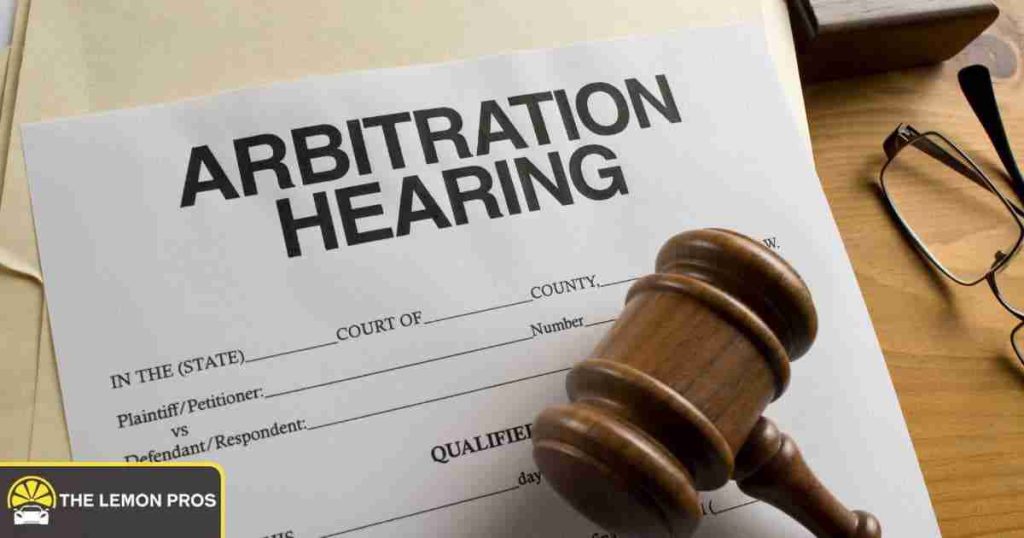
Used vehicles must be covered by a warranty to qualify for the lemon law. The issue must also be covered through the warranty work. With used cars, the warranty period can vary, with some dealerships only offering a 30-day/1,000-mile service contract plan. On the other hand, a Certified Pre-Owned car may still have the factory warranty coverage attached to it. Once the warranty expires, the lemon law protection disappears.
Implied warranties are spoken and unwritten promises given by a dealer. These warranties rarely receive coverage through lemon law, but there are other avenues of receiving compensation if the dealer was attempting to commit fraud. Express warranties relate to the promises made by the seller, either in writing or verbally, while a dealer warranty is binding, and there's paperwork for it.
For this reason, it’s essential to understand the warranty terms when purchasing a used car. You need to know what protection you have in case something should go wrong. Otherwise, you could have a defective used vehicle that requires thousands of dollars' worth of work shortly after purchasing it.
How To File a Lemon Law Claim for a Used Car
If you believe your car qualifies as a lemon, you must gather all your documentation. Make sure you have the car warranty paperwork, whether it’s the manufacturer’s warranty or an express warranty implied by the dealership. You also need proof of the full purchase price and any other fees you paid, including work done at a repair shop, sales tax, and registration expenses. It’s also critical to have a record of the repairs and technicians you’ve spoken with.
Next, you must start the informal dispute settlement procedure by contacting either the manufacturer or the dealership. This step is part of the state's lemon law, giving the manufacturer or dealer time to make the situation right without further action. By giving the dealer or manufacturer a reasonable opportunity to respond, you also increase your chances of a quick resolution.
You can request a full refund, less a reasonable allowance, or a comparable replacement vehicle due to the defects while the car has a written warranty. You must outline the safety concern or substantial defect that you have been dealing with. It's also valuable to list every time the car was in the shop, showing that there were a reasonable number of attempts made to repair the vehicle. Keep a copy of the demand letter for your records.
From here, you may be offered an arbitration hearing to discuss the defective vehicle. In some cases, this option provides the fastest remedy, but there are times when litigation is a better choice. Ideally, you will have a lawyer involved at the start of the process who can guide you to the right decisions.
Alternatives to Lemon Law for Used Cars
The California lemon law isn’t your only option if you need compensation. The Better Business Bureauis also a good place to start, especially with the BBB Auto Line program, which helps you settle a warranty dispute.
You can also file a report with the state’s attorney general. The attorney general gets involved in cases where multiple complaints surface about the same company or manufacturer, so it’s important to have your case recorded.
Federally, other laws offer consumer protections. The Magnuson-Moss Warranty Act sets the guidelines on a federal level, while the Uniform Commercial Code gives all manufacturers a standard to abide by. Because they are federal laws, they are helpful in every state, even if there aren't lemon laws. Whether you live in California or New York, these guidelines are all the same. They also apply to used and new vehicles for better consumer protection.
If lemon law coverage isn’t available for your vehicle, either because of the type of automobile it is, such as off-road vehicles and motor homes, or because you purchased it without a warranty (as is), there may be other avenues to consider. A lemon law attorney helps you navigate the circumstances to determine whether you are entitled to compensation. If you are dealing with a vehicle defect that substantially impairs its use, it’s best to have a consumer rights attorney on your side.
Tips for Buying a Used Car

Buying new vehicles or leasing cars comes with different concerns than purchasing a used car. With a new or leased car, you know the warranty protection it comes with, so you have more peace of mind. For this reason, you want to do your homework before buying pre-owned vehicles. Here are a few steps to consider:
Ask to see a vehicle history report. This report should give the service history from the previous owner and show if the car has been in any accidents. Accidents, recalls, and other incidents can dramatically reduce the value of used vehicles.
Potential buyers should have the opportunity to test drive the vehicle. During this test drive, you may want to request a pre-purchase inspection from a local mechanic.
Carefully read the warranty coverage. You need to know the mileage limit and the term for dealing with vehicle problems. You may also be required to provide written notice if the same problem or major component defect continues after repeated attempts to repair it.
What Are the Common Misconceptions About Lemon Law and Used Cars in California?
It's a common misconception among consumers that lemon laws only apply to brand-new vehicles. Used car buyers are also protected by specific state laws in California, New York, New Jersey, and other states if a significant flaw remains after a fair amount of time or attempts at repair. You usually have the right to return the car and get your money back if the same issue cannot be fixed after three or more attempts.
Another widespread misunderstanding is that private party sales are covered by the lemon law. Usually, only cars sold by authorized dealers are subject to lemon laws. When selling a used car, dealers are required to offer a written warranty. This warranty covers major components such as the engine, transmission, and brakes, and requires repairs at no cost to the consumer. Private sales usually do not include these protections.
Some buyers also think that any used car sold with a warranty automatically qualifies for lemon law protection. Not all warranties meet the requirements. In some states, coverage depends on the car’s age, mileage, and whether it is still under a manufacturer’s express warranty.
For example, in Michigan, the lemon law applies only if the vehicle is still covered by the manufacturer’s warranty at purchase. In New Jersey, used cars may qualify if they are under seven years old and have fewer than 100,000 miles. In Massachusetts, used vehicles must have fewer than 125,000 miles to qualify.
Dealers must give you written notice of your legal rights, and the warranty must cover specific parts. For information on state-specific lemon law programs, consumers can also call the Better Business Bureau AUTO LINE.
The law permits a reasonable amount of time and attempts at repair if a used car develops a significant defect within a reasonable timeframe or mileage. Depending on the state, the person entitled to remedies may get a refund or a replacement if the defect continues. Additionally, consumer protection laws in some states mandate that dealers answer questions from buyers truthfully.
Want To File a Lemon Law Claim for Used Cars?

Not all used cars are covered by lemon laws. Vehicles sold as-is, off-road vehicles, or motorhomes may require alternative legal avenues such as consumer fraud claims or warranty disputes. While things happen and cars break, there’s a reasonable allowance of time allowed for repairs. The bottom line is that you can take legal action if you are driving a lemon.
For great advice, you want a qualified lemon law attorney on your side, such as The Lemon Pros. Our team of Lemon Law attorneys in California focuses exclusively on California Lemon Law cases and has helped drivers pursue claims, total loss disputes, and manufacturer buybacks. Contact us today for a free case evaluation to discuss your options at no cost.
Frequently Asked Questions
Buying a used car can feel uncertain, but the federal lemon law and California’s strong consumer protections work together to protect car buyers when serious defects arise. The FAQs below break down the essentials in clear, simple terms so shoppers know what rights they have, and what steps to take if a used car turns out to be a problem vehicle.
Does California Lemon Law Cover Private Party Used Car Sales?
No, the California Lemon Law generally does not apply to private party sales. It only covers vehicles sold by licensed dealers with a warranty.
How Many Repair Attempts Are Considered Reasonable for Used Cars?
Typically, three to four repair attempts are considered reasonable. Some laws also consider the vehicle out of service for a total of about 30 days as sufficient.
What Types of Defects Qualify Under the Lemon Law?
Defects that substantially affect the vehicle’s use, value, or safety qualify. This includes issues like engine failure, transmission problems, brake defects, or serious electrical malfunctions.
Can I Get My Money Back for a Used Lemon Car?
Yes, if the defect cannot be repaired after a reasonable number of attempts, you may be entitled to a refund. A replacement vehicle is also sometimes offered, depending on the case.
How Long Do I Have to File a Lemon Law Claim in California?
You must report the defect while the car is still under warranty. Typically, claims should be filed within the warranty period or as soon as a reasonable number of repairs fail.
Legal Disclaimer: This content is provided for informational purposes only and does not constitute legal advice. Lemon Law eligibility and outcomes vary based on individual circumstances, vehicle history, and applicable laws. Reading this article does not create an attorney-client relationship. For legal advice regarding your specific situation, consult a qualified California Lemon Law attorney.