

Short answer
Three things have to line up. The defect must be covered by the manufacturer's warranty, it must substantially affect the vehicle's use, value or safety, and it must survive a reasonable number of repair attempts. The guideposts courts use are about four attempts at the same fault, two for a serious safety defect, or thirty or more cumulative days out of service.
Under California Lemon Law, a vehicle with significant defects may qualify for compensation if the issues cannot be resolved within a reasonable number of repair attempts. The defects must be covered by the warranty and the problems must start within the first 18 months or 18,000 miles of ownership.
Because many stipulations and exclusions surround these laws, it’s best to contact Lemon Law lawyers to handle the claim. Our professional attorneys have helped hundreds of clients in California navigate Lemon Law’s stringent rules and regulations. We offer a free Lemon Law consultation, so you don’t have to pay anything upfront.
This blog addresses how vehicles qualify for Lemon Law, how many repair attempts are required, and the best ways to ensure a successful claim. With more knowledge under your belt, your chances of getting the full compensation you're owed go up accordingly, so you must familiarize yourself with the regulations.
What Is the Lemon Law in California?

California Lemon Law is a consumer protection act providing legal remedies to purchasers or lessees of defective vehicles, usually new cars, allowing them to receive a refund or replacement vehicle if it has significant defects that the manufacturer or dealership is unable to repair within a reasonable number of attempts. California residents are protected under the Song-Beverly Consumer Warranty Act and the Tanner Consumer Protection Act, as well as federally under the Magnuson-Moss Warranty Act.
Drivers shouldn’t be stuck with a defective vehicle, which is why these consumer protection laws exist. Otherwise, manufacturers would be allowed to sell bad motor vehicles to the public, and there would be no way to get reimbursement. Instead, Lemon Law in California keeps the automakers accountable for what is sold to the consumer, ensuring that hardworking people are not taken advantage of.
In fact, the average Lemon Law settlement in California can reach up to $100,000, depending on the circumstances. When adding up the replacement cost of the motor vehicle and all of the legal fees they would be responsible for, the manufacturers are better off ensuring that the defects get repaired under the manufacturer’s warranty. The manufacturer doesn't want to deal with a California Lemon Law new car claim or its repercussions, so negotiation may be their best option, especially when dealing with a lawyer.
California Lemon Law Qualifications

California Lemon Law covers cars with substantial and unrepairable defects that are still covered by warranty. However, there is legal recourse for drivers with problems beyond the Lemon Laws’ scope. If there’s been any fraud, misrepresentation, breach of contract or consumer protection violations, you may be looking at one of the reasons to sue a car dealership in California.
Here are some generalized guidelines as to what car qualifies for California Lemon Laws:
- The vehicle must have a substantial defect that’s covered under the manufacturer’s warranty.
- The substantial defect must inhibit the vehicle’s use, safety or value.
- This defect surfaced during the first 18,000 miles or 18 months of taking possession of the vehicle, whichever comes first.
- An authorized repair facility has attempted to repair the issue (typically with a minimum of four attempts) and cannot find a resolution.
New or used vehicles both qualify for Lemon Law under certain conditions. For a used car to be included, it must also have warranty coverage provided by the manufacturer or through the dealership where the car was purchased. Either a Certified Pre-Owned warranty or extended warranty coverage may be provided. Used cars purchased through private party sales are not covered.
How Does a Car Qualify for Lemon Law? New vs Used Cars
In California, there are Lemon Laws for both new and used cars, although the qualifications vary.
How Can a New Car Qualify for Lemon Law in California?
Lemon Law for new cars in California dictates that multiple attempts must be made to repair the vehicle's defect during the warranty period, although the number of attempts varies based on the severity of the issue. A new car qualifies as a lemon because of the manufacturer’s warranty, which is different from the extended car warranties in California that kick in once the initial protection ends. However, the issue must occur within the first 18,000 miles or 18 months of taking possession of the vehicle.
Lemon vehicles can be purchased back by the manufacturer, you can be given a replacement, or there could be monetary compensation offered, and you keep the vehicle. The Lemon Law buyback requires you to return the vehicle. You are given money for the purchase price of the defective vehicle minus the time you drove it. California covers other fees associated with the purchase or lease, including the sales tax and dealership fees. In some cases, the manufacturer must also pay for your attorney when you are filing a California Lemon Law new car claim.
How Can a Used Car Qualify for Lemon Law in California?
Lemon Law for used cars in California requires that the vehicles be covered by the dealership’s extended warranties. A certified used car may still be covered through the factory warranty, but a used vehicle sold by a third party isn’t going to fall under Lemon Law coverage.
Since 2013, all “Buy Here, Pay Here” dealers must offer a 30-day/1,000-mile warranty for pre-owned vehicles. In some cases, the dealerships that don’t handle the financing offer even better warranties, especially if the car has been reconditioned, making it easier to qualify for the used car Lemon Law in California. Similarly to the new car Lemon Law cases, there must be a significant defect that substantially impairs its use, value, or safety, which cannot be repaired in a reasonable timeframe, for it to qualify under California Lemon Law used car protections.
Used lemon vehicles may also be bought back by the dealer. There’s also the option to receive another vehicle with a similar purchase price or value in exchange for the defective model. Otherwise, you can take a payout from the dealer with the agreement that you will keep the vehicle.
What Defects Fall Under California Lemon Law?
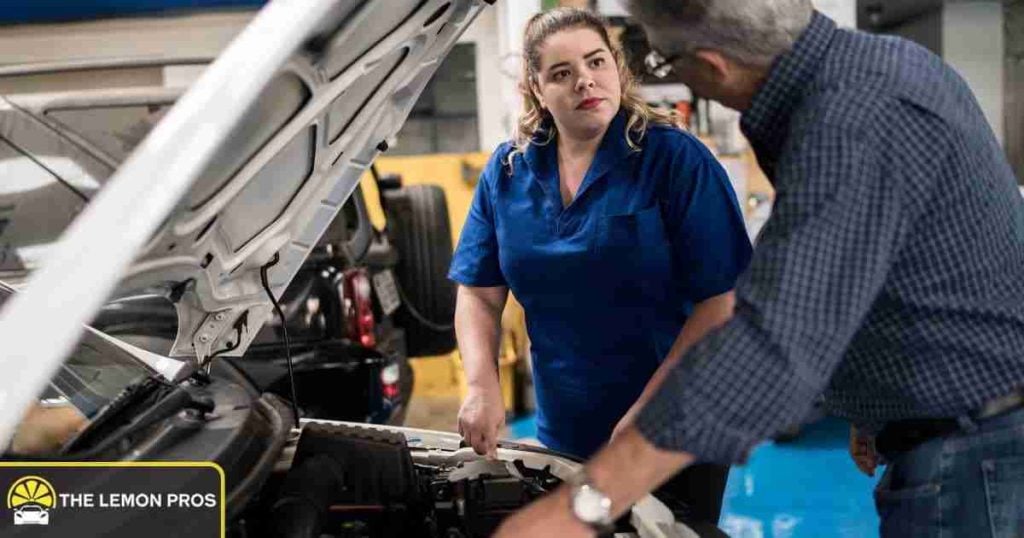
Not all problems qualify for a Lemon Law claim, but because the regulations state that any defect affecting the value, use, or safety is included, there’s a long list of the types of problems covered by Lemon Law. Major issues, such as engine failure and transmission slippage, would be included, but so would smaller concerns, such as a failing air conditioning system or trouble with the power locks.
There’s also a distinction between safety and non-safety-related concerns, although both can be covered. If serious injury could occur as a result of the defect, the vehicle only needs to be at an authorized repair shop two times instead of the standard four.
What Is a Reasonable Number of Repair Attempts?
Under California's Lemon Law rules, to meet Lemon Law qualifications, the automobile manufacturer must have attempted to repair the defects at a qualified shop. In most cases, the car manufacturer has four attempts to get the issue repaired. These repairs should occur through the car warranty.
As previously discussed, when a safety issue is present, there only needs to be two repair attempts made for Lemon Law disputes to occur. This reduced stipulation is meant to protect consumers from injury.
In either case, dealers aren’t entitled to keep your vehicle for as long as they want. The dealership can hold your car for repair for 30 days. This thirty-day guideline includes every attempt. Therefore, if your new car was in the shop the first time for 20 days and the second for 15 days, there don’t need to be two more attempts. Your vehicle would qualify for the car Lemon Law in California.
What Is the Lemon Law Process if Your Car Qualifies?

There is a California Lemon Law time limit to consider if you want to file a claim. While the defect must occur within the first 18,000 miles or 18 months from when the vehicle was purchased or leased, you have four years to file the claim.
To start the Lemon Law process, you want to gather all of the necessary documents to back up your claim. These documents include:
- Purchase or lease agreement
- Repair orders and estimates
- Record of communication with dealership staff and the manufacturer (make sure to include the date, time, person’s name, and the result of the communication)
Once you’ve gathered these documents, we recommend speaking with a qualified Lemon Law lawyer. A demand letter needs to be sent to the manufacturer, and the response is generally better when an attorney is involved.
After a demand letter is sent, the vehicle’s manufacturer may request arbitration with a neutral third party. They also have the option to request that you take the vehicle to a new shop for an attempted fix, choosing adequate repair facilities that may have more experience with the same problem your car is dealing with. In some cases, it may be best to choose one of these options versus going to court, which can often be a longer process.
If the vehicle qualifies for compensation, a good lawyer won’t stop until you receive the payout you deserve. After all, no one should be left with a defective car. Both you and your attorney need to determine the plan that’s right for your needs. You could be offered an extended warranty to cover further repairs, a replacement vehicle, or a buyback as part of the Lemon Law case compensation.
Consumer Rights and Protections in California

Lemon Law applies to new vehicles, leased vehicles, and pre-owned vehicles with a written warranty. Beyond Lemon Law, consumers have access to other protections. For example, a complaint can be filed with the California Department of Motor Vehicles (DMV) if there has been original warranty fraud or negligence. We also recommend filing with the state’s Attorney General.
Federal laws further support California Lemon Law in the following ways:
- Magnuson-Moss Warranty Act requires manufacturers to offer detailed and clear warranty terms.
- Federal Trade Commission (FTC) Regulations guide the advertising and sales practices of businesses.
- National Highway Traffic Safety Administration (NHTSA) sets the safety standards for vehicles and investigates any safety-related defects.
In conjunction with all of these resources, a good Lemon Law attorney is essential for your success. One can be found by asking friends and family for recommendations. We also recommend checking with the Better Business Bureau (BBB) to see the lawyer’s ratings. In today’s digital age, you can also learn a lot about an attorney by reading online reviews.
The next consideration to think about is the cost of the lawyer. You want to pay reasonable attorney fees under California Lemon Law. With The Lemon Pros, we offer a free consultation so there’s no upfront cost. We can also get the manufacturer to pay all of the attorney fees, which are collected when we win your case.
Want To File a Lemon Law Claim?
If you drive a lemon car, you have the right to compensation. While there are certain guidelines required for the vehicle to be considered a lemon, Lemon Law representation can help you wade through the legal jargon. Before attempting to file a claim on your own, it’s best to consult a qualified attorney.
Contact a lemon car lawyer in California to secure the full compensation you're owed. With our team’s expertise and commitment to your case, you can come out on top, as did the hundreds of clients we’ve helped before you. Your free Lemon Law consultation is waiting. We have the tools necessary to get you compensation, a replacement vehicle, or a Lemon Law buyback.
Trust the best with your case and call our Lemon Law Attorney Practice in Beverly Hills.
Frequently Asked Questions
Does the defect have to be dangerous to qualify?
No. It must substantially affect the vehicle's use, value or safety. Any one of the three is enough, so a fault that makes the car unreliable or worth less can qualify without being a safety risk.
Does the warranty have to still be active when I file?
No. What matters is that the defect first appeared while the warranty was in force. The claim itself can be brought later, generally within four years.
Do repairs at an independent garage count?
Warranty repairs need to be carried out by a franchised dealer for that manufacturer to count as repair attempts. Independent work is usually not counted.
What if the dealer never wrote up a repair order?
Ask for one for every visit, including visits where nothing was found. Undocumented attempts are extremely hard to prove later, and the repair order is the evidence the claim rests on.
Does a leased car qualify?
Yes. Leased vehicles are covered on the same terms as purchased ones.
Does high mileage disqualify me?
No. The mileage offset only counts miles driven before the defect was first reported.
What if the same fault has different causes each visit?
Manufacturers sometimes argue each visit was a different problem. What matters is the symptom you reported and how it was recorded, which is another reason to keep every repair order.
Is there a deadline I should know about?
Generally four years from when you knew or should have known you had a claim.
What does substantially affecting use, value or safety actually mean?
It means the defect matters, not that it annoys you. A transmission that slips in traffic affects use and safety. A rattle in the trim usually does not. Courts look at how the problem affects your ability to drive the car, what it does to resale, and whether it puts anyone at risk.
Do the repair attempts all have to be for the same defect?
For the four-attempt guidepost, yes. Repeat visits for one unresolved fault carry the most weight. The thirty-day count works differently: it adds up all the days your vehicle sat out of service for warranty repair, across different defects, and those days need not be consecutive.
Does the warranty still have to be active when I file?
No. What matters is that the defect first appeared while the manufacturer's warranty was in force. Coverage can lapse afterward without ending your rights. Separately, you generally have four years from when you knew or should have known you had a claim to file it.
Does it matter which dealer performed the repairs?
It has to be a franchised dealer for your make. Any store in that network counts, so switching locations does not reset anything. Work done at an independent shop or a quick-lube generally will not register as a warranty repair attempt, even when the technician diagnosed the same fault.
Can a leased vehicle qualify?
Yes. A lease carries the same protection under the Song-Beverly Act as a purchase. The qualifying test does not change: a warranted defect that substantially affects use, value or safety and survives a reasonable number of repair attempts. Keep your lease agreement with the repair orders when you build the file.
Does a vehicle I use for my business qualify?
It can. The vehicle has to be under 10,000 pounds gross weight, and your business can have no more than five vehicles registered in California. Meet both and the same warranty test applies. Larger fleets fall outside the statute, so count the registrations before assuming a work truck is covered.
Do I have to go through the manufacturer's arbitration first?
In California that program is optional, and its outcome is generally not binding on you. Some owners try it because it is quick. If the result falls short, you can still pursue the claim. Read what the manufacturer sends carefully so you know what you are agreeing to before you start.
What happens if my vehicle qualifies?
Three outcomes are common. A buyback returns the purchase price plus taxes, registration and finance charges, less an offset for the miles you drove before you first reported the defect. A replacement vehicle is the second option. The third is a cash settlement where you keep the car.

Michael Saeedian, Esq.
Founding PartnerMichael Saeedian, Esq. is a California Lemon Law attorney and a founding attorney of The Lemon Pros; he develops tailored strategies to pursue the full compensation you're owed.
View Attorney Profile →