California Tesla Lemon Law Attorney

Tesla has revolutionized the automotive industry with its electric vehicles, but the company's rapid production scaling has come at a cost to quality.

Think Your Car Might Be a Lemon?

Find out in 60 seconds. Free case review, no upfront cost, and you only pay if we win.

Your Tesla Lemon Law Rights at a Glance

If your Tesla has a defect that Tesla cannot fix after a fair number of tries, California's lemon law can force a buyback, a replacement, or a cash payout, and Tesla covers your attorney costs when you win.

Who Qualifies

any Tesla bought or leased in California with a factory warranty, when a substantial defect hurts how you use, value, or drive the car.

Repair Thresholds

four or more tries for a normal defect, as few as two for a safety fault like phantom braking, or 30 cumulative days out of service for warranty repairs.

What You Can Recover

a full buyback (purchase price, taxes, fees, minus a mileage offset), a comparable replacement Tesla, or a cash-and-keep settlement, plus up to two times your damages if Tesla willfully refuses.

Cost to You

nothing up front, since the statute shifts attorney fees onto Tesla when your claim succeeds.

Good to Know

software bugs that survive over-the-air updates still count as repair attempts, but used-Tesla rules tightened after the 2024 Rodriguez v. FCA decision, so a used Tesla sold with only the balance of the factory warranty generally no longer qualifies for a buyback or replacement.

Tesla has revolutionized the automotive industry with its electric vehicles, but the company's rapid production scaling has come at a cost to quality. California Tesla owners have reported an alarming range of defects, from dangerous phantom braking incidents to panel gaps wide enough to insert a finger, touchscreen failures that disable critical vehicle controls, and suspension components that fail prematurely. Under California's Song-Beverly Consumer Warranty Act, Tesla owners have powerful legal protections when their vehicles cannot be repaired to proper working condition.

As the state where Tesla is headquartered and where the largest number of Teslas are sold, California has seen a surge in lemon law claims against the electric vehicle maker. The Lemon Pros have extensive experience handling Tesla lemon law cases and understand the unique challenges these technologically advanced vehicles present. If your Tesla has been in for repeated repairs without a permanent fix, you may be entitled to a full refund, replacement, or substantial cash settlement.

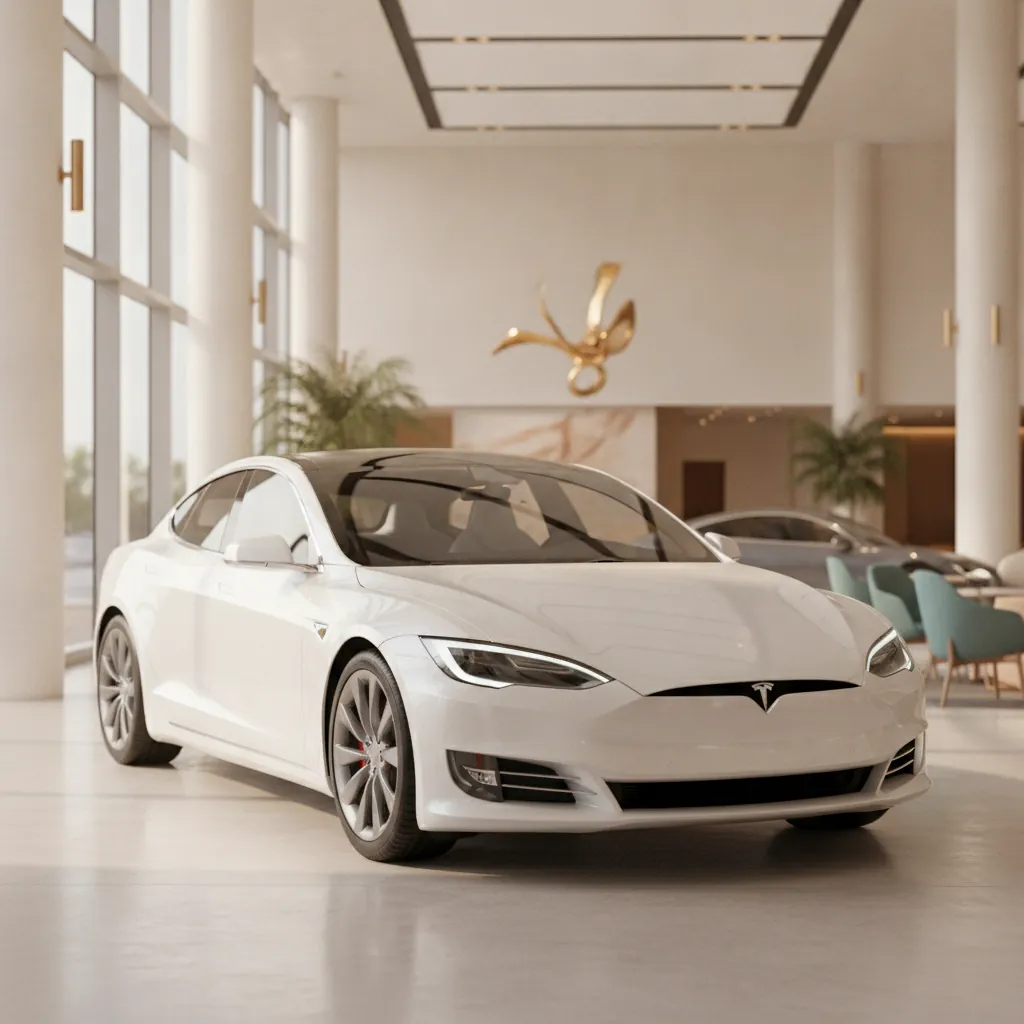
Tesla vehicle at a California service center, representing The Lemon Pros Tesla lemon law help

Helping California Tesla owners hold manufacturers accountable for defects.

Common Tesla Defects Covered by California Lemon Law

Tesla vehicles present a unique set of defect patterns that differ significantly from traditional gasoline-powered cars. Understanding these common issues can help you determine whether your Tesla qualifies as a lemon under California law.

Phantom Braking: One of the most widely reported and dangerous Tesla defects is phantom braking, where the vehicle's automatic emergency braking system activates without cause, often at highway speeds. This terrifying and potentially life-threatening issue has been the subject of NHTSA investigations and is a strong basis for a lemon law claim due to its direct impact on vehicle safety.

Touchscreen and MCU Failures: Tesla vehicles rely on a central touchscreen for nearly all vehicle controls, including climate, navigation, cameras, and even windshield wiper speed. When the Media Control Unit fails, owners lose access to critical vehicle functions. Tesla has issued recalls related to MCU failures, and repeated touchscreen malfunctions are a well-documented basis for lemon law claims.

Panel Gaps and Body Alignment Issues: Tesla's manufacturing quality has been widely criticized for inconsistent panel gaps, misaligned doors, trunk lids and hoods, and uneven paint application. While individual cosmetic issues may not rise to lemon law status, pervasive body alignment problems that allow water intrusion, create excessive wind noise, or affect the structural integrity of the vehicle can constitute substantial defects.

Suspension Problems: Multiple Tesla models have experienced premature suspension component failures, including control arm bushings, ball joints, and air suspension components on the Model S and Model X. Clunking noises, uneven tire wear, and compromised handling are common symptoms that represent safety concerns qualifying for lemon law protection.

Battery and Charging Defects: Some Tesla owners have experienced significant range degradation well beyond normal battery capacity loss, inability to charge to full capacity, charging port malfunctions, and in rare cases, battery pack failures. Given that the battery is the most expensive component of an electric vehicle, these defects substantially impact the vehicle's value and usability.

Autopilot and Full Self-Driving Malfunctions: Beyond phantom braking, Tesla's driver assistance features have been reported to malfunction in various ways, including failure to detect lane markings, inappropriate speed adjustments, sudden steering inputs, and failure to recognize stopped vehicles or pedestrians. These safety-critical system failures are among the strongest grounds for a lemon law claim.

Drive Unit and Motor Issues: Tesla drive units have been reported to produce grinding or whining noises, vibrations, and in some cases, complete failure requiring replacement. Repeated drive unit replacements are a clear indicator that the vehicle may be a lemon.

Water Leaks and Weatherproofing Failures: Tesla owners have reported water intrusion into the cabin through door seals, trunk seals, windshield seams, and tail light housings. Water leaks can damage electronic components, create mold growth, and cause persistent musty odors that are extremely difficult to eliminate permanently.

How the California Lemon Law Applies to Your Tesla

California's Song-Beverly Consumer Warranty Act applies to Tesla vehicles just as it does to any other manufacturer's vehicles sold with a warranty in the state. However, Tesla's unique business model as a direct-to-consumer manufacturer without traditional dealerships creates some distinctions worth understanding.

To qualify for lemon law protection, your Tesla must have a substantial defect that impairs its use, value, or safety. Given that Tesla vehicles rely heavily on software and electronic systems for basic operation, defects that might seem minor in a traditional vehicle, such as a touchscreen malfunction, can be considered substantial in a Tesla because they affect access to essential vehicle controls.

Tesla must be given a reasonable number of repair attempts to fix the problem. For safety defects like phantom braking, as few as two repair attempts may be sufficient. For other substantial defects, four or more attempts is generally considered reasonable. If your Tesla has been out of service for a cumulative total of 30 or more days for warranty repairs, it may also qualify regardless of the number of individual repair attempts.

The defect must have originated during the warranty period . Tesla's new vehicle limited warranty covers the vehicle for 4 years or 50,000 miles, while the battery and drive unit warranty extends to 8 years with varying mileage limits depending on the model. Defects related to the battery or drive unit may therefore be claimed for a longer period than other vehicle defects.

One important note for Tesla owners: because Tesla performs repairs at its own service centers rather than independent dealerships, all repair documentation comes directly from Tesla. This can actually simplify the documentation process for your lemon law claim, as there is a single source for all repair records.

Think Your Tesla May Be a Lemon?

Get a free case evaluation from California's top-rated lemon law attorneys. No fees unless we win.

Free Case Review Call (855) 659-1784

What Compensation Can You Get for a Defective Tesla?

California lemon law provides Tesla owners with meaningful remedies when their vehicle qualifies as a lemon. The available compensation options are designed to make you whole after your experience with a defective vehicle.

Full Vehicle Buyback: Tesla must repurchase your vehicle and refund the entire purchase price, including your down payment, all monthly payments, registration fees, taxes, and incidental expenses such as towing and alternative transportation costs. A reasonable mileage offset based on the miles driven before the first repair attempt is deducted. Given Tesla's higher price points, buyback amounts are often substantial.

Vehicle Replacement: You may choose to receive a new Tesla of the same model and comparable equipment level as a replacement for your defective vehicle. Tesla bears the full cost of this replacement.

Cash-and-Keep Settlement: Some Tesla owners prefer to keep their vehicle and receive a cash payment that reflects the diminished value caused by the ongoing defects. This option is sometimes preferred when the defect is manageable or when the owner has made significant customizations to the vehicle.

Civil Penalty for Willful Violations (Up to 2x Damages): If Tesla willfully fails to comply with California lemon law by refusing to repurchase a qualifying vehicle or by unreasonably delaying the process, the court may award a civil penalty of up to two times your actual damages. This provision is particularly relevant given Tesla's documented history of aggressively contesting lemon law claims.

Attorney Fees Paid by Tesla: California law requires the manufacturer to pay your attorney fees and costs when you win your lemon law case. This means hiring The Lemon Pros costs you nothing, Tesla pays our fees when we successfully resolve your claim.

Tesla Models with the Most Lemon Law Claims

Every Tesla model has generated lemon law claims in California, but certain models and model years have proven especially problematic based on production quality variations and design issues.

Tesla Model 3: As Tesla's highest-volume vehicle, the Model 3 accounts for a large share of lemon law claims. Common defects include phantom braking, touchscreen failures, panel gap issues, suspension noise, paint defects, and window seal leaks. Early production Model 3 vehicles from the Fremont factory have been particularly prone to build quality issues.

Tesla Model Y: The Model Y shares much of its platform with the Model 3 and inherits many of the same defect patterns, along with additional issues related to its liftgate alignment, rear seat latching mechanisms, and heat pump failures in cold weather. Roof glass that detaches while driving has also been reported in rare but alarming incidents.

Tesla Model S: The flagship Model S has experienced drive unit failures, air suspension malfunctions, door handle mechanisms that fail to present or retract, MCU failures requiring replacement, and persistent rattles from the falcon-wing-style dashboard. Older Model S vehicles with the original MCU1 were subject to a recall for memory chip failures that caused touchscreen blackouts.

Tesla Model X: The Model X's distinctive falcon-wing doors are a frequent source of lemon law claims, as they are prone to sensor malfunctions, misalignment, water leaks, and failure to open or close properly. Additional common defects include air suspension failures, windshield cracking, and HVAC system problems.

Tesla Cybertruck: Tesla's newest vehicle has already generated lemon law claims related to panel fitment issues, stuck accelerator pedals (subject to recall), windshield wiper motor failures, and various electronic system glitches common to first-year production vehicles.

Why Choose The Lemon Pros for Your Tesla Lemon Law Case?

Tesla lemon law cases require attorneys who understand both California consumer protection law and the unique technology that makes Tesla vehicles different from traditional cars. The Lemon Pros bring the expertise and determination needed to take on Tesla and win.

Thousands of Cases Successfully Handled: The Lemon Pros have represented thousands of consumers in California lemon law cases, including a growing number of Tesla owners. Our track record speaks for itself, we know how to get results against even the most aggressive manufacturers.

No Win, No Fee, Ever: You will never pay a single dollar out of pocket to hire The Lemon Pros. We work on a contingency basis, and California law requires Tesla to pay our attorney fees when we win. There is zero financial risk to you.

Deep Understanding of Tesla Technology: Our legal team stays current on Tesla's evolving technology, known defect patterns, software update history, NHTSA investigations, and recall campaigns. This technical knowledge is essential for building a strong lemon law case against a company that often blames software updates or driver error for documented vehicle defects.

Aggressive Advocacy Against Tesla: Tesla has a reputation for contesting lemon law claims more aggressively than many traditional manufacturers. The Lemon Pros are not intimidated by Tesla's legal tactics and will fight tenaciously to protect your rights and secure the compensation you deserve.

Streamlined, Stress-Free Experience: From gathering your Tesla service records to negotiating with Tesla's legal team, we handle every detail of your case so you can focus on what matters most in your life.

How Specific Tesla Systems Turn Into a Song-Beverly Claim

A lemon law case is not built on the brand name on the trunk. It is built on which system failed, how many times Tesla tried to fix it, and whether the problem still hurts how you use, value, or drive the car. With a Tesla the failure usually traces back to one of a few areas, and each one maps onto the Song-Beverly Consumer Warranty Act differently.

Start with the drive unit and high-voltage side. The motor, the inverter, the charging hardware, and the battery pack are the parts that make a Tesla a Tesla, and they are also the parts that cost the most to replace. A drive unit that whines, shudders, or gets swapped twice is the kind of repeat failure courts look at closely. Range that drops well past normal degradation, a charge port that will not seat, or a pack that throws errors and limits power all point at the same thing: a defect in the most expensive component of the car. Because Song-Beverly counts repair attempts on a substantial defect, a second or third visit for the same drive-unit fault starts to build the four-attempt picture the statute uses as a guideline.

Then there is the electrical and screen side, which behaves differently in a Tesla than in a gas car. When the center display goes dark, you can lose your climate, your defroster, your backup camera, your wipers, and your speed readout in one shot. A blank screen in most cars is an annoyance. In a Tesla it can take out controls that affect safety, which is exactly what pushes a touchscreen or Media Control Unit failure over the line into a substantial defect. Bugs that survive an over-the-air update belong in the same bucket, and they still count as repair attempts even though nobody lifted a wrench.

The third group is the driver-assistance and braking behavior. Phantom braking, where the car hits the brakes on an open road for no reason, is a safety defect. So is a steering input you did not ask for or an Autopilot fault that misreads the lane. Song-Beverly treats safety defects more strictly: a guideline of as few as two repair attempts can be enough when the problem could hurt someone. That lower bar is why braking and steering complaints carry the most weight in a Tesla file.

Body, sealing, and structure round out the list. Panel misalignment by itself is cosmetic, but a gap that lets water into the cabin, soaks the carpet, and reaches the electronics underneath is a different story. Water that pools around high-voltage components or breeds a smell you cannot get rid of can rise to a substantial defect, and a separate path applies if those repairs keep the car at the service center for a cumulative thirty days. Thirty days out of service can qualify a Tesla on its own, no matter how the visits were spread out.

How Tesla's Factory Warranty Shapes the Window

Two warranties decide whether your defect is still inside the lines. The New Vehicle Limited Warranty runs four years or fifty thousand miles, whichever comes first, and it covers the bulk of the car. The battery and drive unit get a separate, longer warranty, generally eight years with a mileage cap that changes by model. The rule that matters under Song-Beverly is that the defect has to first show up while the car is still under warranty. You do not have to settle or file before the warranty clock runs out; you just have to be able to point to the failure starting inside the covered period.

That split is why the battery and drive-unit coverage is worth knowing about. The two failures that empty a wallet, a dead pack and a bad motor, stay protected for years after the bumper-to-bumper warranty has ended. A Tesla owner who notices range loss or a motor fault at year six is not automatically out of luck the way a gas-car owner with an out-of-warranty engine would be. The longer high-voltage coverage keeps the door open.

Tesla's setup adds one more wrinkle. Tesla sells direct and does its own service, so there is no independent dealership in the middle. Every repair order, mobile-service note, and invoice comes from Tesla itself. That can actually work in your favor, because the entire paper trail lives in one place instead of being scattered across franchised dealers. If you bought your Tesla used and it still carried factory warranty, the used-car side of the lemon law can apply to you as well.

What to Document, and What You Can Recover

The strongest Tesla claims are the well-papered ones. Get a written repair order on every visit, including mobile service, and make sure it records the symptom in your own words instead of a flat could-not-reproduce. Track the dates the car sits at the service center so you can add up the thirty-day total. Hold onto the purchase contract, the registration, and any message thread with Tesla about the problem. Log software updates that were meant to fix the defect, because those count as attempts too. If Tesla floats an early goodwill offer, talk to a lawyer before you sign, since those first numbers usually fall short of a real buyback.

When the case lands, Song-Beverly gives you a few ways out. A buyback has Tesla refund your down payment, your monthly payments, taxes, registration, and incidental costs like towing, minus a mileage offset for the use you got before the first repair attempt. A replacement swaps your car for a comparable Tesla of the same model and trim. A cash-and-keep settlement lets you hold onto the car and take a payment for the lost value. You can estimate a buyback figure before you ever call, then check it against what the numbers should look like.

If Tesla willfully refuses a valid claim, the court can stack on a civil penalty of up to two times your damages. And because the statute shifts fees onto the manufacturer, Tesla pays your attorney costs when you win, so the representation costs you nothing up front. Used-Tesla coverage narrowed after the 2024 Rodriguez v. FCA ruling, so a Tesla bought used with only the remaining balance of the factory warranty generally no longer qualifies for a buyback or replacement, though a certified pre-owned Tesla sold with its own new warranty still can, and used buyers may still recover damages and attorney fees. If you want the wider picture, our practice areas walk through how these same rules play out across other vehicles.

Tesla Lemon Law Questions, Answered

It can. The Song-Beverly Consumer Warranty Act covers any new vehicle sold with a manufacturer warranty in California, and Teslas are no exception. The test is whether your Tesla has a substantial defect that the manufacturer has not fixed after a reasonable number of repair attempts, and whether that defect hurts the use, value, or safety of the car. A recurring touchscreen failure that disables your climate controls, defroster, or backup camera can count as substantial in a Tesla even though it would seem minor in a gas car, because so many core functions route through that one screen.
California does not set a hard number, but courts use guidelines. For a safety defect such as phantom braking or a steering or brake fault, as few as two repair attempts can be enough. For other substantial defects, four or more attempts is the usual benchmark. There is also a separate path: if your Tesla has been out of service at the service center for a cumulative 30 days or more for warranty repairs, it can qualify regardless of how many individual visits that took. Keep every service invoice and mobile service record, since Tesla generates all of them and they become your paper trail.
The patterns split into a few buckets. Driver-assistance and braking issues like phantom braking and Autopilot faults are safety defects and carry the most weight. Electrical and software problems are common too: Media Control Unit failures, touchscreen blackouts, and bugs that survive over-the-air updates. Then there are the drive-unit and high-voltage issues, including motor noise, charging port faults, and battery range loss beyond normal degradation. Body and sealing complaints such as panel misalignment and water intrusion can also qualify when they let in water or affect how the vehicle holds together.
Two warranties matter. The New Vehicle Limited Warranty runs 4 years or 50,000 miles and covers most of the car. The battery and drive unit get a longer separate warranty, generally 8 years with a mileage cap that varies by model. The defect has to first appear during the warranty period, but you do not have to file before the warranty ends. That longer battery and drive unit coverage matters because the most expensive Tesla failures, the pack and the motor, stay protected well past the bumper-to-bumper window.
Document everything and stop accepting verbal fixes. Ask for a written repair order every single visit, even for mobile service, and make sure the order describes the symptom in your words, not just could-not-reproduce. Note the dates the car is in the shop so you can track the 30-day total. Keep your purchase contract, registration, and any communication with Tesla. Software updates that are supposed to fix a defect still count as repair attempts, so log those too. Then talk to a lemon law attorney before you accept any goodwill offer from Tesla, since early offers often fall short of a full buyback.
California gives you real remedies. You can demand a buyback, where Tesla refunds your down payment, monthly payments, taxes, registration, and incidental costs like towing, minus a mileage offset for use before the first repair. You can take a replacement Tesla of comparable model and trim instead. Some owners choose a cash-and-keep settlement and hold onto the car. If Tesla willfully refuses to honor a valid claim, the court can add a civil penalty of up to two times your damages. And because the statute shifts fees to the manufacturer, Tesla pays your attorney costs when you win, so the case costs you nothing out of pocket. California's used-car rules changed after the 2024 Rodriguez v. FCA decision: a Tesla bought used with only the balance of the factory warranty generally no longer qualifies for a buyback or replacement, a certified pre-owned Tesla with its own new warranty may still qualify, and used buyers can often still recover damages and attorney fees. We review used-Tesla claims to see which remedies apply.

4.7 from 97 Google reviews

Read our Google reviews
C

Carlos Maldonado

a week ago

The Lemon pros Worked with me During a time, I’m in my life, where I was going through a lot of transitions. They were professional, and very patient as I was not always disposable or able to find paperwork for my claim. It was not overnight, but when the day came for The Lemon pros to negotiate my settlement, It was a glorious outcome. I Told the Lemon pros get me at least $10,000 and I’ll be Happy, And what did they do? They hit the ball out of the park!!!! and got me a settlement of $17,500!!!! And I got The Check without amount to prove it!!! Thanks, Lemon pros!!!!!

M

Merooge Keshishian

4 months ago

I highly recommend The Lemon Pros to any Tesla owner with a lemon. They are experts in Tesla cases and truly fight for their clients' rights. I also thank the team (Tony, Sella, Zulma) for their incredible work on my lemon law case. The team was incredibly responsive, kept me updated every step of the way, and made the entire process smooth and stress-free. They handled all communication with Tesla, freeing me from the frustration.

L

Lauren Tucay

6 months ago

I had an excellent experience with The Lemon Pros, specifically Tony and Suzy B. Both were incredibly helpful throughout the entire process and always kept me well-informed. They made everything smooth and stress-free, which I truly appreciated. Their professionalism, communication, and care really stand out. I highly recommend their services to anyone in need of support with a lemon law case.

R

Robert A. Ruiz, III

6 months ago

I couldn’t be more grateful for the outstanding team at The Lemon Pros. Their team was fantastic from start to finish, always responsive, professional, and committed to keeping me informed every step of the way. Their follow-through was exceptional and their determination truly made a difference in achieving a positive outcome in my case. I’m so glad I chose them to represent me and I highly recommend their services to anyone seeking a dedicated and reliable team.

Don't Let a Defective Car
Cost You Another Day.

Every day you wait is a day the manufacturer wins. Take 60 seconds to find out if your vehicle qualifies, it's free, confidential, and could change everything.