California Honda Lemon Law Attorney

Honda is one of the most popular brands on California roads, but even well-known reliability cannot prevent serious defects. If your Honda has persistent problems the dealer cannot fix, California's Lemon Law protects your right to a remedy.

Think Your Car Might Be a Lemon?

Find out in 60 seconds. Free case review, no upfront cost, and you only pay if we win.

Your Honda Lemon Law Rights at a Glance

A Honda qualifies as a lemon in California when a warranty defect keeps coming back after the dealer has had a fair chance to fix it. If your car still has the same unresolved problem, you may be owed a buyback, a replacement, or a cash payment under the Song-Beverly Act.

Who Qualifies

any California owner or lessee whose Honda has a substantial defect covered by the factory warranty that the dealer has not repaired.

Repair Thresholds

roughly four attempts for the same defect, two attempts for a safety defect that could cause serious injury, or 30 or more cumulative days out of service for warranty work.

What You Can Recover

a buyback that refunds your payments minus a mileage offset, a comparable replacement Honda, or a cash-and-keep settlement for diminished value.

Cost to You

nothing up front, and no fee unless you win, because Song-Beverly shifts your attorney fees onto Honda when you prevail.

Good to Know

CVT shudder and hesitation and 1.5L turbo oil dilution are the recurring complaints we see on Honda repair orders, often dismissed by dealers as normal until the paper trail says otherwise.

Why Honda Vehicles May Qualify as Lemons

Honda has faced a growing number of quality complaints in recent model years, particularly with certain drivetrains and vehicle systems. These are not minor inconveniences but serious defects that can compromise safety and reliability.

CVT transmission issues including shuddering, hesitation, jerking during acceleration, and premature failure

Engine oil dilution problems particularly in the CR-V and Civic with the 1.5L turbo engine, where fuel mixes with engine oil

Infotainment system malfunctions including touchscreen freezing, Bluetooth connectivity failures, and random reboots

AC compressor failures causing loss of air conditioning, often requiring expensive replacements

Brake system issues including premature brake wear, vibration during braking, and uneven pad degradation

These issues commonly affect the CR-V, Civic, Accord, HR-V, Pilot, Odyssey, and Passport. If your Honda has been to the service center multiple times for the same unresolved defect, it may qualify as a lemon.

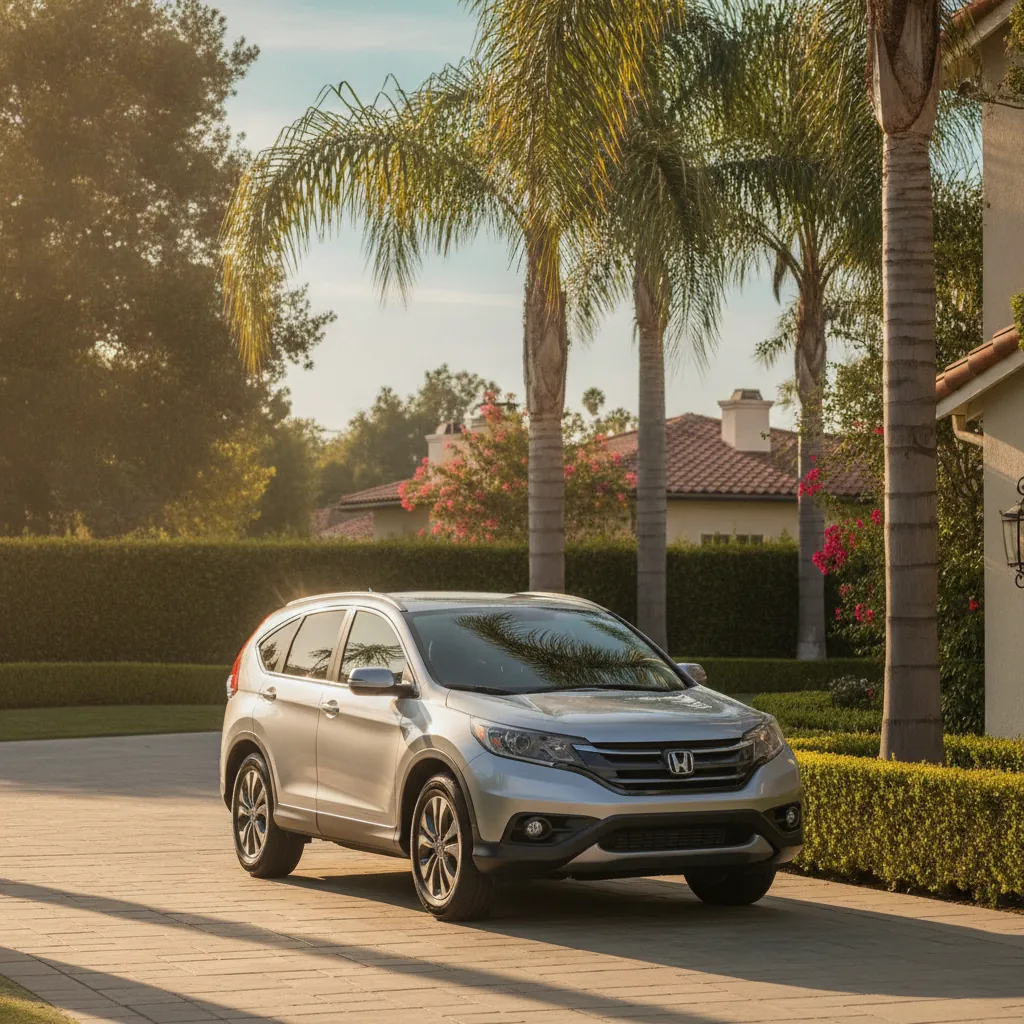
Honda vehicle at a California service center, representing The Lemon Pros Honda lemon law help

Helping California Honda owners hold manufacturers accountable for defects.

Think Your Honda May Be a Lemon?

Get a free case evaluation from California's top-rated lemon law attorneys. No fees unless we win.

Free Case Review Call (855) 659-1784

What You Can Recover in a Honda Lemon Law Case

California's Song-Beverly Consumer Warranty Act ensures that Honda owners are not left footing the bill for a defective vehicle. When Honda fails to repair your car, you are entitled to significant relief.

Full Vehicle Buyback

Honda may be required to repurchase your vehicle, returning your down payment, all monthly payments, taxes, registration, and incidental costs. You get your money back and walk away from the defective vehicle.

Vehicle Replacement

You may choose a new Honda of comparable value as a replacement. If you chose the CR-V for its versatility or the Pilot for family road trips, a replacement puts you in a vehicle that actually works.

Cash Settlement

A cash-and-keep arrangement lets you receive a meaningful payout while keeping the vehicle. This option is popular when the defect is manageable but Honda still failed to meet its warranty repair obligations.

Under California law, Honda must pay your attorney fees when you prevail. Our legal services cost you nothing.

Why Choose The Lemon Pros for Your Honda Case

Honda's legal team is experienced at defending lemon law claims, often arguing that reported issues fall within normal operating parameters or that the defect was caused by the owner. We know these arguments because we defeat them regularly.

The Lemon Pros have deep expertise in Honda's specific defects, particularly the well-documented oil dilution issues in the 1.5L turbo engine and CVT transmission problems. We know how to gather the right evidence, present technical information clearly, and push Honda to fair settlements.

Whether you are in Sacramento, Los Angeles, the Bay Area, or anywhere else in California, we are ready to take your case. Start with a free, no-obligation evaluation today.

Where Honda Trouble Tends to Cluster

Honda built its name on engines that run for two hundred thousand miles, which is exactly why a Honda that breaks down feels like a betrayal. The reliability reputation cuts both ways inside a lemon claim. A dealer service writer is more likely to wave off a complaint on a brand that "does not have problems," and an owner is more likely to give the car the benefit of the doubt for one repair visit too many. California's Song-Beverly Consumer Warranty Act does not care about a brand's reputation. It looks at one car, one repair history, and one question: did the manufacturer get a fair chance to fix the defect and fail.

Where Honda trouble tends to cluster is worth knowing before you decide whether your repair visits add up to something. The drivetrain is the usual starting point. The continuously variable transmission, which Honda leans on across much of its lineup, generates the complaints we hear most often: a shudder at low speed, a hesitation when you ask for power, a jerk on acceleration that the dealer calls "a characteristic of the CVT" rather than a defect. The 1.5-liter turbocharged four-cylinder is the other recurring name, because of oil dilution, where unburned fuel seeps past the rings and thins the engine oil. Owners in cooler climates and short-trip driving notice it first: a rising oil level on the dipstick and a fuel smell in the cabin. Neither problem announces itself with a single dramatic failure, which is part of why they drag on across multiple service appointments.

The electronics are the newer frontier. Infotainment screens that freeze, reboot on their own, or drop a paired phone mid-call are easy for a dealer to label a software quirk and hard for an owner to prove on a test drive. Air conditioning compressor failures and uneven brake wear round out the systems we see named on Honda repair orders. None of this is a verdict on any specific model year, and we do not need it to be. What matters under the statute is whether your particular car has a substantial defect that the dealer has not resolved, not whether the problem is common across the fleet. If your repair history points the same direction, the buyback calculator can give you a rough sense of what a claim might be worth.

How Your Honda Warranty Ties to the Claim, and What to Keep

How the factory warranty fits in is the part owners most often get wrong. A new Honda typically carries a three-year, thirty-six-thousand-mile limited warranty and a five-year, sixty-thousand-mile powertrain warranty. The lemon law lives inside that coverage. What the Song-Beverly Act asks is not whether the warranty is still active on the day you call a lawyer, but whether you reported the defect and brought the car in for repairs while the coverage was in force. A transmission complaint logged at twenty-eight thousand miles still counts long after the odometer rolls past thirty-six thousand. The reporting date is what freezes the clock, which is why owners who keep quiet and hope the problem clears up tend to weaken a claim they did not know they had.

That makes documentation the whole game. Every time the car goes to an authorized Honda dealer, the repair order is evidence, so read it before you leave. The service writer should put your exact words on the line item, the shuddering or the fuel smell or the frozen screen, not a sanitized one-line summary. Keep the invoices that say "no problem found" or "could not duplicate," because under California law a failed attempt is still an attempt, and a string of them tells the story. Note the dates the car sat at the dealership, since thirty or more cumulative days out of service for warranty work is its own path to qualifying, separate from the repair-attempt count. A guideline of roughly four tries for the same defect, or two tries for a problem that could cause serious injury, is what the statute treats as a reasonable opportunity to repair.

If you bought the car used, your records still matter just as much. Coverage for used Hondas follows a different set of rules that we break down on our page for the used-car lemon law, and the sale paperwork is where it starts.

What the Song-Beverly Act Puts on the Table

When the repair history adds up, California gives an owner a defined set of remedies rather than a single payout. The statute contemplates a buyback, in which Honda repurchases the car and returns the down payment, the monthly payments made, taxes, registration, and related charges, reduced by a mileage offset for the use you got out of the car before the defect first showed up. It contemplates a replacement with a comparable new Honda. It also leaves room for a cash settlement that lets an owner keep the car and recover for its diminished value. Which path fits depends on the car, the defect, and what the owner wants, and the manufacturer does not get to dictate the choice unilaterally.

The statute also shifts attorney fees and costs to the manufacturer when a consumer prevails, which is the mechanism that lets owners pursue these claims without paying out of pocket. Used Honda buyers should know that the rules changed in 2024. After the California Supreme Court decided Rodriguez v. FCA, a used Honda sold with nothing more than the remaining balance of the original factory warranty generally no longer qualifies for a buyback or replacement under the lemon law. A certified pre-owned Honda that came with its own new warranty can still qualify. Even when the full refund-or-replace remedy is gone, an owner can often still recover money damages and attorney fees, and restoration legislation aimed at used-car buyers is being drafted but has not passed. The specifics turn on how and when the car was bought and what warranty came attached, so the paperwork from the sale is the fastest way to see where an owner stands.

For the broader rules behind all of this, see our overview of how we handle lemon law cases, or read more answers to common lemon law questions.

Honda Lemon Law Questions, Answered

Your Honda may qualify if a defect covered by the factory warranty keeps coming back after a reasonable number of repair attempts. California's Song-Beverly Act treats roughly four tries for the same problem, or two tries for a defect that could cause serious injury or death, as a reasonable opportunity for Honda to fix it. A car that sits at the dealership for 30 or more cumulative days for warranty work can also qualify. The defect has to substantially affect the use, value, or safety of the vehicle, so a rattling cup holder will not cut it, but a CVT that shudders and hesitates will.

The patterns we see fall into a few buckets. Transmission complaints lead the list, especially CVT shuddering, hesitation, and jerking on acceleration. Powertrain issues like oil dilution in the 1.5L turbo, where fuel works its way into the engine oil, show up often in the CR-V and Civic. Electrical and infotainment gremlins are another big one: touchscreens that freeze or reboot, Bluetooth that drops, and warning lights that come and go. We also see AC compressor failures and brake problems. Any of these can support a claim if the dealer cannot make the fix stick.

Most new Hondas come with a 3-year/36,000-mile limited warranty and a 5-year/60,000-mile powertrain warranty. The lemon law applies while the defect is covered by that warranty, which is why timing matters. You do not need the warranty to still be active today; what counts is that you reported the problem and brought the car in for repairs while coverage was in force. Keep every repair order, because those dated invoices are the backbone of a Song-Beverly claim.

Bring it back to an authorized Honda dealer each time, and make sure the service writer documents your exact complaint on the repair order, not a vague summary. Save every invoice, even the ones that say 'no problem found,' because those still count as attempts. Note the dates the car was out of service. Once you have a repair history showing the same unresolved defect, you have the paper trail a lemon claim runs on. You do not have to keep accepting "we could not duplicate it" as an answer.

California gives you three main paths. A buyback means Honda repurchases the car and refunds your down payment, monthly payments, taxes, registration, and related costs, minus a small offset for the miles you drove before the trouble started. A replacement puts you in a comparable new Honda. A cash-and-keep settlement lets you hold onto the car and take a payment for the diminished value. On top of that, the Song-Beverly Act shifts your attorney fees and costs onto Honda when you win, so handling a claim does not come out of your pocket.

It depends on the warranty the car came with. Since the 2024 Rodriguez v. FCA ruling, a used Honda sold with only the remaining balance of the original factory warranty generally no longer qualifies for a buyback or replacement under the lemon law. A certified pre-owned Honda that came with its own new warranty can still qualify. And even where a refund or replacement is not available, used-car owners can frequently still recover money damages and attorney fees, so your sale paperwork is the fastest way to see which remedies are open to you.

4.7 from 97 Google reviews

Read our Google reviews
C

Carlos Maldonado

a week ago

The Lemon pros Worked with me During a time, I’m in my life, where I was going through a lot of transitions. They were professional, and very patient as I was not always disposable or able to find paperwork for my claim. It was not overnight, but when the day came for The Lemon pros to negotiate my settlement, It was a glorious outcome. I Told the Lemon pros get me at least $10,000 and I’ll be Happy, And what did they do? They hit the ball out of the park!!!! and got me a settlement of $17,500!!!! And I got The Check without amount to prove it!!! Thanks, Lemon pros!!!!!

M

Merooge Keshishian

4 months ago

I highly recommend The Lemon Pros to any Tesla owner with a lemon. They are experts in Tesla cases and truly fight for their clients' rights. I also thank the team (Tony, Sella, Zulma) for their incredible work on my lemon law case. The team was incredibly responsive, kept me updated every step of the way, and made the entire process smooth and stress-free. They handled all communication with Tesla, freeing me from the frustration.

L

Lauren Tucay

6 months ago

I had an excellent experience with The Lemon Pros, specifically Tony and Suzy B. Both were incredibly helpful throughout the entire process and always kept me well-informed. They made everything smooth and stress-free, which I truly appreciated. Their professionalism, communication, and care really stand out. I highly recommend their services to anyone in need of support with a lemon law case.

R

Robert A. Ruiz, III

6 months ago

I couldn’t be more grateful for the outstanding team at The Lemon Pros. Their team was fantastic from start to finish, always responsive, professional, and committed to keeping me informed every step of the way. Their follow-through was exceptional and their determination truly made a difference in achieving a positive outcome in my case. I’m so glad I chose them to represent me and I highly recommend their services to anyone seeking a dedicated and reliable team.

Don't Let a Defective Car
Cost You Another Day.

Every day you wait is a day the manufacturer wins. Take 60 seconds to find out if your vehicle qualifies, it's free, confidential, and could change everything.