

Short answer
Which route you take depends on why the car is bad. A defect the manufacturer's warranty covers, which survives repeated repair attempts, is a lemon law claim. Something the dealer failed to disclose, such as prior accident damage, a branded title or an odometer discrepancy, is a fraud claim against the dealer. Both can be brought together.
There’s nothing quite as frustrating as buying a car from a dealership only to find out that it’s riddled with defects. Not only is your hard-earned money wasted, but now you have to spend your valuable time trying to get the manufacturer and car dealership to make it right. Lemon cars are usually new cars with recurring defects that substantially impair the value, use or safety.
If you are asking, "my dealership sold me a lemon" or "a dealership sold me a bad car, what can I do?" this post will guide you in the right direction. You need to know the right steps to take before you start working with the dealership. You must know what to do if the car dealer sold you a lemon, and the process starts with getting all your documentation together to file a Lemon Law claim.
The Lemon Pros have become experts in consumer protection laws and fight for the rights of drivers just like you. With our sole practice area focused on Lemon Law cases, we have the skills and know-how to get your settlement quickly. Get a free initial consultation today.
In this post, we will explain when cars qualify for Lemon Law cases and show you how to file a claim. Not only do we show you what options are available to you, but we also help you avoid buying a lemon car in the future with our top tips.
What is a Lemon Car?
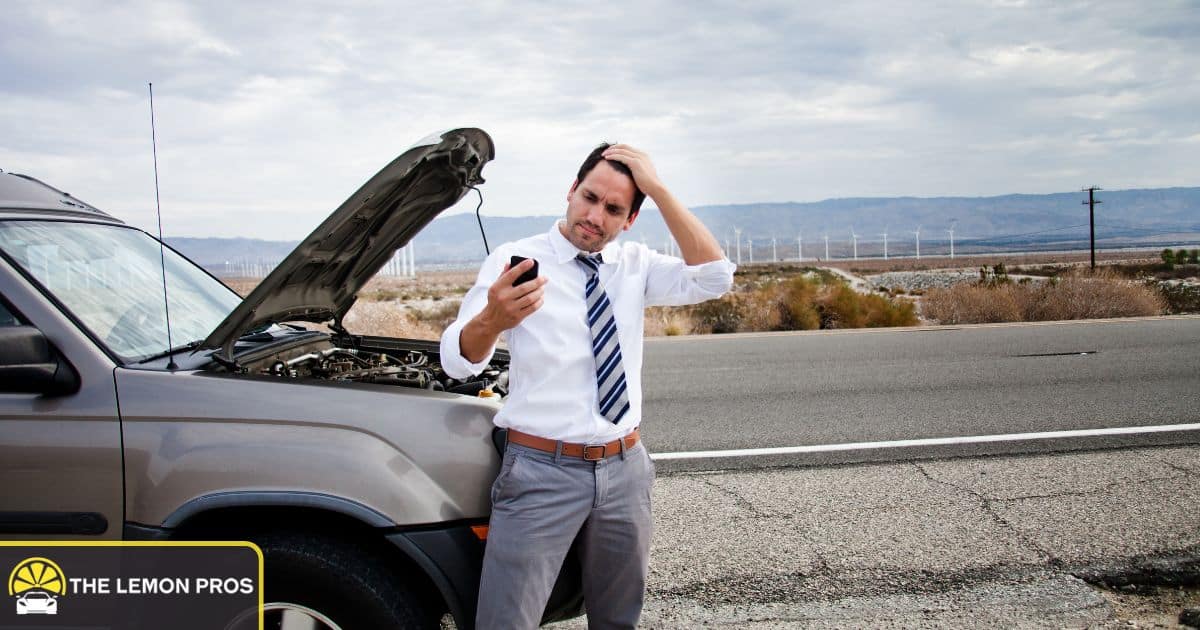
A lemon is a defective vehicle that cannot be repaired in a reasonable number of attempts. Its problem substantially impairs the use, value or safety of the vehicle, such as a faulty engine or malfunctioning airbags.
The lemon vehicle is still covered by the warranty. With a new car, it would be covered under the manufacturer’s warranty. A used car may also be covered if there is a warranty provided with it. However, new cars are only eligible if the defect begins within the first 18,000 miles or 18 months, whichever comes first.
With serious safety issues, you are required to let the dealership have a minimum of two repair attempts before filing a claim. All others require four repair attempts for the same problem. This reasonable allowance should never take more than thirty days total.
What Are Your Rights When a Dealership Sold You a Bad Car?
Your rights as a buyer rest on a small number of statutes and one core principle. A dealer cannot misrepresent a vehicle's condition, and most warranties cannot be waived simply by writing "as is" on the paperwork. The protections that apply to your situation depend on whether the car was sold as new or used, whether it came with any kind of written warranty, and what your state's consumer protection laws say about the transaction.
For new cars, every state's Lemon Law applies, and the manufacturer is responsible for repairing, replacing, or repurchasing a vehicle that cannot be fixed after reasonable attempts. For used cars in California, the Song-Beverly Consumer Warranty Act can apply in two situations. The first is when the used vehicle is sold with a new express warranty issued by the manufacturer or by a dealer at the time of sale. The second is when a dealer issues an express written warranty for a used vehicle, which triggers obligations under California Civil Code section 1795.5.
Following the California Supreme Court's October 2024 ruling in Rodriguez v. FCA US LLC, 17 Cal. 5th 189 (2024), a used vehicle sold with only the remaining manufacturer warranty is not considered a new motor vehicle. Buyers in that position cannot bring Song-Beverly buyback claims, but they may still pursue remedies under the Magnuson-Moss Warranty Act, the UCC implied warranty of merchantability, and the Consumer Legal Remedies Act.
The D.O.C.U.M.E.N.T. Method
After handling hundreds of defective vehicle claims, we have found that buyers who keep organized records from the very beginning are often in the strongest position when disputes arise. Lemon Law cases tend to be decided by the paper trail, not just the defect. Clients should begin the D.O.C.U.M.E.N.T. method as soon as they suspect their vehicle may qualify as a lemon.
- D - Document every defect.
- O - Organize repair invoices and communications.
- C - Contact the dealer and manufacturer.
- U - Understand your warranty coverage.
- M - Monitor repair attempts and downtime.
- E - Escalate unresolved issues in writing.
- N - Notify a Lemon Law attorney.
- T - Take legal action if repairs fail.
Following these steps establishes a paper trail that often determines whether a claim succeeds. "One of the biggest mistakes we see is buyers waiting too long to document their repair history," says Michael Saeedian. "Lack of paperwork is rarely a deal-breaker, but full records help claims move faster."
If you are ready to review your repair history with our Lemon Law attorneys, The Lemon Pros offer a free case evaluation for California drivers.
How to Identify if Your Car is a Lemon
Is your car a lemon? If you are struggling with major defects after purchasing or leasing the vehicle, you may be able to file a claim. Here are some signs that your car qualifies.
- Recurrent defects remaining unresolved after multiple repair attempts
- Defect affects the safety, value or use of the vehicle
- Warranty period is still in place (ex. written warranty, new car warranty, express warranty, etc.)
- New car has fewer than 18,000 miles on the odometer AND it has been less than 18 months since taking ownership
If you believe Lemon Law applies in your situation, it’s critical that you keep track of the problems. Document all the issues, record the repair attempts and file all service invoices. If there are any communications with the dealership, make note of those as well. You may also consider having a third-party mechanical inspection of the car to validate your claims.
Can A Used Car Be A Lemon?
We have helped consumers file for compensation for a used car in Lemon Law cases. The used car follows different regulations, but there are still times when compensation is possible. For example, you must buy the car from a qualified used car dealer. There’s no remedy if you choose to purchase from a private seller. The used car must also have warranty coverage and you must allow for a reasonable time for the problems to be worked out at an authorized repair shop.
How Do Lemon Laws Apply to Used Cars, and What Can You Do Next?
Used car buyers often face difficulty because state laws for used cars vary across jurisdictions. In California, the Song-Beverly Consumer Warranty Act may cover a used vehicle if it was sold with an original express warranty from the manufacturer or dealer. The 2024 decision in Rodriguez v. FCA US LLC determined that cars carrying only the balance of the factory warranty are not covered.
A used vehicle can still be eligible for a Lemon Law claim if it develops major problems that cannot be resolved during the warranty period. California's statutory presumption is often met after four repair attempts for the same defect, or two attempts for a defect likely to cause serious injury, although claims may succeed outside those benchmarks.
If traditional Lemon Law protections do not apply, you may seek remedies through the federal Magnuson-Moss Warranty Act, state consumer protection laws, or breach-of-warranty claims. Buyers should also know that an "as is" disclaimer must be clearly visible, and sellers who intentionally misrepresent odometers may be liable for up to $10,000 under federal law. If arbitration is required under your warranty, the arbitrator's award may also affect your next legal steps.
| Lemon Law Element | California (Song-Beverly Consumer Warranty Act) | Florida (Motor Vehicle Warranty Enforcement Act) |
|---|---|---|
| Coverage of Used Cars | Used-car coverage applies to vehicles sold with a new manufacturer or dealer express warranty, including some CPO vehicles. It does not apply when only the original manufacturer's warranty still has time remaining, following the Rodriguez decision. | To qualify, a vehicle must be new or a demonstrator, be covered by a qualifying warranty, have a substantial defect, and have undergone a reasonable number of repair attempts within the first 24 months of the Lemon Law rights period. |
| Eligibility Requirements | Vehicle must be covered by a qualifying warranty, have a substantial defect, and undergo a reasonable number of repair attempts. | Vehicle must be new or a demonstrator model and fall within the 24-month Lemon Law Rights Period. |
| Repair Attempt Presumption | Four repair attempts for the same defect. Two attempts if the defect could cause death or serious injury, or more than 30 cumulative days out of service within 18 months or 18,000 miles. | Three repair attempts for the same defect, or 30 cumulative days out of service within 24 months, followed by the required written notice and final repair opportunity. |
| Claim Process | Demand letter, manufacturer arbitration, then civil court if the dispute is unresolved. | Usually proceeds through manufacturer-sponsored arbitration, then the Florida New Motor Vehicle Arbitration Board, and finally civil court if unresolved. |
| Available Remedies | Replacement vehicle or buyback (refund), restitution, civil penalties for willful violations, and recovery of attorney's fees. | An arbitrator's award can provide a replacement or refund, and attorney fees may be recoverable under the statute. |
| Statute of Limitations | Four years for written warranty claims. | Four years for written warranty claims, though shorter administrative deadlines may apply. |
| Options if Lemon Law Does Not Apply | Consumers may pursue claims under the Magnuson-Moss Warranty Act, implied warranty protections, or the Consumer Legal Remedies Act. | Consumers may pursue claims under the Magnuson-Moss Warranty Act, implied warranties, or the Florida Deceptive and Unfair Trade Practices Act. |
California's Song-Beverly Act is among the most consumer-protective state lemon-law statutes in the country, particularly for used vehicles sold with a covered warranty. In most states, the Lemon Law applies only to new vehicles, so used-car buyers must rely on federal Magnuson-Moss and state deceptive-practices statutes.
What Are the Most Common Problems Reported by Buyers of Bad Used Cars?
Certain defects appear again and again in used-car disputes and often form the basis of Lemon Law or warranty claims. Buyers most often report transmission failures, and defective CVTs are among the most common and costly complaints. Multiple complaints, technical service bulletins, or class-action suits can show that a defect is not isolated.
Engine failures and electrical faults such as battery drain, infotainment outages, and ADAS glitches are also common. According to public NHTSA records, more than 28 million passenger vehicles were recalled in 2024, which shows how widespread vehicle defects can be.
Other recurring safety issues include brakes, cooling, and steering or suspension. Examining the complaint history shows whether an issue is widespread, and a defect reported by many owners carries more weight than a single failure. Widespread problems may lead to technical service bulletins, recalls, or other manufacturer actions that can support a claim under state Lemon Laws or the Magnuson-Moss Warranty Act.
My Dealership Sold Me a Lemon, Now What?

We have a few steps to take if your car is a lemon. By taking these steps in order, you ensure the best outcome possible from your claim.
1. Document the Issues
As previously discussed, the most critical step to take is to document everything you’ve experienced with the vehicle. You need to list the defects, when they started and the steps you’ve taken to have them repaired. For example, you could document the following: The car has a recurring issue with the brakes, making it difficult to stop quickly. From here you would write down every time the car has been in the shop for this complaint and the result of each visit.
In your detailed log, document the date and the name of anyone you worked with. Keep a copy of all the repair orders and receipts. Additionally, you’ll want documentation of every email, call or letter that occurred.
2. Notify the Dealership and Request Cash or Replacement
Once your vehicle qualifies, it’s time to send a formal demand letter to the dealership and manufacturer. This letter notifies them of the ongoing issue and asks for a resolution.
Because you don’t want to miss any filing deadlines, it’s essential to immediately notify the manufacturer as soon as the car qualifies. In the communication, include the car model, vehicle identification number, and the dealership where it was purchased/serviced. Make sure you include all of the repair history.
State in your letter that you understand your rights to a refund or replacement vehicle and you are willing to take legal action, if necessary. Your tone should remain professional and firm at all times, but not confrontational. Instead of using emotional language, stick to the facts and outline how your car qualifies for compensation. We recommend sending the letter by certified mail so there’s a record of receipt. You also want to keep a copy of the letter for your own records.
3. Know Your Rights
Because Lemon Laws differ by state, it’s important that you follow your local guidelines. In California, the Lemon Law is known as the Song-Beverly Consumer Warranty Act. It’s one of the most comprehensive laws in the country. Federally, there’s also protection through the Magnuson Moss Warranty Act.
If you live in a different state, you want to pay close attention to the following qualifications:
- Mileage or time limit for issues to start
- Time limit to file a claim
- Number of repair attempts required
- New vs. used car guidelines
If you are unsure whether or not your vehicle qualifies under Lemon Law, it’s best to speak with an expert attorney for more guidance.
4. Hire a Lemon Law Attorney
If the dealer refuses to cooperate with you or the issues continue to go unrepaired, it’s best to hire a Lemon Law attorney. Sometimes it takes the threat of legal action before the manufacturer and dealer want to seek a resolution.
A Lemon Law lawyer can help you navigate a satisfactory resolution, with either a refund or replacement vehicle. You may also consider hiring an attorney before the problem escalates to save some time and stress.
Because The Lemon Pros specialize in going up against the largest car manufacturers, you know we protect consumers and get them everything they deserve. We have the expertise needed to navigate your Lemon Law claim, negotiate with the manufacturer and represent you in court, if needed. Working with us helps you receive a higher settlement. Contact us today for a free case evaluation.
How a Typical Lemon Law Claim Can Unfold
Consider a California buyer who purchases a two-year-old certified pre-owned SUV with a factory-backed warranty. Within three months, the vehicle develops transmission problems that cause hesitation and sudden loss of power, requiring four repair visits and leaving the owner without the vehicle for more than 30 total days. After documenting the repair attempts and contacting the manufacturer, the owner files a Lemon Law claim, and the manufacturer agrees to buy back the SUV and reimburse fees, minus a mileage deduction. This example is illustrative only, and past results do not guarantee a similar outcome.
What Are Your Legal Options?

If your car qualifies, your lawyer is going to advise you to file a Lemon Law claim for compensation or a replacement. Once that’s done, you can expect several different outcomes or alternative legal resources.
Replacement Vehicle
If the manufacturer offers a replacement, it will be of equal value to what you are currently driving, except it won’t have the same defects. It will be the same model year and make with comparable features. You will have to turn in your existing vehicle during the exchange, and you could be liable for any other damages beyond the normal wear.
Refund
You may be due a full refund for the vehicle. Again, you will have to turn the car back into the dealership. At that time, a mileage offset value will be figured out taking into account the full purchase price minus the use you received from the vehicle before the defect started. You will receive the market value for the car, along with the money for your trade ins, sales tax, registration fees and other incidental costs.
Cash-and-Keep Settlement
Car buyers also have the option to get cash but keep the vehicle, known as the cash-and-keep settlement. This may be a good option for minor defects, especially if the dealership is willing to continue trying to repair the car. However, you will be liable to disclose the car’s lemon status when you go to sell it in the future, thereby reducing its value.
Lawsuit (Legal Action)
If a lemon claim isn’t viable, there are other reasons to sue a car dealership. You may be due compensation for a breach of warranty, fraud or other violations.
Filing with Consumer Protection Agencies (ex. BBB and National Consumer Law Center)
Either way, it’s important to file a complaint with several consumer protection agencies, especially if you want to warn others. You can leave a complaint with the Better Business Bureau (BBB) and the National Consumer Law Center. You may also want to file with the state’s Attorney General (Rob Bonta).
Can I Sue If My Dealership Sold Me a Lemon?
If you’ve been the victim of fraud, breach of a sales contract or you didn’t get the car warranty you were promised with your used vehicle, you may have the right to sue. While suing a car dealership may seem like an overwhelming task, a good lawyer is going to navigate the case for you. You may be able to get a replacement vehicle or a refund for your troubles, especially if you have the case well documented with the service contract, repair records and other proof of the problem.
How to Avoid Buying a Lemon Car?

Once you’ve been through the lemon process, you want to do everything possible to avoid these troubles in the future. You need to know how to avoid buying a lemon car.
To start, you want to buy from a reputable dealership. While you may like the deal you can get from a private sale, there’s no legal recourse when buying directly from the previous owner.
Next, you want to check the vehicle history report, either from CARFAX or AutoCheck. These reports will outline if the car has ever been in an accident, show the title status and give you access to service records, so you can make an informed decision.
Take your time to conduct a thorough inspection of the car. Look for any signs of damage, whether it reveals itself through uneven paint, frame damage or misalignment. Check the lights, windshield and tires for wear. Try out all of the features to ensure they work, such as the electronics, air conditioning and safety technology. You may also want to invest in an independent inspection of the car. While this check may cost a small amount of money, it could save you the headache of buying a lemon car.
Before you buy, check for any open manufacturing recalls. You can run a search for free through the NHTSA. If there are multiple recalls for the same part, it could indicate recurring issues that haven’t been resolved.
Finally, read through some online reviews about the car. You can reference sites such as Consumer Reports and Edmunds to see what other consumers think. If you notice a lot of similar complaints, it may be best to stay away from the car.
How Can You Buy a Car Safely After a Bad Dealership Experience?
Buying another car after a bad dealership experience is stressful, but you can still avoid problems by doing your own research before you buy. Before you sign the paperwork, get an independent inspection, even for certified pre-owned cars, because state laws for used cars vary across jurisdictions.
Verify the VIN against NHTSA recalls, ask for a vehicle-history report and a written warranty, and watch for any "as is" language before you sign. Confirm what warranty coverage comes with the vehicle and get those terms in writing. A manufacturer's warranty, certified pre-owned warranty, or dealer-issued express warranty can give you stronger protection if serious defects appear.
Even with careful planning, defects can still appear after the sale. If that happens, document all repair attempts and promptly notify the manufacturer or dealer in writing to protect your right to request a refund or replacement under the relevant Lemon Laws or your warranty.
What Should You Expect During the Lemon Law Process?

The Lemon Law process timeline can be anywhere from several months to a year, depending on the complexity of the case. If you have clear proof of the defect and lack of repairs from the dealership, your case should be easy to navigate, providing a faster resolution. On the other hand, if you don’t agree with the arbitrator’s decision or you want to take the case to court, the process may take longer than expected. A qualified lawyer will help you spot any potential pitfalls to mitigate delays.
You’ll want to know more about the attorney fees under California Lemon Law before getting legal help. To further protect consumer rights, we don’t charge any attorney fees until the case is won, so there’s nothing to spend out of pocket. Additionally, most dealerships and manufacturers are responsible for paying your legal fees if you win the case.
Frequently Asked Questions
Can I Sue a Dealership for Selling Me a Faulty Vehicle?
Yes, depending on the circumstances. You may have grounds for legal action if the dealership misrepresented the vehicle, concealed a known defect, failed to honor a warranty, or violated state consumer-protection laws, especially when you have documentation showing the dealer knew or should have known about the issue.
What Is the $3,000 Rule for Cars?
There is no national $3,000 rule, and people often confuse it with state repair limits or small-claims caps. In California, buyers have additional protections under specific consumer statutes.
Can I Get My Money Back If Someone Sold Me a Bad Car?
Whether you can get a refund depends on your warranty, your state's laws, and whether the seller knowingly lied about the car. In California, the Song-Beverly Act can require a repurchase, and federal or state consumer-protection laws may also apply.
What Is the 30-60-90 Rule for Cars?
The 30-60-90 rule is a maintenance schedule of basic service checks at about 30,000, 60,000, and 90,000 miles, not a legal requirement. Lemon Law cases turn on repair attempts, days out of service, and state eligibility periods.
Does the Lemon Law Apply to Used Cars?
Whether used cars fall under the Lemon Law depends on the state and whether the vehicle was sold with an eligible dealer or manufacturer warranty. Dealer-warranted used cars qualify in some states, such as California; elsewhere, consumers rely on federal warranty and consumer-protection laws.
What is the deadline for bringing a claim about a bad car?
In California you generally have four years from the point you knew or should have known you had a claim. The defect must have first appeared while the manufacturer's warranty was in force, though the warranty does not need to still be active when you file. Waiting makes repair records harder to collect.
What if the dealer sold the car as is?
An as-is sale limits warranty claims but does not license misrepresentation. Where the dealer knew about prior accident damage, a salvage title or an undisclosed defect and said otherwise, that is a fraud question rather than a warranty question, and the as-is language does not answer it.
Looking for a Lemon Law Attorney to Handle Your Case?
If your car is a lemon, you have rights and we are here to protect them. It’s time to take action and get everything you deserve for your troubles. By understanding the Lemon Laws, you ensure all of your rights are protected.
The Lemon Pros have the experience needed to get you out of the defective vehicle. We are experienced California Lemon Law attorneys who have secured millions of dollars in compensation. Contact us today for a free case evaluation.
Legal Disclaimer
The information above describes general patterns and is not legal advice for your specific situation. Past results do not guarantee future outcomes. Lemon Law remedies and qualifying criteria vary by state. Reading this article does not create an attorney-client relationship. Consult a licensed attorney to evaluate the facts of your case.

Michael Saeedian, Esq.
Founding PartnerMichael Saeedian, Esq. is a California Lemon Law attorney and a founding attorney of The Lemon Pros; he develops tailored strategies to pursue the full compensation you're owed.
View Attorney Profile →